
Opinion|Videos|July 23, 2026
New Data, New Directions: Bispecific Antibody Advances and CAR T-Cell Evidence in Relapsed/Refractory Multiple Myeloma
Fact checked by: Nicole Canfora Lupo
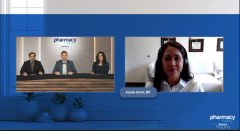
Zahra Mahmoudjafari, PharmD, MBA, BCOP, FHOPA, highlights key bispecific antibody updates from ASCO and EHA, including updated data from the MajesTEC-6 trial evaluating elranatamab plus daratumumab and lenalidomide in newly diagnosed patients, and the MajesTEC-5 data demonstrating high response rates and minimal residual disease negativity with teclistamab-based induction in transplant-eligible patients, as well as a growing trend toward less frequent dosing schedules to reduce treatment burden and infection risk, and increasing real-world evidence supporting outpatient step-up dosing administration at both academic and community sites.
Advertisement
Episodes in this series
In this episode, “New Data, New Directions: Bispecific Antibody Advances and CAR T-Cell Evidence in Relapsed/Refractory Multiple Myeloma,” the expert oncologists and oncology pharmacists explored the following questions:
Were there any important updates at this year's American Society of Clinical Oncology (ASCO) and European Hematology Association (EHA) conferences for bispecific antibodies that will impact your clinical practice?
Chimeric antigen receptor (CAR) T-cell therapy is another modality that can be used in patients with relapsed/refractory multiple myeloma (RRMM). What kind of evidence have these therapies revealed so far?
Zahra Mahmoudjafari, PharmD, MBA, BCOP, FHOPA, highlighted key bispecific antibody updates from ASCO and EHA, including updated data from the MajesTEC-6 trial evaluating elranatamab plus daratumumab and lenalidomide in newly diagnosed patients, and the MajesTEC-5 data demonstrating high response rates and minimal residual disease (MRD) negativity with teclistamab-based induction in transplant-eligible patients, as well as a growing trend toward less frequent dosing schedules to reduce treatment burden and infection risk, and increasing real-world evidence supporting outpatient step-up dosing administration at both academic and community sites. Al-Ola Abdallah, MD, then reviewed the CAR T-cell therapy evidence in RRMM, noting that idecabtagene vicleucel demonstrated a 73% response rate in heavily pretreated triple-refractory patients with a median progression-free survival exceeding 1 year in the KarMMa study, while ciltacabtagene autoleucel achieved a remarkable 97% response rate and a median progression-free survival of nearly 3 years, ultimately leading to approvals for both agents in earlier lines of therapy, given the recognition that patients treated sooner have better fitness and a wider window of eligibility for CAR T-cell therapy.
Throughout the conversation, the experts provided a comprehensive reflection on the field and the factors that may shape how clinicians approach care moving forward.
In the next episode, “Sequencing BCMA Therapies and Identifying the Right Patient: Treatment Selection and Access Considerations in Relapsed/Refractory Multiple Myeloma,” panelists continue their discussion on relapsed/refractory multiple myeloma and highlight how B-cell maturation antigen (BCMA)–targeted therapies should be sequenced, which patient factors inform treatment selection, how the absence of step-up dosing requirements affects the appeal of certain agents, and which patients are and are not appropriate candidates for belantamab mafodotin.
Advertisement
Related to this article

In more than 262,000 UK Biobank participants, a 5-marker cardiometabolic score was linked to graded risk at each step toward CKM multimorbidity.

Two IDWeek 2026 studies link influenza vaccination to fewer ICU admissions in older adults and fewer emergency visits in children.
The approval offers a once-weekly basal insulin treatment option for patients, reducing the frequency of injections.

Early data suggest the 7 PCV20-added serotypes are causing a smaller share of invasive pneumococcal disease in children younger than 2 years.

In pooled CORALreef data, patients with eGFR below 60 had a 65.9% placebo-adjusted LDL-C reduction at week 24, with safety comparable to placebo.

A PharmD candidate reflects on the small, evidence-backed daily habits that helped her thrive—not just survive—through pharmacy school's most demanding years.

Understanding local health care priorities is essential to developing meaningful solutions.

Pharmacy Times will feature experts on kidney function assessment, IgG4-related disease, emerging CKD therapies, and gaps in cardiorenal care.
Advertisement
Advertisement
Trending on Pharmacy Times
1
FDA Approves Bepirovirsen, First ASO for Chronic Hepatitis B
2
Operationalizing Therapy and Managing Hypophosphatemia Risk at UPMC
3
CagriSema Tied to 25% Weight Loss in Women, Post Hoc Data Show
4
Kidney Week 2026: What to Know for Nephrology's Biggest Meeting
5