

Opinion|Videos|April 30, 2024
Optimizing Care for Newly Diagnosed Hepatic Encephalopathy
Medical experts discuss the challenges of starting treatment for newly diagnosed, cognitively impaired patients, addressing prescription processes, patient education, and the role of cost, care quality, and convenience in promoting successful medication adherence.
Advertisement
Episodes in this series

Advertisement
Related to this article

In the phase 2 ZUPREME 1 trial, the once-weekly amylin analog was well tolerated, with nausea mostly mild and limited to dose escalation.
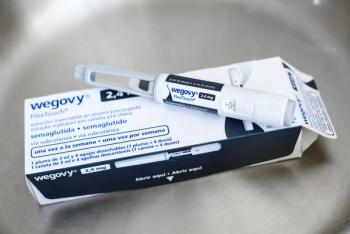
Post hoc STEP UP data at EASD 2026 show liver fat fell from 8.8% to 3.1% at 72 weeks in a 55-person MRI subgroup, though no placebo comparison was reported.
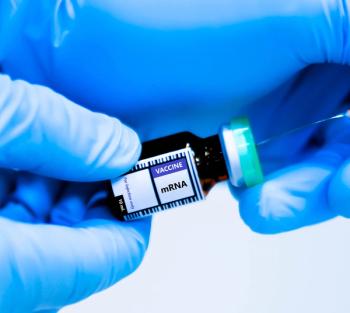
Despite the controversy surrounding mRNA's role in the COVID-19 response, the technology's broader promise—to prevent, treat, and even cure a host of diseases—is coming into focus.

Age is the leading factor in influenza vaccine selection, and vaccination remains effective well beyond the ideal September-to-October window.

As Pharmacy Technician Day approaches, the CEO of the Pharmacy Technician Certification Board argues that real recognition means career ladders, consistent scope regulations, and investment in certification.

William J. Peppard, PharmD, explains how emerging suzetrigine findings after knee arthroplasty connect opioid stewardship with functional recovery and the pharmacist’s role in ensuring treatment access.

Tor Härnqvist, MD, discusses immune testing after invasive pneumococcal disease, serotype-informed vaccine selection, and pharmacists' role in supporting patients on immunoglobulin therapy.

In adults with type 2 diabetes at high cardiovascular (CV) risk, the oral GLP-1 RA also improved HbA1C and weight, with less hypoglycemia but more GI events.
Advertisement
Advertisement
Trending on Pharmacy Times
1
Butter, Beef Tallow, and LDL: Where Dietary Guidelines Diverge
2
Why Patients Fear Statins Will Affect Their Memory
3
Reframing Statins and Brain Health Around Stroke Prevention
4
Semaglutide Normalized Liver Fat in Most Adults With Obesity
5