Mounjaro becomes the first GIP/GLP-1 receptor agonist cleared to lower MACE risk, based on the SURPASS-CVOT head-to-head trial.
The approval offers a once-weekly basal insulin treatment option for patients, reducing the frequency of injections.
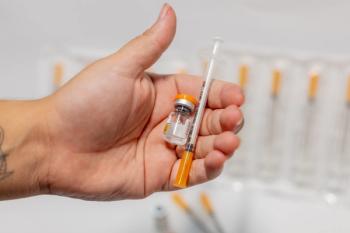
The FDA approved insulin icodec-abae (Awiqli; Novo Nordisk) injection 700 units/mL as an adjunct to diet and exercise to improve glycemic control in children aged 10 years and older with type 2 diabetes (T2D). This approval offers a once-weekly basal insulin treatment option for patients, reducing the frequency of injections from 7 to 1 per week.1
“Individuals with T2D and their families seek treatment options that may allow for more individualized care. [Insulin icodec] reduces basal insulin injections from 7 to 1 per week, which may help patients find a basal insulin routine that feels more manageable,” Michael Radin, MD, executive medical director at Novo Nordisk, said in the news release announcing its approval. “It is important to continue to discover advanced treatments for the populations that need them today.”1
First approved in March 2026 for adults with T2D, insulin icodec is designed as an alternative to daily basal insulin. It is administered once per week on the same day each week using the Awiqli FlexTouch pen.1
Its initial approval was supported by 4 phase 3 randomized, active-controlled, treat-to-target trials in the ONWARDS clinical program, which evaluated its efficacy and safety across insulin-naive patients and previously treated with insulin patient populations living with T2D. In these trials, weekly insulin icodec was compared with daily basal insulin. The injection demonstrated significant efficacy in hemoglobin A1c (HbA1c) reduction across the clinical trial program, with a consistent and tolerable safety profile.2,3
“Children with T2D face an aggressive disease trajectory, and achieving sustained glycemic control [for them] remains a major challenge. We need treatments that are not only effective but options that work for different patient routines. Having alternative options available for basal insulin therapy allows patients to find a treatment that works best for them and their lifestyle and helps them manage their T2D,” Eda Cengiz, MD, MHS Professor of Pediatrics at the University of California, San Francisco, said in the news release.1
This approval is supported by evidence from adequate and well-controlled studies in adults with T2D and a single-dose pharmacokinetic study completed in pediatric patients that evaluated the pharmacokinetic properties of once-weekly insulin icodec in pediatric patients aged 10 to less than 18 years of age with T2D.1
The ONWARDS 2 trial (NCT04770532) studied 526 adults with T2D switching from daily basal insulin to either once-weekly icodec or once-daily insulin degludec. During the trial, insulin icodec demonstrated superior HbA1c reduction, lowering from approximately 8.17% to 7.20% compared with 8.10% to 7.42% with degludec (estimated treatment difference, −0.22%; P = .0028). Patients who received the once-weekly injection also experienced modest weight gain (+1.40 kg) compared with only a slight loss on degludec (−0.30 kg; difference, 1.70 kg; P = .0004), and weekly insulin doses were modestly higher with icodec (268 U/week vs 244 U/week; P = .035). Rates of clinically significant or severe (level 2 or 3) hypoglycemia were low in both groups, at less than 1 event per patient-year of exposure (0.73 vs 0.27 events; P = .078). Icodec also significantly improved total treatment satisfaction compared with daily degludec (P = .0035).4
The ONWARDS 3 trial (NCT04795531) compared once-weekly icodec with once-daily degludec in 588 insulin-naive adults with T2D. Like in ONWARDS 2, insulin icodec achieved superior HbA1c reduction (8.6% to 7.0%) compared with degludec (8.5% to 7.2%; estimated treatment difference, −0.2%; P = .002); however, both treatments produced identical reductions in fasting plasma glucose (−54 mg/dL). Body weight changes were also similar between groups (+2.8 kg with insulin icodec vs +2.3 kg with degludec; P = .17). Level 2 or 3 hypoglycemia rates remained low overall, at less than 1 event per patient-year, but they were statistically higher with insulin icodec during the treatment period (0.35 vs 0.12 events per patient-year; P = .01).5
Additionally, a pediatric pharmacokinetic and safety study evaluated a single subcutaneous injection of insulin icodec (5.6 U/kg) in 18 children and adolescents aged 10 to 17 years with T2D. Single-dose observations and 10-week steady-state simulations confirmed that icodec exposure covers the full 1-week dosing interval in youth. The median time to maximum concentration was 21 hours after dosing (15 hours at steady state). Although the pharmacokinetic profile shape matched what was observed in adults, overall exposure was slightly higher. The authors wrote this reflects puberty-related reductions in insulin sensitivity and higher average BMI. Single-dose insulin icodec was safe and well tolerated, with only 2 participants experiencing mild adverse events (AEs), and no severe or serious AEs or injection-site reactions. There was only 1 mild (level 1) hypoglycemic episode that occurred.6
“For more than 20 years daily basal insulin injections have been a main form of treatment in pediatric diabetes care, but children living with type 2 diabetes may face challenges staying on a daily treatment routine. Having an FDA-approved, once-weekly basal insulin injection available could provide new alternatives for pediatric clinical care. Offering a once-weekly basal insulin may help reduce administration barriers associated with daily insulin injections and provide clinicians and families access to more individualized care,” Cengiz said.1