

Opinion|Videos|May 21, 2026
Integrating Novel Lipid-Lowering Therapies and Addressing Cardiovascular Care Costs
Fact checked by: Ron Panarotti
Pharmacists drive new cholesterol care: educate patients, tackle prior auth and cost barriers, and improve adherence to statins and
Advertisement
In this episode, Integrating Novel Lipid-Lowering Therapies and Addressing Cardiovascular Care Costs, the panelists explore the following questions:
Another PCSK9 inhibitor, enlicitide, is under investigation as a pill. If approved, how do you see this therapy fitting into treatment algorithms?
What are the projections for the economic burden of cardiovascular disease in the upcoming years and how does this underscore the need for more cost-effective care?
The experts examined enlicitide, an oral PCSK9 inhibitor currently under investigation, which could offer a convenient alternative to injectable therapies and may be incorporated into treatment algorithms for patients who are statin-intolerant or require additional LDL-C lowering. Its oral formulation may improve adherence compared with injectable PCSK9 inhibitors, though real-world data will be needed to confirm this. Projections indicate that the economic burden of cardiovascular disease will continue to rise due to an aging population and increasing prevalence of risk factors. These trends underscore the urgent need for cost-effective therapies and care models that optimize adherence, outcomes, and resource utilization across the healthcare system.
Throughout the conversation, the experts provide a comprehensive reflection on the field and the factors that may shape how clinicians approach care moving forward.
The next episode in this series, Facilitating Access to Non-Statin LDL-C Lowering Therapies, features the panelists advancing their conversation on the role of healthcare providers in helping patients navigate access to non-statin LDL-C–lowering therapies, including institutional approaches to standardizing support. It also explores the benefits and limitations of Medicare Part B and Part D coverage for these therapies and how coverage considerations impact treatment decisions.
Newsletter
Stay informed on drug updates, treatment guidelines, and pharmacy practice trends—subscribe to Pharmacy Times for weekly clinical insights.
SubscribeAdvertisement
Related to this article

As accessible health care providers, pharmacists can raise awareness about the proper use of OTC blood glucose meters and continuous glucose monitoring devices.

The first AHA endocarditis update in 11 years expands outpatient options, with a bigger role for pharmacists.

Growing evidence points to gallstones and cholecystitis as an underrecognized risk of GLP-1 RA therapy—pharmacists are well positioned to catch it early.

Investigational inhaled stem cells for COPD raise questions about lasting clinical benefit and the pharmacy controls needed to deliver a living-cell product through a nebulizer.

A suspected plague death in Russia has renewed attention on the rare infection. Here's how to spot pneumonic plague, and which antibiotics the CDC recommends.

In an interview with Pharmacy Times, Abdulkader Rahmo, PhD, discusses investigational inhaled cell therapy for COPD, the evidence needed to establish lasting clinical benefit, and pharmacists’ potential role in its delivery.

The gap is not a paperwork inconvenience—it is a cash flow problem with clinical consequences.
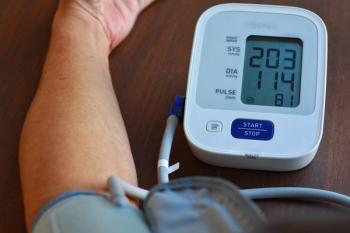
A meta-analysis of 27 trials found 15% lower cardiovascular (CV) event risk per 10-mm Hg SBP reduction, with eGFR declines but no rise in kidney failure.
Advertisement
Advertisement
Trending on Pharmacy Times
1
Rising Gallbladder Complications With GLP-1 Receptor Agonists Call for Closer Pharmacist Monitoring
2
The Value of Self-Monitoring Blood Glucose Tools in Preventing and Reducing Prediabetes and Diabetes-Related Complications
3
Using CKDintercept to Build Interdisciplinary Kidney Care
4
2026 AHA Endocarditis Guidelines Expand Outpatient Antibiotic Options
5