

Opinion|Videos|May 21, 2026
Guideline Updates and Optimizing Adherence in Post-ACS Lipid Management
Fact checked by: Ron Panarotti
Pharmacists speed cholesterol guideline adoption through patient education, prior auth support, and adherence fixes for
Advertisement
Episodes in this series
This episode, titled Guideline Updates and Optimizing Adherence in Post-ACS Lipid Management, features cardiovascular experts discussing the following critical questions:
What does the 2025 ACC/AHA Joint Committee Clinical Practice Guideline recommend for patients in terms of management after a recent ACS?
Will updates to the 2026 guidelines impact your practice decisions?
Why aren’t guidelines influencing practice decisions on a bigger scale?
How can this be improved?
Adherence to alirocumab and evolocumab has been determined to be suboptimal compared with inclisiran. Can you please go over the key methods and results from this study?
Led by Dr. Beavers, the panelists examined 2025 ACC/AHA guidelines, which recommend intensive LDL-C lowering and comprehensive secondary prevention strategies for patients following a recent acute coronary syndrome, emphasizing high-intensity statins and the addition of non-statin therapies when targets are not met. 2026 guideline updates further refine risk stratification and therapy sequencing, potentially influencing practice decisions and encouraging earlier adoption of novel agents. Despite clear recommendations, guideline adoption in practice remains inconsistent due to factors such as clinical inertia, limited awareness, and logistical or coverage barriers, which can be addressed through provider education and system-level interventions. Studies comparing PCSK9 inhibitors with inclisiran have shown that adherence is higher with inclisiran, likely due to its twice-yearly dosing schedule, supporting its potential role in improving long-term LDL-C control in real-world practice.
Throughout the conversation, the experts provide a comprehensive reflection on the field and the factors that may shape how clinicians approach care moving forward.
In the next episode, Integrating Novel Lipid-Lowering Therapies and Addressing Cardiovascular Care Costs, panelists will continue their discussion on how emerging therapies, such as the oral PCSK9 inhibitor enlicitide, could fit into existing treatment algorithms and whether adherence patterns might differ from traditional statins. It also examines projections for the growing economic burden of cardiovascular disease, highlighting the need for cost-effective care, thoughtful coverage policies, and pharmacist-led support to optimize patient access and outcomes.
Newsletter
Stay informed on drug updates, treatment guidelines, and pharmacy practice trends—subscribe to Pharmacy Times for weekly clinical insights.
SubscribeAdvertisement
Related to this article

As accessible health care providers, pharmacists can raise awareness about the proper use of OTC blood glucose meters and continuous glucose monitoring devices.

The first AHA endocarditis update in 11 years expands outpatient options, with a bigger role for pharmacists.

Growing evidence points to gallstones and cholecystitis as an underrecognized risk of GLP-1 RA therapy—pharmacists are well positioned to catch it early.

Investigational inhaled stem cells for COPD raise questions about lasting clinical benefit and the pharmacy controls needed to deliver a living-cell product through a nebulizer.

A suspected plague death in Russia has renewed attention on the rare infection. Here's how to spot pneumonic plague, and which antibiotics the CDC recommends.

In an interview with Pharmacy Times, Abdulkader Rahmo, PhD, discusses investigational inhaled cell therapy for COPD, the evidence needed to establish lasting clinical benefit, and pharmacists’ potential role in its delivery.

The gap is not a paperwork inconvenience—it is a cash flow problem with clinical consequences.
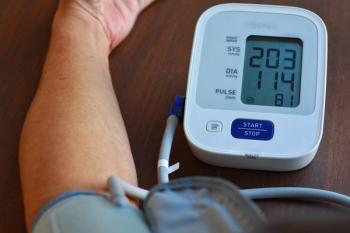
A meta-analysis of 27 trials found 15% lower cardiovascular (CV) event risk per 10-mm Hg SBP reduction, with eGFR declines but no rise in kidney failure.
Advertisement
Advertisement
Trending on Pharmacy Times
1
Rising Gallbladder Complications With GLP-1 Receptor Agonists Call for Closer Pharmacist Monitoring
2
The Value of Self-Monitoring Blood Glucose Tools in Preventing and Reducing Prediabetes and Diabetes-Related Complications
3
Using CKDintercept to Build Interdisciplinary Kidney Care
4
2026 AHA Endocarditis Guidelines Expand Outpatient Antibiotic Options
5