In an interview with Pharmacy Times, David Shusterman, MD, chief executive officer at Modern Urologist in New York City, discussed the clinical and practical considerations surrounding glucagon-like peptide-1 (GLP-1) receptor agonist use, with a particular focus on alcohol consumption, tolerability, and long-term patient outcomes. Shusterman emphasized that the initial weeks of GLP-1 therapy require careful counseling, as patients are typically started on low doses to allow physiologic acclimation and minimize gastrointestinal adverse effects.
“Quitting alcohol use improves how GLP-1 works in many studies by about 30% to 36%, and a lot of the intolerance we see is actually alcohol-related, not medication-related.” — David Shusterman, MD
Alcohol use was identified as a major contributor to poor GLP-1 tolerance and discontinuation. According to Shusterman, alcohol can blunt the glucose-lowering effects of GLP-1 therapies while increasing the risk of nausea, vomiting, dehydration, and metabolic stress. These effects may be misattributed to the medication itself, leading patients to stop therapy prematurely. Reducing or eliminating alcohol intake, particularly early in treatment, was noted to significantly improve GLP-1 effectiveness, with emerging data suggesting efficacy improvements of up to 30% to 36%.
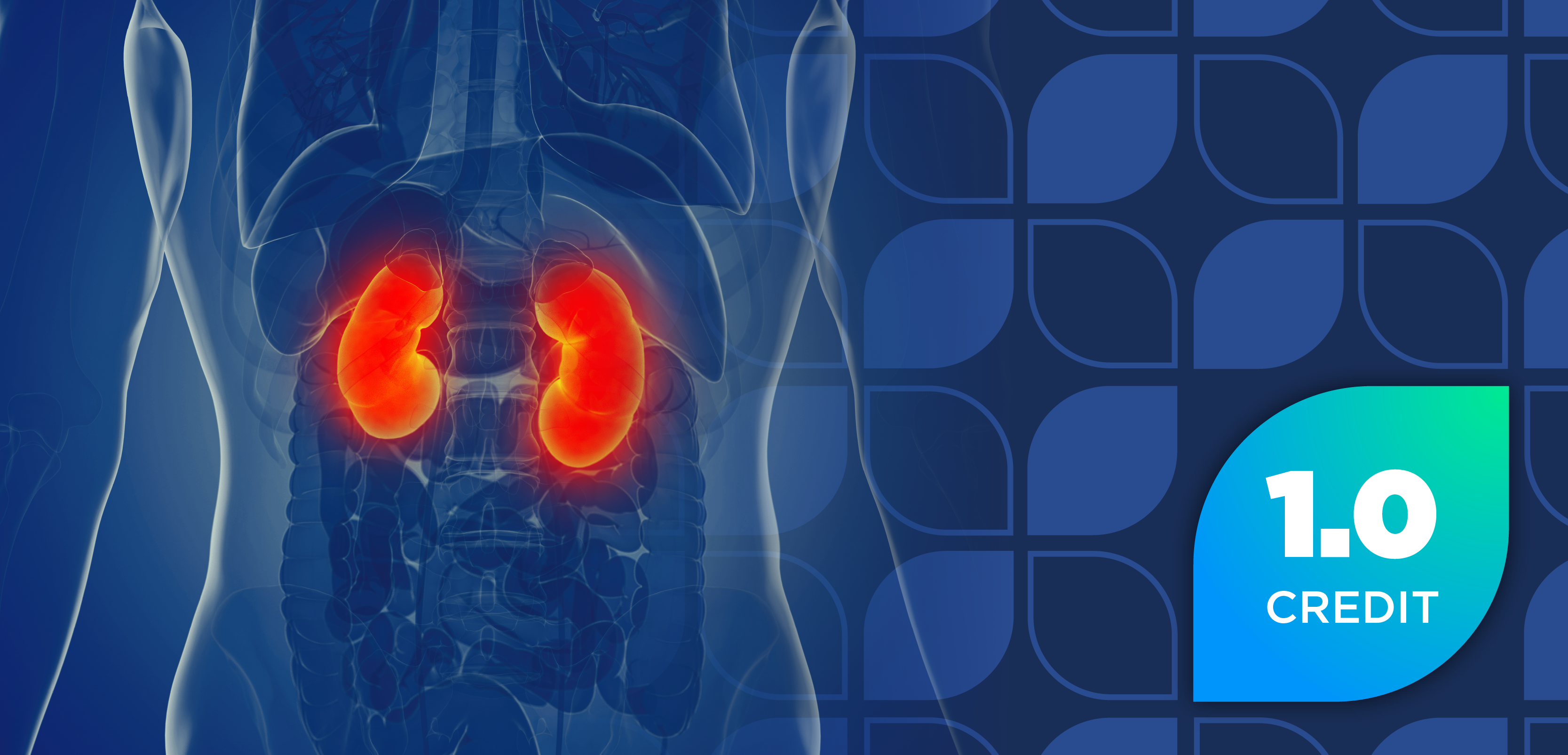
Shusterman also highlighted overlooked clinical signs that may signal chronic kidney disease, including fatigue, changes in urination, ankle swelling, pruritus, and metallic taste. Pharmacists were encouraged to recognize that creatinine elevations, especially in muscular patients, should not be automatically dismissed, as early identification provides a critical opportunity for intervention. Alcohol-related dehydration was cited as a key contributor to kidney stress, reinforcing the importance of hydration counseling.
Key Takeaways for Pharmacists
- Alcohol consumption can significantly reduce GLP-1 efficacy and increase gastrointestinal intolerance, making counseling a critical pharmacist intervention.
- Early recognition of dehydration and kidney-related symptoms allows pharmacists to support safer, more effective GLP-1 use.
- Despite isolated adverse events, GLP-1 receptor agonists remain a highly effective, long-term tool for weight management and metabolic risk reduction.
Beyond glycemic control and weight loss, GLP-1 therapies were described as offering broader benefits, including reduced inflammation, improved sleep quality, mood stabilization, and decreased alcohol cravings. Shusterman noted growing evidence suggesting a population-level decline in alcohol consumption alongside increased GLP-1 utilization.
Despite isolated safety concerns, the Shusterman underscored that GLP-1 receptor agonists remain a cornerstone in obesity and cardiometabolic risk management. For pharmacists, individualized patient assessment, early adverse effect monitoring, and proactive counseling were identified as essential to maximizing therapeutic benefit and long-term adherence.
Previous coverage from Shusterman can be found here.