“GLP-1 medications actually protect the kidneys by reducing inflammation, improving blood flow, and lowering proteinuria by about 20% to 30%, which helps slow chronic kidney disease.” - David Shusterman, MD
According to Shusterman, repeated alcohol-induced glucose spikes impair insulin sensitivity across multiple organ systems, including skeletal muscle and vascular tissue, ultimately worsening insulin resistance and increasing diabetes risk. Heavy alcohol use has been shown to nearly double blood glucose levels, creating downstream consequences for renal health. Elevated circulating glucose places direct stress on the kidney glomeruli, triggering inflammation, impairing filtration, and accelerating chronic kidney disease progression. These metabolic disruptions also affect blood vessels and peripheral nerves, contributing to the systemic complications commonly seen in poorly controlled diabetes.
Key Takeaways for Pharmacists
- Alcohol metabolism disrupts glucose regulation, worsens insulin resistance, and directly harms kidney function through repeated glucose spikes.
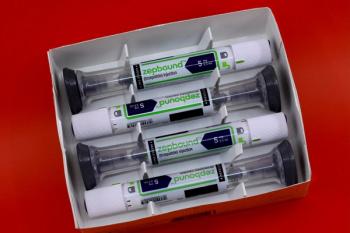
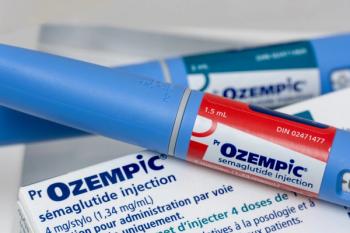
- GLP-1 receptor agonists improve satiety, reduce postprandial glucose excursions, and provide direct renal protective effects, including reduced proteinuria.
- Counseling patients to limit alcohol intake—especially when initiating GLP-1 therapy—may optimize metabolic control, kidney health, and long-term treatment outcomes.
GLP-1 receptor agonists counteract these effects through several mechanisms relevant to pharmacists. By mimicking endogenous gut hormones, GLP-1 therapies slow gastric emptying, enhance satiety signaling, and blunt postprandial glucose excursions. This leads to reduced caloric intake, improved glycemic control, and sustained weight loss. Importantly, Shusterman highlighted growing evidence that GLP-1 therapies confer direct renal benefits, including improved renal blood flow, reduced inflammation, and a 20% to 30% reduction in proteinuria, thereby slowing chronic kidney disease progression.
For pharmacists, these findings reinforce the value of counseling patients on alcohol reduction, such as participation in Dry January, when initiating GLP-1 therapy. Limiting alcohol intake can further stabilize insulin response, reduce renal stress, and enhance the overall therapeutic effectiveness of GLP-1 medications in patients with obesity, metabolic syndrome, or central adiposity.