

Opinion|Videos|August 13, 2026
The KIT D816V Mutation: Unlocking the Biology of Systemic Mastocytosis
Learn how pharmacists spot systemic mastocytosis sooner—using sensitive KIT testing, WHO/ICC criteria, and smarter referrals to improve outcomes.
Advertisement
Episodes in this series
In this episode, "The KIT D816V Mutation: Unlocking the Biology of Systemic Mastocytosis," the expert pharmacists explored the following questions:
The KIT D816V mutation is present in over 90% of systemic mastocytosis (SM) cases and is the central driver of disease. Can you walk us through how this single mutation produces the clinical syndrome we see?
What are the differences in definitions between indolent and advanced systemic mastocytosis?
What are the main symptoms seen in each set of patients?
What is the role of the pharmacist in identifying C-findings in these patients?
The panelists examined how the KIT D816V mutation, an activating point mutation in the tyrosine kinase domain of the CD117 receptor, drives mast cell proliferation independent of its normal ligand, leading to the clinical syndrome seen in SM. Smith and Lewis-Gonzalez outlined the disease spectrum, ranging from monoclonal mast cell activation syndrome to indolent SM, which meets WHO and ICC diagnostic criteria with B findings, and advanced disease marked by organ-damaging C findings such as cytopenias, splenomegaly, dermatologic reactions, and osteoporosis or fractures. They also emphasized the pharmacist's role in identifying C-findings through chart review, lab monitoring, and imaging assessment to help categorize disease severity.
Throughout the conversation, the experts provided a comprehensive reflection on the field and the factors that may shape how clinicians approach care moving forward.
The next episode in this series, "Living with Systemic Mastocytosis: Complications, Triggers, and Quality of Life," features the panelists advancing their conversation on systemic mastocytosis and focusing on long-term complications like bone health, common symptom triggers, and the substantial quality-of-life burden patients face.
Advertisement
Related to this article

A pharmacist-led collaborative drug therapy management program at NYC Health + Hospitals/Bellevue reported high patient satisfaction, and every surveyed patient said they felt respected and supported by their pharmacist.
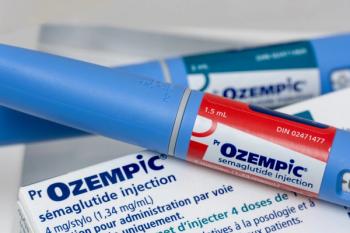
A Novo Nordisk-funded claims analysis of adults with type 2 diabetes found an adjusted HR of 1.06 for MACE with switching, though the findings cannot show causation.

Invasive pneumococcal disease may be the first sign of undiagnosed blood cancers and antibody deficiencies in adults, a new study finds.

A retrospective study from Japan found that oncology pharmacist assessment before medical examination was associated with higher rates of complete adverse event resolution in outpatient chemotherapy.
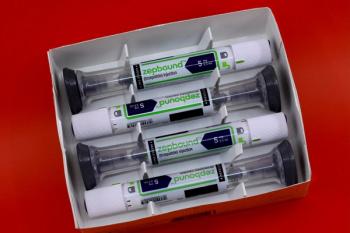
A new analysis finds a significant weight loss edge for tirzepatide under one estimand but not another; no head-to-head trial exists at these doses.
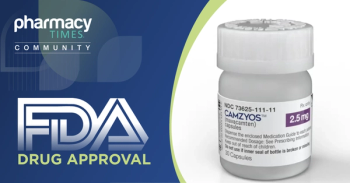
In SCOUT-HCM, mavacamten reduced the Valsalva LVOT gradient by 48 mm Hg versus placebo in adolescents. REMS, echo monitoring, and CYP interactions still apply in the new population.

September’s pain management coverage examined postoperative nonopioid options, lessons from sickle cell pain research, and pharmacists’ experiences with controlled-substance prescribing.

September’s hematology coverage examined a new definition of myeloma cure, patient preferences for treatment delivery, and emerging strategies for deepening responses.
Advertisement
Advertisement
Trending on Pharmacy Times
1
Tirzepatide Linked to More Weight Loss Than Semaglutide 7.2 mg
2
September 2026 in Pain Management: 4 Updates on Treatment and Pharmacy Practice
3
Pharmacists Can Close CKD Medication Adherence Gaps, PHTI Says
4
Pharmacist, Advocate, Ally: Delivering Comprehensive Gender-Affirming Care
5