

Opinion|Videos|July 28, 2026
Building Lasting Habits: VMAT2 Adherence Strategies and Systematizing TD Screening in Long-Term Facilities
Boost VMAT2 adherence by counseling side effects, streamlining refills with auto or mail-order options, using medication packs, and embedding AIMS screening into team workflows.
Advertisement
Episodes in this series
In 'Building Lasting Habits: VMAT2 Adherence Strategies and Systematizing TD Screening in Long-Term Facilities,' the expert psychiatry pharmacists examined the following critical questions:
What best practices can improve persistence and adherence for patients on vesicular monoamine transporter 2 (VMAT2) therapy over time?
How can long-term facilities such as psychiatric hospitals integrate tardive dyskinesia (TD) screening and treatment into routine workflows?
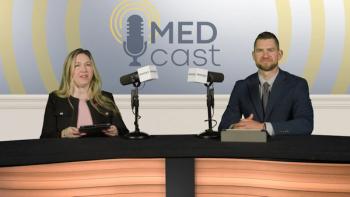
Led by the moderator, the panelists discussed best practices for improving persistence and adherence to VMAT2 therapy, emphasizing the importance of educating patients that this is a lifelong daily medication, since discontinuation can cause symptoms to return to baseline and has, in some cases, led to severe psychological distress. Melissa Cloyd and Jamie Kneebusch highlighted practical adherence tools such as combination medication packaging, automatic refill enrollment, and mail-order pharmacy services, while also addressing how long-term facilities can systematically integrate TD screening into routine workflows through electronic health record (EHR) alerts, interdisciplinary team involvement, and incorporation of Abnormal Involuntary Movement Scale (AIMS) assessments into baseline and ongoing psychiatric evaluations. The panelists stressed the medical-legal importance of thorough and accurate AIMS documentation, including documenting refusals, and noted that brief targeted training can dramatically improve the rate at which providers correctly perform these assessments.
Throughout the conversation, the experts provided a comprehensive reflection on the field and the factors that may shape how clinicians approach care moving forward.
The next episode in this series, 'Driving Better Outcomes: Specialty Pharmacy, Adherence Interventions, and Structuring TD Conversations,' features the panelists advancing their conversation on tardive dyskinesia and focusing on how leveraging specialty pharmacy resources can improve diagnosis and treatment initiation rates, the patient support interventions with the greatest impact on long-term adherence, and how provider-patient conversations can be structured to emphasize the importance of TD management within overall care.
Advertisement
Related Content
Advertisement






























































































Advertisement
Advertisement
Trending on Pharmacy Times
1
Beyond Cost Avoidance: Advancing Unit-Level Pharmaceutical Economics in Health Systems
2
Pharmacist Care Gets BP Patients to Goal Faster, Safer
3
Higher Pulmonary Microplastic Burden Observed in Patients With Lung Cancer
4
Adult Pneumococcal Immunizations: A Practical Guide for Pharmacists
5