

Opinion|Videos|July 28, 2026
Driving Better Outcomes: Specialty Pharmacy, Adherence Interventions, and Structuring TD Conversations
Discover how specialty pharmacists boost TD screening, speed treatment starts, and sustain adherence through proactive check-ins, texts, and empathy.
Advertisement
Episodes in this series
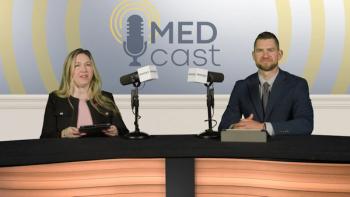
In this episode, 'Driving Better Outcomes: Specialty Pharmacy, Adherence Interventions, and Structuring TD Conversations,' the expert psychiatry pharmacists explored the following questions:
How can leveraging specialty pharmacy resources improve both diagnosis and treatment initiation rates?
What patient support interventions have the greatest impact on maintaining long-term adherence?
How can provider-patient conversations be structured to highlight the importance of tardive dyskinesia (TD) management in overall care?
The panelists examined how specialty pharmacies focused on mental health populations can improve diagnosis and treatment initiation rates by identifying risk factors, navigating payer barriers, and providing tailored resources such as pillboxes for patients who benefit from additional adherence support. Melissa Cloyd and Jamie Kneebusch emphasized that proactive pharmacist outreach, including regular check-ins on adherence and side effects, along with engagement of pharmacy technicians in outreach workflows, can meaningfully improve long-term adherence by ensuring patients never feel unsupported. The panelists then discussed structuring provider-patient conversations around TD management, stressing the importance of meeting patients where they are emotionally and informationally, recognizing the social and psychological toll of TD — including its impact on employment, friendships, and romantic relationships — and finding the right moments and rapport to broach the topic of treatment, even outside of traditional clinical settings.
Throughout the conversation, the experts provided a comprehensive reflection on the field and the factors that may shape how clinicians approach care moving forward.
In the next episode, 'Multi-Channel Engagement and Pharmacist-Prescriber Collaboration in Tardive Dyskinesia Care,' panelists continue their discussion on tardive dyskinesia and highlight multi-channel strategies that can reinforce provider engagement with vesicular monoamine transporter 2 (VMAT2) inhibitor messaging outside of traditional visits, as well as how pharmacists and prescribers can collaborate to ensure smooth transitions from treatment initiation to maintenance.
Advertisement
Related Content
Advertisement



























































































Advertisement
Advertisement
Trending on Pharmacy Times
1
Beyond Cost Avoidance: Advancing Unit-Level Pharmaceutical Economics in Health Systems
2
Pharmacist Care Gets BP Patients to Goal Faster, Safer
3
Higher Pulmonary Microplastic Burden Observed in Patients With Lung Cancer
4
Adult Pneumococcal Immunizations: A Practical Guide for Pharmacists
5