
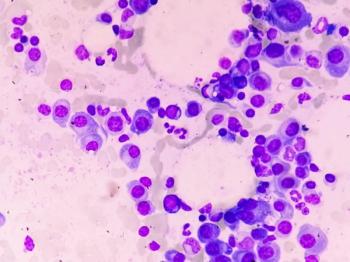
New research uncovers why multiple myeloma affects men more than women, highlighting sex-based differences in disease presentation and risk factors.
New research uncovers why multiple myeloma affects men more than women, highlighting sex-based differences in disease presentation and risk factors.
The treatment was granted a Prescription Drug User Fee Act target action date of May 10, 2026.

Research reveals how eczema's timing and severity influence children's chances of outgrowing food allergies, highlighting the connection between skin health and allergy tolerance.

Jeffery A. Goad, PharmD, MPH, explains how the shift toward shared clinical decision-making for pediatric vaccines may complicate counseling, reduce vaccine uptake, and increase public health risks.

Subcutaneous copper histidinate injections deliver copper in a form that bypasses the genetic defect caused by Menkes disease.
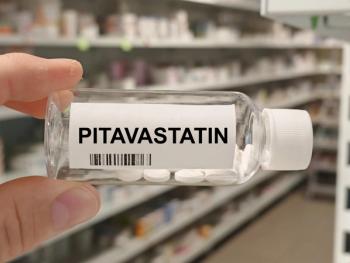
Pitavastatin shows promise as a novel treatment for triple-negative breast cancer, enhancing chemotherapy efficacy and targeting cancer cell survival pathways.

Dave Berkus’s quip might define the most significant transition in buying and selling medications since the inception of pharmacy benefit managers.

Start 2026 with clear goals, smart planning, and intentional action.

The findings reemphasize a need for mental health support for those in the pharmacy profession.

Explore the potential of GLP-1 agonists in Alzheimer's treatment, their current limitations, and future research directions in neurology.

Pharmacists play a vital role in mental health care, enhancing treatment continuity and bridging gaps between mental and physical health for patients with serious mental illness.

Recently released guidelines enhance chronic kidney disease management, emphasizing early detection and innovative treatments for better patient outcomes.

The FDA approves Naox Link, a groundbreaking in-ear EEG device, transforming brain monitoring and enhancing neurologic care for patients and pharmacists.

Long-term type 2 diabetes significantly increases cardiovascular disease risk, revealing potential biomarkers for early intervention and prevention strategies.

Zahra Mahmoudjafari, PharmD, MBA, BCOP, FHOPA, explains how the epcoritamab, rituximab, and lenalidomide regimen delivers durable responses in relapsed or refractory follicular lymphoma while expanding the pharmacist’s role in dosing coordination and toxicity management.

Explore how pharmacogenomics enhances opioid therapy for effective pain management, optimizing analgesia while minimizing risks of adverse effects.
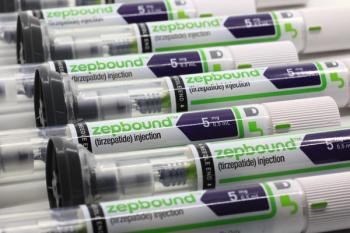
The pivotal clinical trial supports the concomitant administration of tirzepatide and ixekizumab, which significantly improves outcomes for patients with psoriatic arthritis (PsA) and obesity.

Explore how combining BTK inhibitors with CAR T-cell therapy enhances treatment efficacy for B-cell malignancies while managing potential toxicities.

Recent studies reveal that weight recovery in anorexia nervosa does not ensure muscle restoration, highlighting the need for comprehensive recovery strategies.
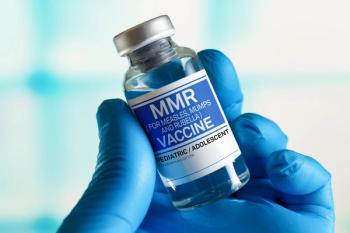
Study author Nina B. Masters, PhD, MPH, highlighted an increase since the pandemic in the rates of patients missing their dose of measles, mumps, and rubella (MMR) vaccination at age 2 years.

Study authors describe a framework to help patients with chronic kidney disease (CKD) change and adhere to diets.

Collaborative health care efforts are needed to effectively manage asthma, and pharmacists play a key role in optimizing asthma treatment plans.

Jeffery A. Goad, PharmD, MPH, explains how recent HHS policy changes reorganizing the childhood immunization schedule could complicate routine vaccination practices and increase the risk of gaps in pediatric disease prevention.

A new dual-antibody therapy shows promise in treating extramedullary multiple myeloma, offering hope for patients with limited options.


New dietary guidelines emphasize higher protein intake, reduced added sugars, and avoidance of ultra-processed foods to combat chronic diseases.

The role of cancer-associated fibroblasts in non–small cell lung cancer (NSCLC) drug resistance highlights innovative strategies to enhance treatment efficacy.

Bepirovirsen shows promise as a groundbreaking treatment for chronic hepatitis B, achieving significant functional cure rates in recent phase 3 trials.

Zahra Mahmoudjafari, PharmD, MBA, BCOP, FHOPA, highlights the EPCORE FL-1 trial, which showed that adding epcoritamab to rituximab and lenalidomide improved response rates and reduced progression risk in patients with relapsed or refractory follicular lymphoma.

Pharmacists enhance migraine management by providing personalized care, navigating treatment options, and addressing comorbid conditions for better patient outcomes.