Phase 2 DeLLphi-309 data show comparable activity in previously treated SCLC with less frequent dosing.
The role of cancer-associated fibroblasts in non–small cell lung cancer (NSCLC) drug resistance highlights innovative strategies to enhance treatment efficacy.
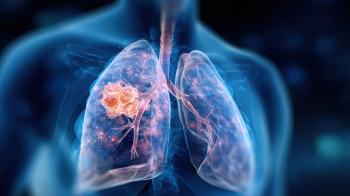
Lung cancer remains one of the leading causes of cancer-related mortality worldwide, with non–small cell lung cancer (NSCLC) accounting for a significant number of these cases. While traditional therapeutic approaches, particularly targeted therapies such as tyrosine kinase inhibitors (TKIs) for specific genetic drivers, have improved outcomes, drug resistance is prevalent and oftentimes inevitable. Recent studies have shed light on how the tumor microenvironment (TME) promotes resistance, especially through the promotion of tumor survival from cancer-associated fibroblasts (CAFs) that contribute to the evasion of targeted therapies.1-3
The TME is an ever-changing complex network composed of immune cells, stromal cells, extracellular matrix, and growth factors. These elements interact with cancer cells and influence disease progression and response to therapy. In NSCLC, activated fibroblasts, also known as CAFs, contribute significantly to influencing the sensitivity to treatment as well as tumor growth.4 Pharmacists should recognize that the therapeutic success of targeted therapies is not solely dependent on cancer cell genetics, but also on the broader cellular milieu that can promote bypass signaling and resistance.
A study published in Science Signaling showed that CAFs induced resistance to ALK inhibitors in EML4::ALK fusion gene-positive NSCLC through both paracrine and juxtacrine interactions. Using coculture model systems, the study showed that the CAF-conditioned medium was found in growth factors like hepatocyte growth factor that activated the MET pathway in cancer cells, resulting in paracrine resistance to ALK TKIs.2
Concurrently, physical interactions between cancer cells and CAFs activated signals for integrin beta-1–mediated survival through cell adhesion interactions. Inhibiting only the MET pathway or only the integrin pathway was ineffective; however, dual inhibition of the 2 pathways reversed the resistance to ALK inhibitors.2
The implications of CAF-mediated drug resistance extend beyond preclinical models. In clinical practice, TKIs targeting driver mutations such as ALK, EGFR, and ROS1 have transformed NSCLC management, with agents such as alectinib (Alecensa; Novartis) and ceritinib (Zykadia; Novartis) offering improved progression-free survival; however, resistance mechanisms mediated by CAFs or other TME components contribute to treatment failure and disease progression. For example, CAFs can diminish apoptosis and enhance proliferative signaling in tumor cells in the presence of TKIs, effectively rendering single-agent targeted therapies less effective.5
Research in overcoming TME-mediated resistance is continuous and fast-evolving. Combination strategies that target both the tumor cells and their supportive stroma appear promising. For example, coinhibition of the MET and integrin signaling in addition to the ALK TKIs was more effective in suppressing tumor growth compared with single-agent therapy in preclinical models.2 This supports the rationale for future clinical trials exploring combination regimens.
Besides focusing on CAF-related signaling routes, other strategies under evaluation involve immunotherapy combination regimens that target the interaction between cancer cells and immune aspects of the TME.6 Immunotherapy targeted at PD-1 and PD-L1 has transformed the treatment of NSCLC, but despite these improvements, responses to these modalities may also be dependent on TME.2
Pharmacists should remain informed about evolving evidence supporting the integration of immunotherapeutic approaches with microenvironment-modulating strategies.
This complex interaction of tumor cells and the surrounding microenvironment, especially CAFs, has emerged as a major contributor to the development of targeted therapy resistance in NSCLC.1-3 Understanding the mechanisms of resistance provides an opportunity for pharmacists to be engaged in developing and implementing individualized therapeutic approaches that can predict and potentially bypass resistance.
As research into combination regimens and microenvironment-modulating therapies continues, the oncology care team, including pharmacists, must remain at the forefront of translating scientific developments into clinical practice to advance outcomes for patients with NSCLC.