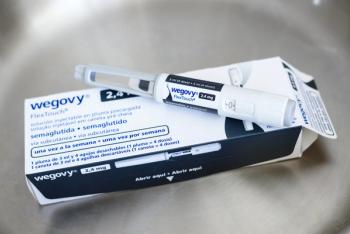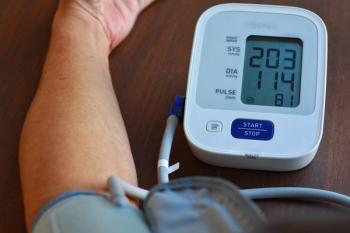
A meta-analysis of 27 trials found 15% lower cardiovascular (CV) event risk per 10-mm Hg SBP reduction, with eGFR declines but no rise in kidney failure.
Health literacy is the foundation upon which safe, effective, and equitable care is built. Yet for millions of patients, navigating the health care system remains confusing, intimidating, and fragmented. Prescriptions are written in unfamiliar terms, instructions are rushed or misunderstood, and critical decisions are made without full comprehension. In this environment, pharmacists play a powerful and often unrecognized role in advancing health literacy.
Pharmacists are among the most accessible health care professionals. They meet patients where they are: in community pharmacies, hospitals, clinics, long-term care facilities, and increasingly through digital platforms. These frequent touchpoints enable pharmacists to convey complex medical information in a way that patients can understand and take action upon. Whether explaining how to take a new medication, clarifying adverse effects, or reinforcing why adherence matters, pharmacists serve as interpreters of the health care system.
Pharmacists also play a critical role in addressing disparities rooted in low health literacy. Patients with limited English proficiency, chronic disease burden, or social barriers are disproportionately affected by misunderstandings in care. Pharmacists’ cultural competence, use of teach-back methods, and ability to tailor education to individual needs help close these gaps. In many communities, the pharmacist may be the most trusted—or only—health professional a patient sees regularly.
As health care grows more complex, the pharmacist’s role in health literacy must be intentionally supported and expanded. This includes integrating pharmacists into care teams, reimbursing patient education and counseling services, investing in training on plain language communication, and utilizing technology to reinforce understanding beyond the pharmacy counter. Health literacy should be viewed not as an added task but as a core clinical responsibility.
Ultimately, improving health literacy leads to improved outcomes, including fewer medication errors, better adherence, reduced hospitalizations, and increased patient confidence. Pharmacists are already doing this work every day, often quietly and without recognition. It is time for health systems, policy makers, and industry leaders to acknowledge pharmacists as essential stewards of health literacy and to ensure they have the tools, time, and support to fulfill this vital role.
As we enter a new year, thank you for your work and for taking the time to read.
8 months ago
Self-Care Measures to Treat Sore Throat9 months ago
Fun Fact: Sufficient Sleep May Extend Your LifeStay informed on drug updates, treatment guidelines, and pharmacy practice trends—subscribe to Pharmacy Times for weekly clinical insights.
Subscribe