
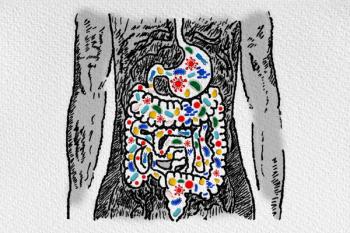
Explore how the gut microbiome influences cancer therapy responses, resistance mechanisms, and the potential of microbiota-focused strategies for improved outcomes.
Explore how the gut microbiome influences cancer therapy responses, resistance mechanisms, and the potential of microbiota-focused strategies for improved outcomes.

GLP-1 receptor agonists, including semaglutide and tirzepatide, significantly reduce cardiometabolic risk factors such as dyslipidemia, type 2 diabetes, metabolic dysfunction-associated steatohepatitis, obstructive sleep apnea, chronic kidney disease, and cardiovascular events, with evidence suggesting that some of these benefits may occur independently of weight loss.
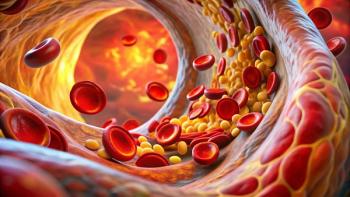
At the 2025 National Lipid Association (NLA) Scientific Sessions, Marlys L. Koschinsky, PhD, FNLA, discusses the role of Lp(a) in cardiovascular risk and the emerging therapies designed to target and lower Lp(a) levels.

Gurjyot K. Doshi, MD, discusses key updates to medically integrated pharmacy standards, which reflect the evolving landscape of oral oncolytic therapy.
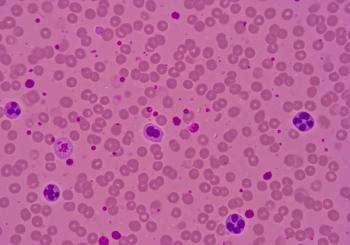
IVIG treatment significantly boosts platelet counts in pregnant people with thrombocytopenia, revealing key predictors for effective response and optimizing clinical decisions.

Emerging therapies targeting apolipoprotein C-III (ApoC3) are demonstrating significant promise in lowering triglycerides and reducing cardiovascular risk for patients with severe hypertriglyceridemia and rare disorders, such as familial chylomicronemia syndrome.

Groundbreaking oncology drugs transform treatment for glioblastoma, HR+ breast cancer, and small cell lung cancer.

Building on positive low-density lipoprotein cholesterol (LDL-C)-lowering seen in patients with atherosclerotic cardiovascular disease, inclisiran was found to induce meaningful and sustained LDL-C reductions following recent acute coronary syndrome.

Enhanced dermatologic management reduces skin rash and improves quality of life for patients with EGFR-mutant non-small cell lung cancer.

A study of early-onset colorectal cancer found significant racial disparities, with younger patients more frequently diagnosed at advanced stages.

The FDA grants fast track designation to TEV-53408, a promising treatment for celiac disease designed to address gluten intolerance and improve patient outcomes.
The announcement is set to affect multiple grants awarded to Moderna, which is developing mRNA-1018, a candidate vaccine against avian influenza.


Zongertinib shows significant benefits in managing symptoms and improving quality of life for patients with HER2-mutated non-small cell lung cancer.

Sander Kersten, PhD, discusses the distinct roles of ANGPTL3 and ANGPTL4 in lipid metabolism, their interactions with key enzymes, the therapeutic potential of targeting these pathways in lipid-lowering strategies, and important considerations for pharmacists counseling patients on emerging ANGPTL-targeted therapies.
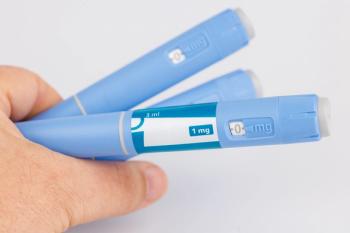
Katherine H. Saunders, MD, DABOM, explores the role of pharmacists in supporting long-term weight management with GLP-1 therapies, including strategies for counseling on lifestyle interventions, managing adverse effects, and ensuring patients receive individualized, evidence-based care.
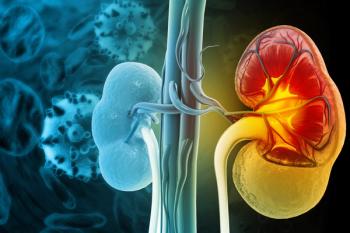
Researchers explore cellular senescence's role in kidney fibrosis, highlighting potential therapies to combat chronic kidney disease progression.
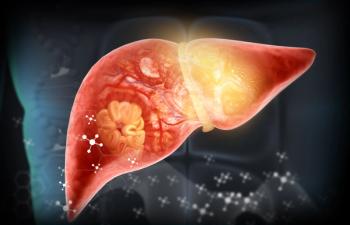
The test offers health care professionals a simple and efficient method of identifying patients with liver fibrosis of varying severity.

Shore Medical Center enhances patient safety with a pharmacy-driven intravenous to oral opioid conversion protocol, minimizing risks and improving pain management.
The pharmacy is proud to be community focused and patient centered.

CKD is a complication of diabetes. Emerging treatments aim to optimize management and reduce risks. Pharmacists are key in applying new evidence to clinical practice.

Two abstracts from the American Society of Clinical Oncology (ASCO) annual meeting demonstrate that pretreatment DPYD genotyping improves the safety and cost-effectiveness of fluoropyrimidine chemotherapy, with oncology pharmacists playing a pivotal role in implementing and optimizing genotype-guided dosing strategies.

V114, a 15-valent pneumococcal conjugate vaccine (PCV), provided better protection against serotypes 22F and 33F compared with 13-valent PCV (PCV13).
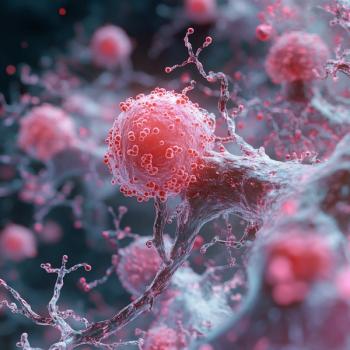
Corrine Stahura, PharmD, and Sophia Gilardone, PharmD, BCOP, discuss recent clinical trial data and evolving guideline recommendations for HER2- and HER3-directed antibody-drug conjugates (ADCs) in non–small cell lung cancer (NSCLC), highlighting differences in efficacy, safety, and patient selection criteria.

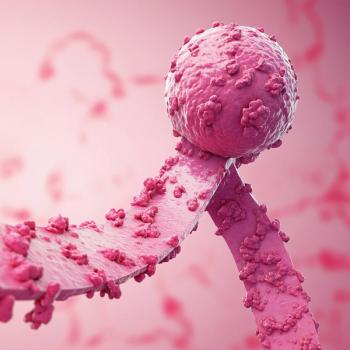
Hope Rugo, MD, discusses a multi-institutional real-world analysis showing that rechallenging trastuzumab deruxtecan after grade 1 interstitial lung disease (ILD) is generally safe and effective.
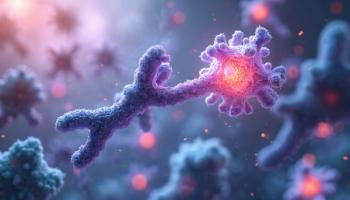
Elranatamab shows promising efficacy and manageable safety in transplant-ineligible newly diagnosed multiple myeloma patients, highlighting its potential as a treatment option.
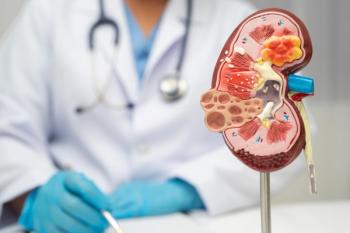
The investigators suggest that early detection and treatment of chronic kidney disease (CKD) in childhood cancer survivors may decrease late complications and mortality.
The formulation allows for individualized treatment in children with adrenocortical insufficiency.

New research highlights the significant cardiovascular risks associated with RSV, emphasizing the need for vaccination to protect vulnerable populations.