

Daily walking and resistance bands during chemotherapy help curb chemo brain and brain fog, keeping patients active and sharper at home.
Daily walking and resistance bands during chemotherapy help curb chemo brain and brain fog, keeping patients active and sharper at home.

Finerenone slows nondiabetic chronic kidney disease, improving eGFR slope and signaling a possible FDA expansion.

Analysis reveals critical price volatility patterns affecting pharmacy inventory management.

A Response to “We Can Do Better: Educating on Perimenopause and Menopause Is a Good Thing,” Published in November 2025

PharmD and Olympian Tabitha Peterson reveals how pharmacy analytics, teamwork, and constant learning fuel elite curling strategy and Olympic-level performance.

The VIVID trial finds high-dose vitamin D3 doesn’t cut COVID care visits but hints at fewer long COVID symptoms.
Explore how pharmacists elevate electrophysiology care and get a preview of ACC 2026 trials on AF, HFpEF, pulmonary embolism, and hypertension.

A federal judge halted HHS Secretary Robert F. Kennedy Jr's rollback of childhood vaccines, freezing ACIP's overhaul and immunization votes amid a medical society lawsuit.

Novo Nordisk's Nicky Kelepouris, MD, discusses the REAL8 trial, the expanded pediatric indications for once-weekly somapacitan, and the pharmacist's role in supporting families navigating long-term growth hormone therapy.

Improved risk stratification for coadministration of linezolid with serotonergic agents has the potential to optimize its indications in clinical practice.

Stopping weight management medications drives rapid weight regain and metabolic rebound—making long-term treatment key to optimal outcomes.

Tabitha Peterson, PharmD, discusses how teamwork, strategy, and antidoping expertise sharpen patient care and athlete safety.

Despite persistent gaps in cardiovascular risk management, pharmacists are proving essential in improving LDL control, guiding statin use, and supporting evidence-based care across clinical settings.

Build financial confidence by making strategic money decisions all year.

ADCs are reshaping metastatic breast cancer and pharmacists' roles in treatment management.

Mass-produced compounded GLP-1 drugs bypass FDA safeguards, raising sterility, quality, and supply-chain risks—putting patients at risk despite ending shortages.

FDA approves secukinumab for adolescents 12 years and older with moderate to severe hidradenitis suppurativa, offering the first IL-17A option and new hope for earlier relief.

FDA expands Arexvy RSV vaccine to at-risk adults 18-49, backed by phase 3b data—what it means for patients and pharmacists.
No FDA-approved oral suspension of valacyclovir currently exists, meaning pharmacies must continue relying on compounded preparations for patients unable to swallow tablets while Hyloris works to resolve the manufacturing issues.

Although the rates of gabapentin use without a prescription were nearly double those of prescribed use, the trends are decreasing over time.

An Intermountain Health study finds atrial fibrillation present in 25% of patients with peripheral arterial disease, with major cardiovascular events occurring in 46% within 3 years.
Pharmacists have become central to titration, access, patient education, and logistics as GLP-1 use grows and cardiometabolic management evolves.

Ashlan J. Kunz Coyne drives innovative research to combat multidrug-resistant infections and enhance patient care.

Rapid RSV testing in pediatrics cuts unnecessary antibiotic use in young children with viral lung infections.

Ongoing measles outbreaks highlight the impacts of reduced vaccination rates and heightened public distrust in health experts.


Peer Reviewed
Although the overall proportion of female authors in pharmacy publishing exceeds the representation of women in the pharmacy, medical, and pharmaceutical science workforces, women are more likely to be first authors than senior authors.

How to thrive professionally and personally during pharmacy fellowship
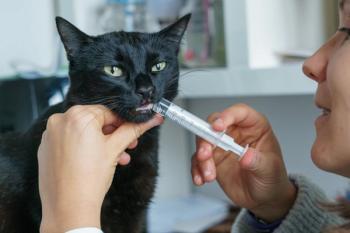
The BPS is reviewing a petition from several professional organizations and seeking public comments on creating a new specialty certification focused on animal health.

Ruxolitinib can shape myelofibrosis care, and other drugs' dosing, resistance, and next-generation combinations are under study.