

The FDA suspended the biologics license for Ixchiq, the first approved chikungunya vaccine, after reports of serious adverse events and fatalities.
The FDA suspended the biologics license for Ixchiq, the first approved chikungunya vaccine, after reports of serious adverse events and fatalities.

Increasing dietary potassium, such as from bananas, may lower blood pressure more effectively than reducing sodium alone.

The sensor detects acetone levels in the breath to indicate diabetes.
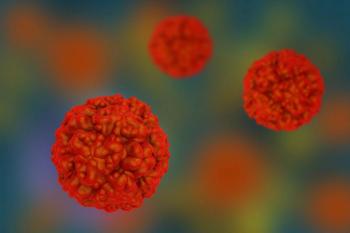
Rhinovirus infection, which causes the common cold, could offer infected children more respiratory pathway protection from SARS-CoV-2 infection.
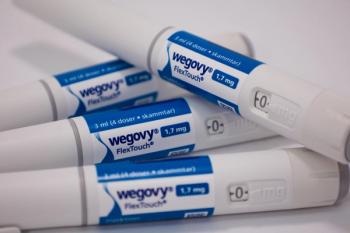
GLP-1 receptor agonists like semaglutide show promise in reducing obesity-related cancer risks, while highlighting the need for ongoing safety monitoring.

Expert emphasizes the need for stronger transparency and patient definitions in the 340B program.

A novel shingles vaccine candidate demonstrated positive top-line results of antibody and CD4⁺ T-cell vaccine responses.

Researchers have identified suppression of the JNK pathway, particularly loss of MAP2K7, as a key driver of resistance to endocrine therapy plus CDK4/6 inhibitors in ER+ breast cancer.
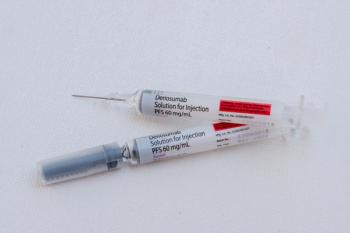
When treating patients with bone metastases, the biosimilar demonstrated equivalent safety and efficacy to its reference product.

Pharmacists play crucial roles in opioid use disorder treatment.

Alyssa Modic, PharmD, explains how pharmacists can clarify pneumococcal vaccine schedules, manage coadministration decisions, and reframe vaccination conversations for patients.

A better understanding of the activation of amylin receptors is a step forward for developing new drugs.

The new data highlight how dietary changes could fuel Alzheimer- and dementia-related mechanisms.

Jennifer Griffin, PharmD, MS, discusses the critical role of pharmacists in patient inhaler counseling, from when an inhaler is first prescribed to patient follow-up.
RSV causes a significant burden of acute respiratory infections in older adults.

A patient, who formerly had previously been treated with CAR therapy for multiple myeloma, achieved remission for both multiple myeloma and lymphoma.
The action follows phase 3 trial data that demonstrated reduced phlebotomy dependence, improved hematocrit control, and eased symptoms.

Evolocumab is now indicated for adults at increased risk for major adverse cardiovascular events (MACE).

A systematic review and meta-analysis revealed key insights into lipid parameters in patients with systemic sclerosis.

State policymakers should target bad actors while protecting access.

Effective communication between pharmacy technicians and others is necessary to meet patient needs.
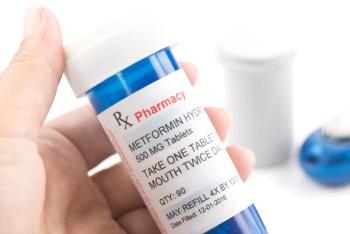
The study results could help bolster metformin as a potentially attractive option for patients with HER2-positive breast cancer.
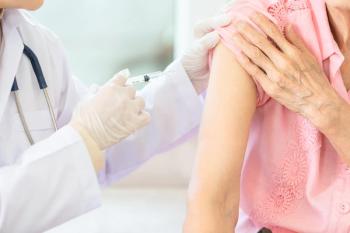
Patients in an outpatient oncology unit expressed willingness to receive a pneumococcal or influenza vaccine from a pharmacist if offered.

Alyssa Modic, PharmD, emphasizes the importance of evidence-based advocacy and continuous education as vaccine recommendations evolve.
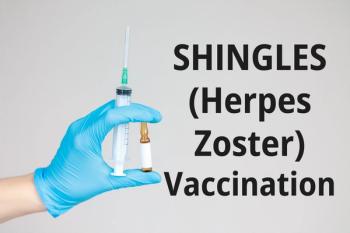
The recombinant shingles vaccine not only reduces herpes zoster and herpes zoster ophthalmicus but is also associated with lower risks of hospitalization for stroke and myocardial infarction in adults aged 50 and older.

Samantha Picking, PharmD, senior director of immunizations at Walgreens, shares how pharmacy teams are addressing vaccine misinformation, managing coadministration, and supporting test-to-treat services during a complex respiratory season.

Individuals with bipolar disorder are at nearly a 2-fold higher risk of heart failure, which is marked as the main cause of premature cardiovascular mortality.

The "farm effect" is a term researchers use to describe the protective impact of growing up on traditional farms—especially around livestock, barns, and raw farm environments—on the development of allergies and asthma.
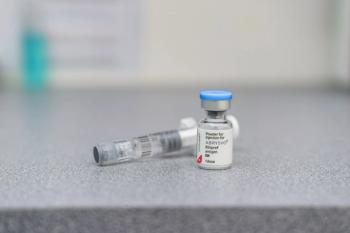
RSVpreF was well tolerated in nonpregnant and pregnant individuals aged 18 years and older.