

Pharmacists can assess patients' needs, evaluate what is required for specific destinations, and provide relevant resources.
Pharmacists can assess patients' needs, evaluate what is required for specific destinations, and provide relevant resources.

Lauren C. Pinter-Brown, MD, FACP, of UCI Health and Chao Family Comprehensive Cancer Center, describes some of the challenges providers face during the treatment of patients with advanced cutaneous T cell lymphoma and how to address them.

Treatment with neoadjuvant cisplatin and pemetrexed plus atezolizumab for pleural mesothelioma found to be safe in trial.

Although there are several conditions known to be risk factors for clostridium difficile, data on the link between malignancy and clostridium difficile are limited.
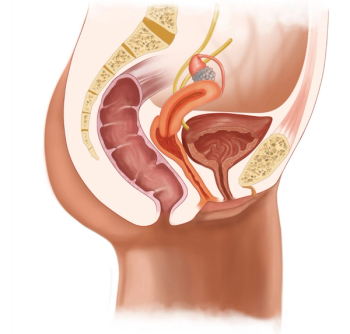
Enfortumab vedotin-ejfv (Seagen; Padcev) is a first-in-class antibody-drug conjugate approved for patients with previously treated locally advanced or metastatic urothelial cancer.

Co-administration of COVID-19 vaccines and flu vaccines is also available.

This month's featured products include empagliflozin, finerenone, and more.

The prostate-specific membrane antigen-targeted positron emission tomography imaging technique will be part of the National Comprehensive Cancer Network guidelines beginning in 2022.

Although frontotemporal dementia is the leading cause of the disease for those under 65 years of age, far fewer people are familiar with it than with Alzheimer disease.

Study shows Lefamulin, omadacycline, ceftaroline, delafloxacin are beneficial in treating community-acquired pneumonia.
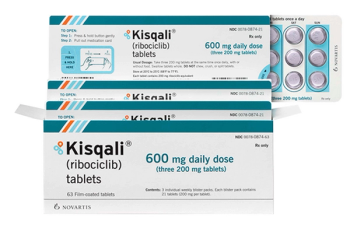
Ribociclib is an inhibitor of cyclin-dependent kinase 4 and 6 and causes tumor growth inhibition.

Menopause can happen in your 40s or 50s, but the average age is 51 years in the United States.

Digital health tools improve patient outcomes while expanding career opportunities for pharmacists.

A shortage of pharmacists led to a call for pharmacy education in Alaska that echoed across the state.
Lauren C. Pinter-Brown, MD, FACP, of UCI Health and Chao Family Comprehensive Cancer Center, addresses how the treatment of advanced cutaneous T cell lymphoma has changed in recent years and whether there have been any advancements of note.

This month's featured products include an infants' pain and fever reducer, daily supplements for nerve care and pain, and more.

Andrea Silber, MD, said the COVID-19 pandemic has exacerbated disparities that already existed within oncology care, and she said the effects of these disparities on patients are very real and direct.

The overall response rate of ruxolitinib at week 24 was 49.7% compared with 25.6% for the best available therapy treatment for graft-versus-host-disease.

The COVID-19 booster doses are to be administered at least 6 months after completion of the primary 2-dose series and are the same formulation and dosage strength as the original doses.

Remdesivir demonstrated a statistically significant 87% reduction in risk for the composite primary endpoint of COVID-19-related hospitalization or all-cause death by day 28.

Ten quiz questions to assess your knowledge on common symptoms and treatments for genital herpes.

It demonstrated 93.2% efficacy 14 days afterward and greater than 90% for 4 or more months.
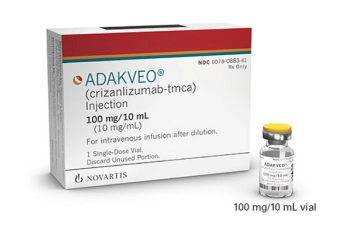
Crizanlizumab is a humanized IgG2 kappa monoclonal antibody that binds to P-selectin and blocks interactions with its ligands.

ALS results in muscles that are reduced in size (atrophic), weak, and soft, or muscles that are stiff, tight, and spastic.

The Pharmacy Times® Pharmacy Focus podcast provides the latest industry news and information, thought-leader insights, clinical updates, patient counseling tools, and innovative solutions for the everyday practice and business of pharmacy.

DEA seizure of large-scale narcotics points to potential drug diversion in supply chain.
Lauren C. Pinter-Brown, MD, FACP, of UCI Health and Chao Family Comprehensive Cancer Center, provides an overview of key trials that have been conducted in the advanced cutaneous T cell lymphoma space in recent years.

Survey results from Kantar show that people rate these factors more important than an active family life and financial security in terms of well-being.

Ideas for potential new services are often plentiful, but these ideas must be carefully evaluated in order to select the right one and see it to fruition.

Patients with triple-negative breast cancer who received sacituzumab govitecan had a median progression-free survival of 4.6 months compared to 2.3 months with chemotherapy.