

Mortality was highest among Asian, Black, and Hispanic populations, American Heart Association’s 2023 Statistical Update shows.
Mortality was highest among Asian, Black, and Hispanic populations, American Heart Association’s 2023 Statistical Update shows.

Consuming soy flour rich in B-conglycinin also promotes liver homeostasis, which may prevent atherosclerosis and fatty liver disease, research results show.

By setting a standard for prescriptions that improves member access, outcomes, and experience, we will establish a path forward for every facet of health care.

Jim Whitman, senior vice president of member programs and services at the National Association of Chain Drug Stores (NACDS), discussed the upcoming NACDS 2023 Regional Conference and what attendees can look forward to.

The FDA has approved pirtobrutinib (Jaypirca) for the treatment of adult patients with relapsed or refractory mantle cell lymphoma following at least 2 lines of systemic therapy, including a Bruton tyrosine kinase inhibitor.

The FDA has approved elacestrant (Orserdu) for the treatment of postmenopausal women or adult men with estrogen receptor–positive (ER+), HER2-negative, ESR1-mutated advanced or metastatic breast cancer with disease progression following at least 1 line of endocrine therapy.
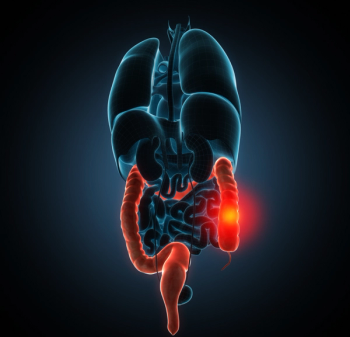
Patients who received first-line ICI showed a significant improvement in progression-free survival (PFS) and overall survival (OS) compared to chemotherapy treatment.

Protect patients by evaluating VIGIV concentration and avoiding tearing of metal flange on vaccine vial.

Academic, community, first responder, government, and medical leaders call for better options to save lives.
Cases address questions about glycated hemoglobin A1C and hypoglycemia management.

Pembrolizumab approved as adjuvant treatment following surgical resection and platinum-based chemotherapy for patients with stage IB, II, or IIIA non-small cell lung cancer.

When replaced with just 6 to 7 minutes daily of light-intensity exercise or sedentary behavior, data show poorer cognitive performance.
Findings suggest cancer may have overtaken cardiovascular disease as a leading cause of death in individuals with type 2 diabetes.

Relatively higher suicide risks were observed for cancer types with a poor prognosis and high symptom burden in the first 2 years after diagnosis.

Most individuals who used cannabis to manage their chronic pain reported using it in place of other pain medications, including opioids.
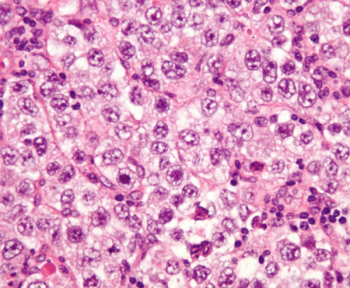
Chronochemotherapy aims to time drug delivery when the body is the least vulnerable to harmful effects, while the cancer cells are the most vulnerable.

In younger children, emotional maltreatment led primarily to behavioral problems, whereas in older children it was more likely to lead to depression and anxiety disorders.

Respiratory syntactical virus burdens quality of life and can lead to long-term health outcomes.
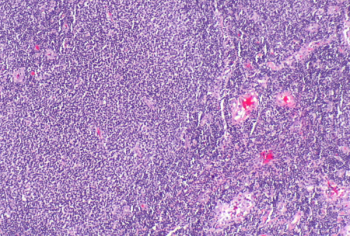
At leukapheresis, a low frequency of differentiated CD3+CD27-CD28--T cells can indicate favorable response to CAR T-cell therapy.

Pharmacist involvement in identifying causes, therapy approaches is essential, as BCC can result from prior radiation therapy.
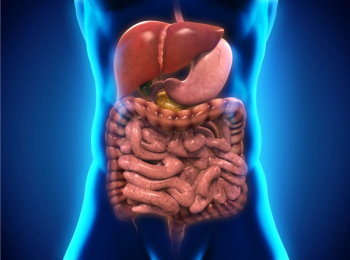
Zolbetuximab treatment reduced risk of death by 25% compared to placebo.

Based on study findings, Moderna plans to submit for regulatory approval in the first half of 2023 for mRNA-1345, a novel vaccine for respiratory syncytial virus.
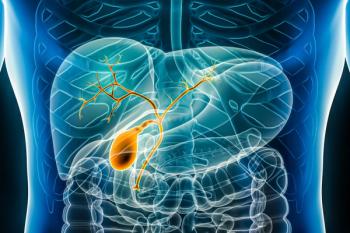
Specific data and results for pembrolizumab in patients with advanced or unresectable biliary tract cancer will be presented at an upcoming medical meeting and will be submitted to regulatory authorities.

Study highlights the impact of individual expectations for positive and negative outcomes.

Multisystem inflammatory syndrome typically presents approximately 1 month after a COVID infection, occasionally resulting in cardiac complications in previously healthy children.

The investigators observed a 96.8% S. aureus reduction in stool and a 65.4% reduction in the nose among patients who received the probiotic.

Compassionate use bridges gap between safety and patients' immediate need for biologics, devices, drugs, devices on spearhead of research and development.

Individuals with the virus had an 81 times higher risk of dying in the first 3 weeks of infection, and that remained 5 times higher for up to 18 months, analysis shows.
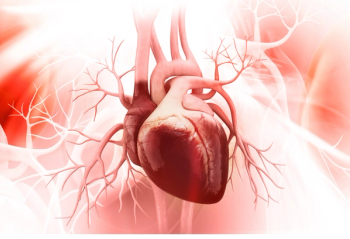
Surgical embolectomy and venoarterial extracorporeal membrane oxygenation demonstrate favorable safety and efficacy profiles.

In a phase 3 trial, empagliflozin significantly reduced the risk of kidney disease progression or cardiovascular death in adults with chronic kidney disease by 28% compared with placebo.