
Nicole C. Pezzino, PharmD, BCACP, CDCES, explains why reimbursement gaps, workflow constraints, and the emotional burden of wearing a continuous glucose monitor (CGM) are limiting CGM success and how pharmacists can improve outcomes.
Nicole C. Pezzino, PharmD, BCACP, CDCES, explains why reimbursement gaps, workflow constraints, and the emotional burden of wearing a continuous glucose monitor (CGM) are limiting CGM success and how pharmacists can improve outcomes.

Pharmacy Times speaks with Jeff Goad, PhD, MPH, about the biggest misconceptions surrounding measles and the MMR vaccine, as well as the serious symptoms pharmacists believe patients should never ignore.

Use 5 checks to keep your emergency fund right-sized, earning more, and separated—so setbacks don’t wreck your finances.

Prior authorizations, injection site shortages, and care transition failures are undermining LAI antipsychotic adherence in patients with schizophrenia, one pharmacist explains.

Neurology trial tests low-dose lithium for MCI and Alzheimer risk; results miss primary end points but hint at slower verbal memory decline.
Jessica Geiger, PharmD, weighs ketamine in palliative care—pain relief, opioid-sparing evidence, stigma, and safety considerations for hospice patients.

Perioperative durvalumab and tremelimumab plus neoadjuvant enfortumab vedotin improves survival in muscle-invasive bladder cancer.

MS care shifts to smoldering progression and biomarkers; learn how pharmacists guide DMT choices, monitoring, and emerging BTK inhibitor therapy.

As agentic AI enters clinical workflows, the real risk isn't processing power—it's whether AI systems can consistently access authoritative, real-time medication intelligence.
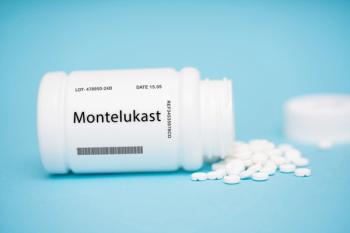
Researchers at Northwestern University have uncovered a surprising new role for montelukast that could reshape how oncologists approach immunotherapy resistance.

Heavy marijuana smoking may increase lung cancer risk, with cannabis use disorder linked to higher odds of small cell and non–small cell disease.
Diana Isaacs, PharmD, BCACP, BC-ADM, CDCES, FADCES, FCCP, explores the most significant advancements in continuous glucose monitoring (CGM) and automated insulin delivery in 2026.

Pharmacy Times interviews Sarah Spark, MHA, MBA, Director of Clinical Data Quality at Ontada, on how clinically relevant edit checks are improving the accuracy and reliability of real-world oncology data to better support clinical decision-making, research, and patient outcomes.

FACT-accredited centers vs nonaccredited centers may influence CAR T-cell therapy outcomes.

The drug is currently under priority review by the FDA with a final decision expected by June 16, 2026.

Ashlan Kunz Coyne, PharmD, MPH, discusses treating Pseudomonas–Stenotrophomonas coinfections, co-culture insights, and smart empiric therapy amid rising resistance.
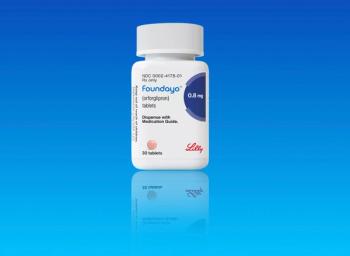
New once-daily oral GLP‑1 agonist cuts hemoglobin A1c and drives 5% to 10% weight loss—with no fasting rules—expanding options for obesity and diabetes care.

Three psychiatric pharmacists highlight trends in psychiatric pharmacotherapy that were shared at the AAPP 2026 Annual Meeting.
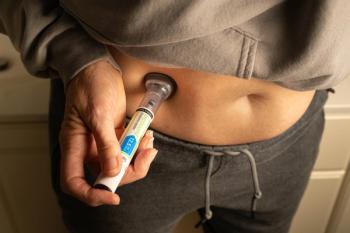
OTC GLP-1 boosters are marketed for weight loss, but pharmacists should help patients distinguish evidence-based care from supplement claims.

Emerging data support less intensive antithrombotic strategies for LVADs that could reduce bleeding complications without compromising thromboembolic protection.

The findings emphasize the growing role of precision oncology and integrated EHR infrastructure in expanding access to targeted therapies.
Pharmacists push antimicrobial stewardship into clinics and long-term care, tackling antifungal resistance, rapid diagnostics, vaccines, and public health leadership.

TrumpRx lists 600+ generic drugs with live cash prices, helping patients beat co-pays and sidestep PBMs amid rising drug prices.

Empowered pharmacy technicians strengthen adherence and support safer, smoother patient care.

A large analysis found that measurable declines in processing speed, global cognition, and executive function began up to 8 years before a cardiovascular event.

Emerging evidence surrounding GLP-1 receptor agonists and progestin therapies could influence preventive care strategies and endometrial cancer risk reduction in high-risk patients.
Jennifer Goldman, PharmD, CDCES, BC-ADM, FCCP, discusses how continuous glucose monitoring (CGM) technology and automated insulin delivery systems are transforming pharmacists’ roles.

Pharmacy Times interviews Helen Latimer, MPH, about new real-world data examining racial disparities and evolving trends in HRR genetic testing among patients with metastatic prostate cancer and the implications for equitable access to precision oncology care.
Natalie Bellini, DNP, FNP-BC, BC-ADM, explains why continuous glucose monitor (CGM) persistence so often breaks down after initiation and how pharmacists can intervene at the point of dispensing.

Kunz Coyne expresses interest in antimicrobial stewardship discussions at the joint MAD-ID/SIDP meeting as clinicians continue refining their role in practice.