

Expert highlights the benefits of early combination therapy in hypertension management, emphasizing improved blood pressure control and reduced side effects.
Expert highlights the benefits of early combination therapy in hypertension management, emphasizing improved blood pressure control and reduced side effects.
New research highlights the benefits of combining lutetium PSMA 617 with standard treatments, showing improved outcomes for prostate cancer patients.

Heart failure prevention can be integrated into health systems to optimize care.

Only Humans Can Ensure AI Is Ethical and Unbiased

Talquetamab shows promising efficacy in heavily pretreated patients with relapsed/refractory multiple myeloma, reinforcing its role in advanced treatment strategies.

Semaglutide shows significant weight loss and reduces obesity-related health risks, offering a promising solution for effective weight management.
Expert reveals ongoing disparities in heart valve disease care, stressing the need for improved diagnosis and treatment equity for vulnerable populations.

Boehringer Ingelheim showcases its commitment to cardio-kidney-metabolic research, highlighting innovative therapies and advancements at AHA 2025.

Discover how emerging therapies in cardio-kidney-metabolic health reshape disease management at AHA 2025, highlighting interconnected health pathways.

The new year can present challenges to health-system pharmacy.

Metformin may hinder exercise benefits, impacting blood vessel function and insulin control, raising concerns for diabetes management during physical activity.

At 3 and 9 months, inclisiran reduced low-density lipoprotein cholesterol in patients intolerant to statins or proprotein convertase subtilisin/kexin type 9 (PCSK9) inhibitors at rates comparable with those in placebo-controlled trials.

The Latest Kaiser Family Foundation Employer Health Benefits Survey Has Unsurprising but Consequential Findings
Integrating a pharmacist into multidisciplinary settings allowed for more thorough low-density lipoprotein cholesterol lowering in unique settings.

Pharmacists’ expertise is vital to AI’s safe integration into medication management. A growing array of resources and training supports pharmacists’ engagement with this new technology.

Researchers unveil a pharmacist-led intervention to enhance hypoglycemia management in older adults with type 2 diabetes, improving patient outcomes.

A new wrist-worn accelerometer device effectively monitors activity levels in heart failure patients, revealing critical insights into cardiovascular health.

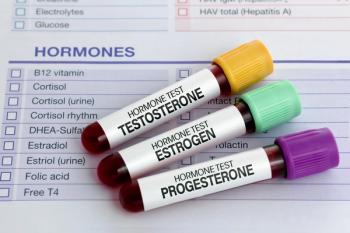
The FDA lifts the black box warning on hormone replacement therapy, empowering women with new options for managing menopause symptoms.
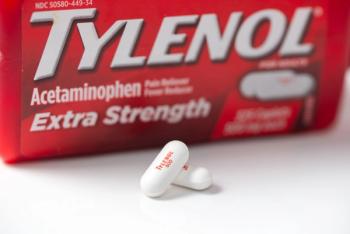
Recent analysis reveals no significant link between maternal acetaminophen use and increased autism or ADHD risk, challenging previous health claims.

Inclisiran significantly enhances LDL-C goal attainment in patients post acute coronary syndrome, improving lipid management outcomes.

A bidirectional relationship was observed between long COVID and cardiovascular disease in survey results presented at IDWeek.

New data from AHA 2025 demonstrate the benefits of pharmacist-led hypertension management in reducing hemoglobin A1c (HbA1c) and blood pressure in minority patients with type 2 diabetes.

Explore the critical role of pharmacists in improving cardiovascular health and addressing mortality trends in underserved communities.

A new drug, DR10624, shows promise in reducing triglycerides and liver fat, offering hope for patients with severe hypertriglyceridemia and fatty liver disease.

Shoa Clarke, MD, PhD, discusses the need for improved cholesterol testing and treatment in young adults, emphasizing the vital role of primary care teams and pharmacists in early intervention and adherence.

Explore the link between chronic kidney disease and cardiovascular risk, highlighting the importance of GFR and albuminuria in patient care.

Explore the need for integrated approaches in cardiovascular and kidney health to combat rising mortality rates and improve patient outcomes.
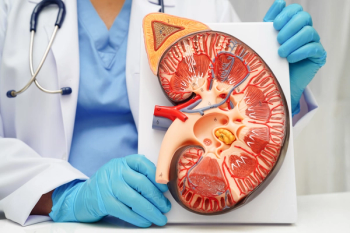
Experts at AHA 2025 advocate for integrated care in T2D and CKD, emphasizing cardiovascular risk management to enhance patient outcomes.

Discover how Sotatercept impacts cardiovascular health and its potential benefits for patients with pulmonary arterial hypertension (PAH) in this insightful article.