

The Emerging Practice Model Is Having a Moment in Popular Culture. What Is It and What Is the Role of Pharmacy?
The Emerging Practice Model Is Having a Moment in Popular Culture. What Is It and What Is the Role of Pharmacy?
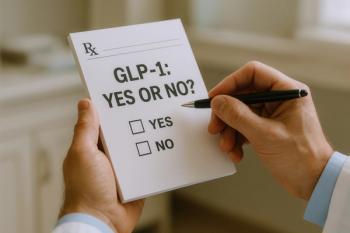
Pharmacists debate the effectiveness and ethics of GLP-1 agonists for pediatric obesity, highlighting the need for balanced treatment approaches.

Oral SERDs and combination therapies are redefining post-CDK4/6 treatment in HR+/HER2– metastatic breast cancer.
Explore innovative supplemental screening options for breast cancer, enhancing access and accuracy for women with dense breasts and inconclusive mammograms.
Discover how innovative imaging detection methods, including MRI and proteomics, enhance breast cancer screening and support pharmacists in patient care.

Pharmacy leaders navigate complex compliance challenges, budget constraints, and evolving technology to enhance safety and efficiency in compounding practices.

IV compounding robotics enhance safety, reduce drug shortages, and improve efficiency in hospital pharmacies, driving a shift towards automation.

Pharmacists explore AI's transformative potential, evaluating its applications and ensuring ethical integration to enhance patient care and pharmacy operations.

Exploratory analysis shows 1 in 4 patients maintain a long-term response to ribociclib.

Teclistamab combined with daratumumab and hyaluronidase shows significant efficacy in relapsed multiple myeloma, potentially redefining treatment standards.

Pharmacists leverage sodium-glucose cotransporter 2 (SGLT2) inhibitors to improve interconnected cardiovascular-kidney-metabolic (CKM) syndrome outcomes through holistic, patient-centered care.

New long-term data reveal avapritinib's impressive efficacy and safety in advanced systemic mastocytosis.

Economic factors are driving sterile injectable drug shortages, but collaborative strategies can enhance health care industry resiliency.

Explore the advancements and challenges of allogeneic CAR T-cell therapies, including immune rejection and innovative engineering strategies for cancer treatment.

Pharmacists can enhance patient care through integrated treatment strategies.

Specialty pharmacy services are helping improve IBD care by supporting patient education, access, and confidence in biosimilars

The Isa-VRd regimen shows consistent efficacy results across all age and frailty levels in patients with newly diagnosed multiple myeloma.

Pharmacists play a vital role in preventing maternal and neonatal mortality by understanding pregnancy-specific medication needs and emergency care strategies.


Fitusiran and concizumab are transforming treatment options and patient outcomes in hemophilia A and B with or without inhibitors.

Pharmacy evolved in 2025, showcasing pharmacists' vital roles, expanding services, and embracing technology while facing challenges and opportunities ahead.

Rural hospitals face a crisis, but pharmacists can expand services to alleviate the uninsured patient burden and enhance community health.

FDA approves Omisirge, the first cell therapy for severe aplastic anemia, offering hope for patients lacking donor matches and improving recovery rates.

Multidisciplinary approaches are crucial in treating complex cancer patients, focusing on tailored therapies and symptom management strategies.
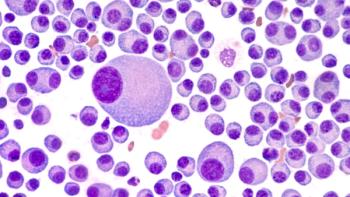
Pharmacists play a crucial role in optimizing CAR-T therapy outcomes by guiding bridging therapy decisions and enhancing patient safety through proactive collaboration.

Pharmacist-led refill authorizations enhance outpatient care, reduce physician burnout, and streamline pharmacy management in health systems, improving patient satisfaction.

Pharmacists enhance multiple myeloma care by managing cytokine release syndrome and advocating for safe vaccination strategies at ASH 2025.