In the phase 2 ZUPREME 1 trial, the once-weekly amylin analog was well tolerated, with nausea mostly mild and limited to dose escalation.
Pharmacy leaders navigate complex compliance challenges, budget constraints, and evolving technology to enhance safety and efficiency in compounding practices.
At the 2025 American Society of Health-System Pharmacists (ASHP) Midyear Clinical Meeting & Exhibition, Pharmacy Times met with Annie Lambert, PharmD, BCSCP, clinical program manager for compliance solutions at Wolters Kluwer, to discuss the growing challenges health systems face in compounding compliance, documentation demands, and budget constraints. Increased scrutiny tied to glucagon-like peptide-1 (GLP-1) compounding has placed heightened pressure on pharmacies to maintain readiness and ensure product safety. Early artificial intelligence (AI) tools are beginning to support monitoring and documentation but still require a “trust but verify” approach to ensure accuracy. Looking ahead, Lambert noted that hospitals should watch for advancements in complex compounding support, centralized service models, and expanded uses of extended beyond-use dating.
Pharmacy Times: From Wolters Kluwer’s work in compounding safety and compliance, what are the most urgent challenges health systems face today?
Annie Lambert, PharmD, BCSCP: It's an ongoing struggle to maintain compliance. I think now that we are two years into the new USP standards, we're getting into some of those nitty-gritty details of compounding compliance and safety. What does it really mean to be compliant? Surveyors and inspectors are definitely asking different or harder questions. There's also a lot of documentation to keep up with, whether that's competency schedules or the increased frequency of compliance tasks. The day-to-day maintenance is a lot of work, and much of it falls on the designated person responsible for oversight and keeping up with everything. Surveyors and inspectors look to that role for accountability and oversight.
Beyond the day-to-day work, the bigger challenges include battling for budget—whether for a clean room renovation or refresh, especially if remodels were completed earlier in the USP update cycle and now show wear and tear. We are also hopefully able to move into some technology implementation, which might include IV workflow systems, AI systems, continuous monitoring, and integration. But all of these require money and resources, and competing for budget among other priorities is a major challenge for health-system leaders today.
Pharmacy Times: How has the GLP-1 compounding surge shifted expectations for oversight and documentation in health-system pharmacies?
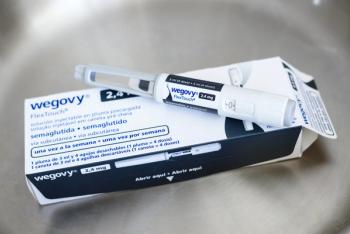
Lambert: Compounding has been in the spotlight for the public and for providers, bringing compounding pharmacies to center stage as well. Health systems are less directly involved in the GLP-1 compounding space but do treat patients on GLP-1s—whether compounded or manufacturer-provided. This can introduce challenges in caring for these patients, such as polypharmacy or treatment considerations for medication adverse effects. The concerning part is the gray-market components or potentially contaminated product. That's where health systems tend to be impacted. More broadly, the increased regulatory scrutiny from GLP-1 headlines means all compounding pharmacies must be inspection-ready at all times.
Pharmacy Times: As AI begins automating monitoring and documentation, what changes do you expect in compounding accuracy and workflow efficiency?
Lambert: It's early days of integrating AI into compliance documentation and monitoring systems, but it is helping augment those processes and will hopefully improve accuracy and efficiency for day-to-day operations and the designated person. It helps with keeping track of things and automating notifications. However, because it's still early, we need to “trust but verify” both the inputs and outputs of these systems. We must understand what's going in and what's coming out, especially as we develop new AI tools and models.
The flip side is that humans are still involved in the process. Part of “trust but verify” is visually observing processes and personnel for compliance. It's a combination of high-tech and high-touch approaches.
Pharmacy Times: Ahead of Wolters Kluwer’s advanced compounding updates at ASHP, what key trends should hospital pharmacists be watching?
Lambert: We're excited to round out our Simplify Pharmacy Compliance suite with additional features to support the most complex and high-risk compounding. This may include non-sterile-to-sterile compounding, extended beyond-use dates, or category three compounding. Hospitals should consider the benefits of these processes, such as decreased waste and economies of scale with larger batches. I anticipate more health systems will look to centralized service centers to meet high-volume demands and consolidate functions for greater quality and oversight. This then leaves immediate-use or more limited compounding to areas with less environmental control, helping align risk with the appropriate level of facility and staffing.