

Emerging evidence supports the use of psilocybin in palliative care, yet Schedule I status uniquely limits access outside of clinical trials in the US.
Emerging evidence supports the use of psilocybin in palliative care, yet Schedule I status uniquely limits access outside of clinical trials in the US.

Data from the STEP UP trial support semaglutide 7.2 mg as a well-tolerated option for patients who need greater weight reduction.

Pharmacists can guide the appropriate use of nonprescription therapies, reinforce recommended prevention strategies, and encourage patients to seek medical evaluation when warranted.
FDA approval brings the first all-oral AML combination therapy, decitabine/cedazuridine with venetoclax, for older or unfit patients, cutting clinic visits.

Phase 1b data show zongertinib delivers durable first-line responses in HER2-mutant NSCLC, including brain metastases, with manageable safety.

The commissioner's sudden departure leaves the agency navigating a crowded agenda of unresolved policy questions—many with direct implications for pharmacists and their patients.
FDA approves sonrotoclax for patients who have received at least 2 lines of systemic therapy, including a Bruton tyrosine kinase inhibitor.

Newborn vitamin K shot refusals rise, boosting bleeding risk; learn neonatal safety facts and how the vitamin K shot prevents deadly VKDB.

As medetomidine rapidly displaces xylazine as a fentanyl adulterant, pharmacists must recognize its distinct toxidrome, understand why naloxone alone is insufficient, and support updated harm reduction strategies in an increasingly complex overdose landscape.

Pharmacy Times interviews Benjamin Kematick, PhD, BCACP, BCPMP, and explores the safety profile of Levorphanol compared with methadone, including potential reductions in risks such as accumulation, QT prolongation, and drug interactions, as well as its implications for clinical workflows and the pharmacist’s role in supporting safe opioid rotation, monitoring, and patient counseling.

Darren Triller, PharmD, makes the case for system-level solutions over individual clinical effort, introducing the ADAPT framework
Pharmacy Times interviews Benjamin Kematick, PhD, BCACP, BCPMP, and examines how levorphanol compares to methadone in pharmacology and clinical efficacy, as well as the key evidence supporting its use and the practical barriers clinicians face when transitioning between the two agents in complex pain management.
A new JAMA study links GLP-1s like Wegovy, Ozempic, Zepbound, and Mounjaro to better breast cancer survival, lower recurrence, and weight loss benefits.
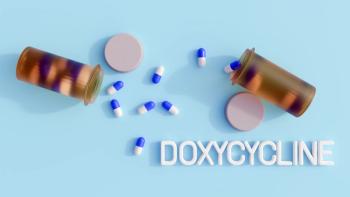
Recent randomized trials and CDC guidance support doxycycline postexposure prophylaxis as a targeted strategy to reduce bacterial STIs in high-risk populations.

The study authors also emphasized that close monitoring during gabapentinoid treatment is necessary, and concomitant use with opioids or benzodiazepines should be avoided.
Rhonda Monroe discusses her harrowing journey as a 3-time heart attack and stroke survivor, highlighting the critical importance of patient self-advocacy.

Makary's 13-month tenure ends after clashes with the Trump administration over flavored vape approvals, mifepristone policy, and broader agency management.

Inflammation fuels residual ASCVD risk; survey reveals hs-CRP testing gaps, persistent angina, and new therapies for cardiovascular health.

Integrated pharmacist-led care models help to improve diabetes outcomes, expand CGM use, and reduce costs through proactive, multidisciplinary patient management.

PMOS to replace PCOS, highlighting metabolic and endocrine roots and a 3-year global rollout aimed at faster diagnosis and better care.
Pharmacy Times interviews Benjamin Kematick, PhD, BCACP, BCPMP, and explores the clinical scenarios and patient populations that prompted the consideration of levorphanol as a methadone-sparing option in complex pain management.

Hirsch shows how mentorship and networks shape a pharmacist-scientist, driving infectious disease research and fosfomycin breakthroughs.

Animal pharmacy protects both farm animals and family pets through responsible medication use, compounding, and collaboration among vets, pharmacists, and owners.

A study finds that nearly half of older adults with mNSCLC do not receive treatment despite major advances in immunotherapy and targeted therapies that can improve survival and quality of life.

Marilyn Bulloch, PharmD, discusses the persistent burden of hepatitis B, evolving adult vaccination recommendations, and how pharmacists can improve vaccine uptake through accessible, stigma-free patient counseling.

Pharmacy technicians are essential for navigating access barriers, addressing misconceptions, and supporting adherence in obesity care.

The ACACIA-HCM trial marks the first time a therapy has shown statistically significant improvements in exercise capacity and symptom burden in patients with non-obstructive hypertrophic cardiomyopathy.

Health systems are being pushed to fundamentally rethink how to support medication safety, regulatory compliance, and patient care with fewer resources.

Ketamine, an NMDA receptor antagonist, is increasingly being used in low-dose infusions as a multimodal, opioid-sparing strategy for patients with refractory acute and chronic pain.

Outpatient infusion and specialty pharmacy pharmacists drive safe, cost-effective oncology and chronic-care expansion, from biosimilars to community access