

Metabolic dysfunction-associated steatotic liver disease (MASLD) affects 1.3 billion people globally, driven by metabolic disease trends, highlighting urgent needs for earlier detection, prevention, and pharmacist-led intervention.
Metabolic dysfunction-associated steatotic liver disease (MASLD) affects 1.3 billion people globally, driven by metabolic disease trends, highlighting urgent needs for earlier detection, prevention, and pharmacist-led intervention.

For student pharmacists, patient advocacy begins long before graduation.
Pharmacists are central to implementing bispecific antibody therapies through clinical expertise, operational leadership, and care coordination.
Fran Gregory, PharmD, outlines the expanding landscape of advanced therapies and the pivotal role specialty pharmacies play in bringing these complex treatments to community-based providers and patients.
Pharmacists support evidence-based treatment decisions, coordinate multidisciplinary care, and optimize precision oncology outcomes.

In a session at the Asembia AXS26 Summit, Harry Travis discusses how AI is transforming every step of the prescription process faster than the profession is prepared for.
Integrated EMR systems and coordinated pharmacy operations can streamline biomarker-driven treatment decisions and improve patient outcomes.

Symptom-based dosing reduced time to medical readiness for discharge compared with scheduled opioid, without increasing short-term safety risks.

Pharmacy learner–led opioid overdose and naloxone training significantly improved community preparedness and confidence in responding to opioid overdoses.

Pharmacists play a crucial role in the treatment of patients with chronic myeloid leukemia (CML) taking tyrosine kinase inhibitors.
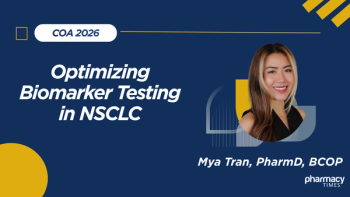
Pharmacists can help standardize biomarker testing and improve access to targeted therapies in non–small cell lung cancer.
The approval follows positive results from a phase 3 randomized withdrawal trial.
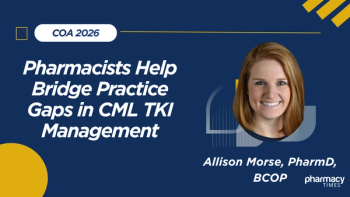
Pharmacists can help optimize TKI therapy in CML through education, adherence support, toxicity monitoring, and collaboration with care teams.

CAR T drives deep remissions in myeloma and lymphoma, but payers, staffing, and hospital partners shape timely community access.

NABP’s new uniform pharmacy law exam streamlines multistate licensure, reshapes MPJE prep, and speeds pharmacist mobility in 2026.
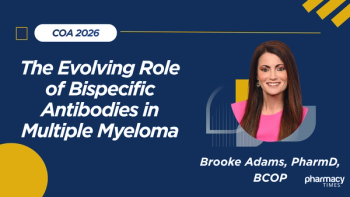
Bispecific antibodies are reshaping multiple myeloma care through improved safety and expanded outpatient use.

At AXS2026, pharmacy and health care leaders explored how AI is transforming specialty care and why standards, trust, and oversight must keep pace with innovation.
Integrated health plan–provider collaboration enables pharmacists to drive proactive diabetes management, improve adherence, and expand access to CGM and lifestyle support.
2026 dyslipidemia guideline updates highlight earlier risk-based lipid management, expanded biomarker use, and a growing pharmacist role in cardiovascular prevention.

The rare disease space is an area where scientific rigor meets genuine human impact.

The cellular FLICE-like inhibitory protein (cFLIP) is a critical regulator of extrinsic apoptosis and essential driver of diffuse large B-cell lymphoma pathogenesis.
Craig Beavers and Kyle Fischer debrief on key late-breaking cardiovascular trials from the 2026 American College of Cardiology Scientific Sessions.
This new podcast will explore therapies, trends, and clinical decisions shaping neurology from a pharmacist's point of view.

Cannabis use is common among patients receiving medications for opioid use disorder and is associated with higher rates of anxiety and other comorbid symptoms.

Oncology pharmacists should weigh lung cancer and diet data, probing pesticides as a possible factor in young nonsmokers.
Combining AI-driven insights with human-first outreach can overcome the emotional and behavioral barriers driving specialty medication nonadherence.
The FDA expands teplizumab-mzwv use to ages 1+ with stage 2 type 1 diabetes, detailing PETITE-T1D safety, EBV/CMV precautions, and pharmacist support to delay onset.


Two studies presented at the World Congress of Nephrology 2026 highlight nonpharmacological strategies that may help preserve kidney function in at-risk populations.

Pharmacists drive acne management by choosing proven OTC ingredients, coaching skin care routines, debunking trends, and knowing when to refer patients to specialists.