

Biological sex and societal gender factors independently—and differently—influence TBI mortality, discharge destination, and long-term cognitive recovery.
Biological sex and societal gender factors independently—and differently—influence TBI mortality, discharge destination, and long-term cognitive recovery.
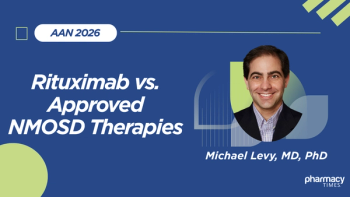
Despite the availability of 4 FDA-approved biologics, the majority of NMOSD patients remain on off-label rituximab.

The menopausal transition alters brain circuitry and estrogen signaling in ways that may elevate risk for Alzheimer disease.

Sex and gender differences remain critically underrepresented in traumatic brain injury clinical guidelines.

Veterinary pharmacy blends human drug expertise with species-specific dosing, compounding, and One Health collaboration.

High pneumococcal community-acquired pneumonia burden in older adults highlights the critical role of pharmacists in driving 21-valent vaccine uptake and patient-centered prevention strategies.

FDA clears an oral TYK2 blocker for active psoriatic arthritis, delivering strong ACR20 gains with a familiar safety profile.

There is an increasing interest in de-escalation strategies for HER2-positive breast cancer aimed at decreasing toxicity exposure while maintaining efficacy.


EPCORE trial data show epcoritamab plus lenalidomide and rituximab delivers responses in relapsed/refractory follicular lymphoma with outpatient dosing.

Walgreens pilots hybrid pharmacists—4 days in-store, 1 day remote—seeking less burnout and more steady staffing.

McCreary and Dudley emphasize the role of pharmacists when optimizing antimicrobial use, supporting patient care across diverse settings, and driving education, research, and policy.

Gwen Nichols shares her dream of changing the landscape of pediatric cancer research and care.

Cone Health Cancer Center pharmacists lead bispecific T-cell engager rollout, boosting local access to care.
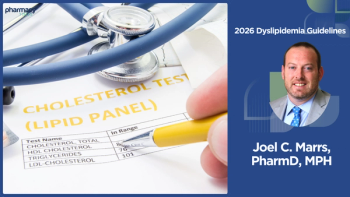
Pharmacists play a central role in shared decision-making by guiding patients through lipid-lowering options, cost considerations, and ongoing monitoring aligned with updated dyslipidemia guidelines.

Experts describe how infectious disease pharmacists drive antimicrobial stewardship, tackle resistance, and shape global training as SIDP marks 35 years.

Walgreens’ hybrid pharmacist pilot is delivering early positive results while serving as a foundational element of a broader workforce modernization strategy.

Pharmacists and students must stay up to date on vaccine recommendations amid changing guidelines.
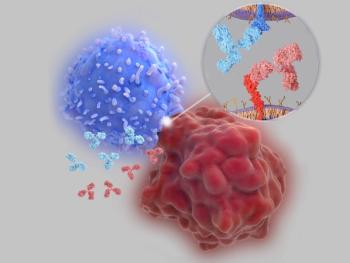
Adjuvant PD-1/PD-L1 inhibitors improve disease-free and metastasis-free survival in patients with solid tumors but require careful patient selection.

When performed appropriately, medication reconciliations can reduce discrepancies from as high as 70% to as low as 15%.


COVID-19 infection may create lasting changes in the lung microenvironment—particularly through thymidine phosphorylase–driven pathways—that could increase the risk of lung cancer over time.

Anthony Blaszczyk, PhD, explains the intricacy of CGT manufacturing demands, best practices, and how USP is supporting developers.

Post–COVID-19 access gaps fuel unsafe, unregulated Botox and cosmetic injections; trained pharmacists can deliver regulated botulinum toxin injectables through voluntary specialization.

This decision builds upon the drug’s initial approval for adult patients and introduces a new therapeutic option for clinicians treating pediatric populations with rapid heart rate disturbances.

WHI data link radon exposure to higher ovarian cancer risk and deaths; learn how home testing may reduce cancer risk in high-radon areas.

Beyond memantine's approved use in Alzheimer disease, emerging evidence highlights a possible role for it in select epilepsy cases.
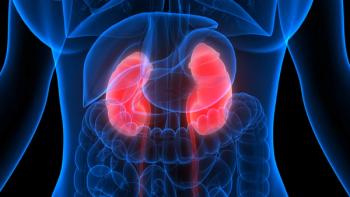
The indication is to reduce proteinuria in adults and children aged 8 years and older with focal segmental glomerulosclerosis (FSGS) without nephrotic symptoms.

Walgreens’ hybrid pharmacist model combines in-store and centralized responsibilities to improve workforce flexibility.

Emerging therapeutic options represent a new age for treatment of high-risk non–muscle invasive bladder cancer.