
Jeremy Johnson, PharmD, on how oral and injectable proprotein convertase subtilisin/kexin type 9 (PCSK9) inhibitors are helping high-risk patients hit LDL targets statins alone can't reach.
Jeremy Johnson, PharmD, on how oral and injectable proprotein convertase subtilisin/kexin type 9 (PCSK9) inhibitors are helping high-risk patients hit LDL targets statins alone can't reach.
Jennifer Griffin, PharmD, MS, outlines a listening-first approach to vaccine-hesitant patients and explains how delegating immunizations and non-clinical tasks to trained technicians has transformed her pharmacy's workflow.

Framing systemic inflammation as a “slow burn” helps patients see why SGLT2 inhibitors and GLP-1s work across diabetes, heart failure, and CKD.

Chronic kidney disease (CKD) in diabetes is often caught late. Standardized eGFR and UACR screening plus thoughtful sequencing can slow progression and cut CV risk.
From dietitian referrals to setting realistic weight-loss expectations, Cornell maps the pharmacist's place on the MASLD team.

UNC Health's Stacey Cutrell breaks down the PREVENT calculator, secondary-cause screening, and special-population guidance for pharmacists.
Jennifer Griffin, PharmD, MS, discusses how pharmacists' accessibility and trust position them to fight vaccine misinformation and help close a coming gap in health care access as physician shortages loom.

Andrew Bzowyckyj, PharmD, explains how the CKM framework turns albuminuria, ejection fraction, and inflammation into patient-specific risk stratification.

From double-dipping GLP-1s to off-label pioglitazone, Susan Cornell, PharmD, breaks down where the metabolic dysfunction-associated steatotic liver disease (MASLD) drug evidence stands today.
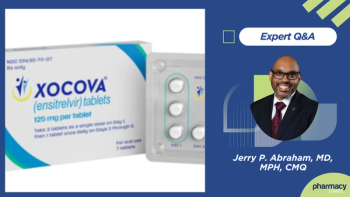
Jerry P. Abraham, MD, MPH, CMQ, discusses the persistent risks of COVID-19 and how a newly approved postexposure prophylaxis option is reshaping pharmacists' role in prevention.

Jessica Lewis-Gonzalez, PharmD, BCOP, discusses how pharmacists can layer mediator-symptom management with cytoreductive or targeted therapy in systemic mastocytosis (SM) and interdisciplinary communication.
Craig Beavers, PharmD, discusses a new American College of Cardiology expert consensus decision pathway that shifts HFpEF management from ejection fraction alone toward phenotype-driven diagnosis and treatment.
A new machine learning version of the Martin-Hopkins equation matches the original's accuracy while making implementation easier for laboratories.

Jerry P. Abraham, MD, MPH, CMQ, discusses why COVID-19 prevention strategies, including ensitrelvir for postexposure prophylaxis, remain essential for protecting vulnerable patients amid persistent summer transmission.
Jerry P. Abraham, MD, MPH, CMQ, discusses how ensitrelvir's new post-exposure prophylaxis indication gives pharmacists a critical 72-hour window to help prevent COVID-19 in high-risk patients.

AI-enabled scheduling, multidisciplinary coordination, and workflow redesign can help cancer centers manage growing patient volumes without compromising safety or workforce well-being.

In the first episode of Pharmacy Focus: Financial Wellness, host Tim Ulbrich, PharmD, introduces the podcast’s mission to help pharmacy professionals manage their finances confidently and build a life aligned with their values.
Advance verification, multidisciplinary coordination, and AI-enabled forecasting can help infusion centers adjust schedules and treatment plans during chemotherapy shortages.
Agitation associated with Alzheimer disease carries clinical challenges, and Auvelity's approval can reshape treatment selection, safety monitoring, and the pharmacist's role.

Hackensack Meridian Health uses a multifaceted approach to diversion auditing and DEA/state reporting requirements, and is beginning to integrate artificial Intelligence (AI) to shift surveillance from a reactive to a proactive process.
Seth Martin, MD, MHS, discusses a simplified machine-learning equation that helps labs deliver more accurate LDL-C results at no cost.

Deepika Nayyar outlines how HMH built a multidisciplinary drug diversion prevention program and shares the core elements any institution needs to detect and respond to diversion effectively.
Brendon Neuen, PhD, MBBS, discusses findings from the FIND-CKD study showing that finerenone benefits patients with nondiabetic chronic kidney disease (CKD) and glomerular disease, as well as those receiving combination SGLT2i therapy.
Jordan Hill, PharmD, BCOP, discusses the expanded first-line role of sacituzumab govitecan in metastatic triple-negative breast cancer and how PD-L1 status informs its use alone or with pembrolizumab.
Oncology pharmacy teams can integrate newly approved breast cancer therapies into practice while addressing operational barriers, monitoring requirements, and financial toxicity.
Erica Marini, PharmD, MS, BCPS, the host of "Mind the Meds," discusses the show's format, guest conversations, and upcoming episodes covering CAR T therapy and a Consortium of Multiple Sclerosis Centers Annual Meeting roundup.
Megan May, PharmD, BCOP, FHOPA, FAPO, discusses unanswered questions surrounding antibody-drug conjugate sequencing, biomarker testing, and medication safety in personalized breast cancer care.
Antibody-drug conjugates, evolving HER2 guidelines, and biomarker-driven treatment decisions are transforming breast cancer care and expanding the oncology pharmacist’s role.
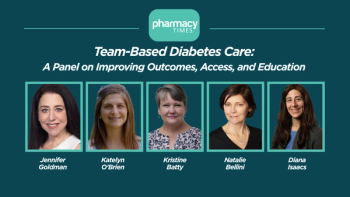
A panel of pharmacists and nurse practitioners discussed how interdisciplinary diabetes teams divide technology education, medication management, and follow-up care.

An expert discusses a JAMA study that shows who depends on the MMRV combination vaccine and how policy shifts may widen gaps—plus how pharmacists keep children on schedule.