
Craig Beavers and Kyle Fischer debrief on key late-breaking cardiovascular trials from the 2026 American College of Cardiology Scientific Sessions.
Craig Beavers and Kyle Fischer debrief on key late-breaking cardiovascular trials from the 2026 American College of Cardiology Scientific Sessions.
A FINEARTS-HF subgroup analysis shows patients with HFpEF and comorbid sleep apnea face a 43% higher adjusted cardiovascular risk.

In a phase 2a trial, the oral NLRP3 inhibitor VTX3232 significantly reduced systemic and liver inflammation markers—including hsCRP and IL-6—independent of weight loss, suggesting a promising new approach to lowering cardiovascular risk in patients with obesity.
A phase 3 trial found that the oral PCSK9 inhibitor enlicitide significantly outperformed existing oral therapies in lowering LDL cholesterol.
Evolocumab produced a 31% relative risk reduction in major cardiovascular events.

SCOUT-HCM trial showed that mavacamten reduced left ventricular outflow tract obstruction in adolescents with obstructive HCM.

The trial's success offers the first robust evidence for targeted pharmacologic intervention in adolescent oHCM.
The CADENCE trial showed that sotatercept reduced pulmonary vascular resistance and improved right ventricular function in CPC-PH.
Finerenone consistently reduces heart failure events and cardiovascular death regardless of ischemic heart disease history, according to the FINEARTS-HF trial.

The KARDINAL trial demonstrated meaningful angiotensinogen reduction with a novel monthly injectable therapy.
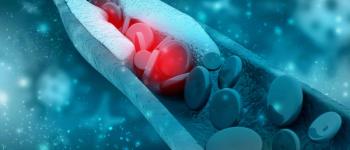
For decades, the medical community has operated under a reactive model for the most potent cholesterol-lowering drugs, largely reserving them for secondary prevention.

The findings emphasize that when it comes to the complex machinery of human blood pressure, more drug is not always better.
The 2026 guidelines bring clinically meaningful updates to specific LDL-C targets, risk calculation, earlier intervention strategies, and expanded use of ApoB.

A community-based initiative is proving that the path to heart health for Black men may not start in a physician’s office, but in the barber’s chair.
Historically, dulaglutide was a preferred choice because it was proven to reduce major adverse cardiovascular events in the REWIND trial.

The RECOVER-AUTONOMIC trial underscores the necessity of better clinical end points to assess interventions in the long COVID population.

CHAMPION-AF may potentially lead to a shared decision-making process between a lifetime of medication and a one-time catheter-based procedure.
Experts Craig Beavers and Kristen Campbell discuss what pharmacists should know heading into ACC 26.

Lepodisiran, a small interfering RNA, demonstrated cholesterol-lowering effects at 16-mg, 96-mg, and 400-mg doses, with the highest dose being the most effective.

These data provide compelling evidence to revise existing transfusion protocols, recommending 4F-PCC as the preferred treatment for hemostatic management in cardiac surgery.
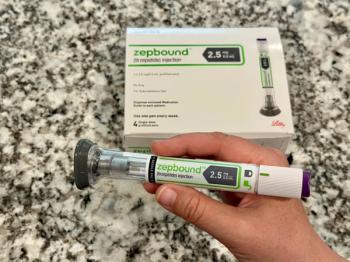
Tirzepatide-treated patients with chronic kidney disease (CKD), obesity, and heart failure with preserved ejection fraction (HFpEF) had improved renal function both by cystatin C and creatinine.
The registry data showed that cardiac magnetic resonance (CMR) was obtained in more clinically complex patients with recurrent pericarditis.
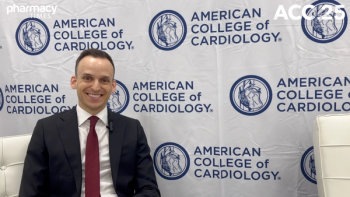
John Ostrominski, MD shares insights into the safety and efficacy of finerenone, based on data from the FINEARTS-HF trial.
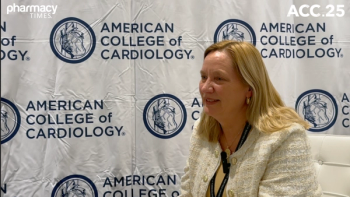
Sarah Spinler, PharmD, FCCP, FAHA, FASHP, AACC, discussed management of atrial fibrillation in patients with cancer.
Host Craig Beavers spoke with several presenters, researchers, and experts about the key data being discussed at the meeting.
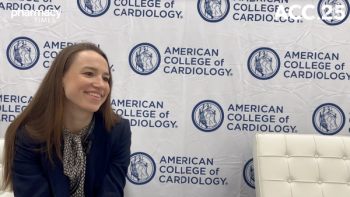
Anna Sophie Mueller, MD discusses how imaging could advance risk identification in cardiovascular care.