
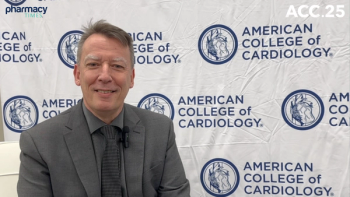
Marc Humbert, MD, PhD, shared data that were presented at the ACC 2025 Scientific Sessions.
Marc Humbert, MD, PhD, shared data that were presented at the ACC 2025 Scientific Sessions.
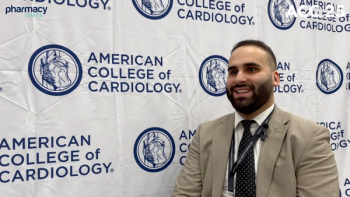
Jawad Butt, MD, offers insight into his analysis of the FINEARTS-HF trial.
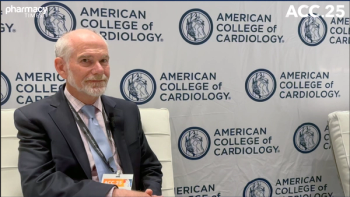
John Buse, MD, PhD discusses the expanding role of GLP-1 receptor agonists in treatment of cardiovascular conditions.

Patients in the treatment group had a 21% lower risk of cardiovascular death or first heart failure hospitalization overall, but the between-group difference did not meet the threshold for statistical significance for this primary end point.
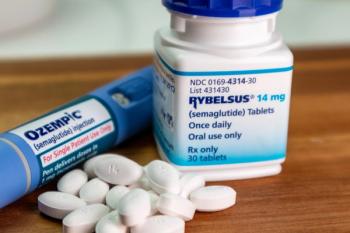
The trial is the first to test the cardiovascular benefits of an oral glucagon-like peptide-1 (GLP-1) agonist.
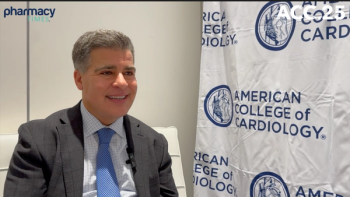
Christian Ruff, MD, highlights abelacimab’s potential to significantly reduce bleeding in patients with high-risk atrial fibrillation.
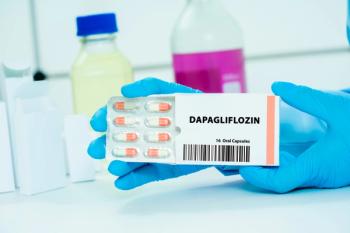
The DapaTAVI study is the first trial of a sodium-glucose cotransporter-2 (SGLT2) inhibitor for valvular disease.

The availability of this option could make physicians more comfortable when prescribing ticagrelor, which could help solve the challenge of undertreatment with antiplatelet therapy.

Rivaroxaban offers more predictable dosing, eliminates frequent blood tests, and is less likely to interact with foods.
The results should lead to a guideline update recommending extended treatment with a reduced-dose anticoagulant in this patient population.

The STRIDE trial was first of its kind to evaluate the use of a GLP-1 agonist in PAD management.
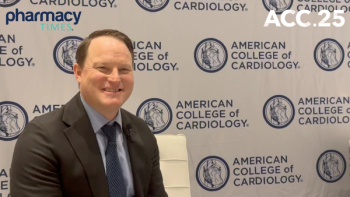
Marc Bonaca, MD, PHH, FACC discussed semaglutide’s potential benefits for non-diabetic patients with peripheral artery disease.

Pharmacy Times will be on-site in Chicago, Illinois from March 29 through 31.

Investigators found that 89% of individuals with cardiovascular disease consumed more than 1500 mg of sodium daily.

Bristol Myers Squibb will also present findings on apixaban (Eliquis) at the American College of Cardiology Annual Scientific Session and Expo.

In March 2024, the label for bempedoic acid was expanded to reduce cardiovascular risk and expand the low-density lipoprotein-C (LDL-C) lowering in both primary and secondary prevention patients.

The finding did not reach statistical significance in the primary composite endpoint.

The abstracts will be presented at the American College of Cardiology Conference from April 6 to April 8, 2024, in Atlanta, Georgia.

The results further confirm earlier findings from the EMPA-KIDNEY trial.

The Librexia program includes 3 concurrent clinical trials, investigating milvexian’s use for ischemic stroke, acute coronary syndrome, and atrial fibrillation

Vaccination rates were significantly higher in study groups who received a letter highlighting the potential cardiovascular benefits of vaccination and who received repeat letters about the importance of flu vaccination in general.

The proportion of patients prescribed high-intensity statin therapy increased by 3.8% across all clinics in the intervention arm.

Study participants without co-pays were slightly more likely to take their medications as prescribed for several medication classes.

Sheldon Litwin, MD, a cardiologist at the Medical University of South Carolina, discussed the significant recent advances in anti-obesity drugs.

Donna Ryan, MD, discussed her presentation about pharmacological approaches for obesity, which patients they are indicated for, and considerations for pharmacists.
The 2022 American Heart Association, American College of Cardiology, and Heart Failure Society of America guidelines recommend SGLT2 inhibitors for nearly all patients in cardiovascular practice.

Although scientists have long been working on anti-obesity medications, several key failures in recent decades have made this a challenge.

Because of the complexities of cardio-oncology medication regimens, pharmacists are vital to assess drug-drug interactions using multiple resources, such as databases, case reports, FDA and National Institutes of Health guidelines, and package inserts.

Findings from the AFFIRM trial found increased risks after stopping oral anticoagulant therapy after rhythm control, and the same is true for stopping treatment with oral anticoagulants after successful ablation.
In an interview with Pharmacy Times, Anastasia Armbruster, PharmD, FACC, BCCP, discussed her presentation at the American College of Cardiology 2023 Scientific Session.