


The rate of type 1 diabetes mellitus among non-Hispanic white youth increased significantly over an 8-year period.
The rate of type 1 diabetes mellitus among non-Hispanic white youth increased significantly over an 8-year period.

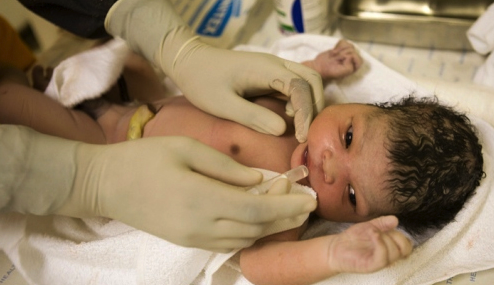
There was a time when drugs were believed to be unable to cross the placenta, as if it were some impenetrable fortress.
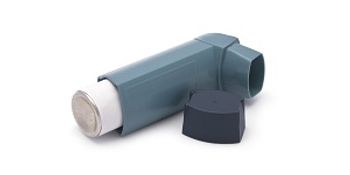
As a result of confusing sensations of breathlessness with asthma symptoms, overweight and obese children tend to report poorer asthma control and overuse rescue medications.

Children infected with enterovirus have a 48% increased risk of developing type 1 diabetes.

In the pediatric hospital setting, pharmacists most frequently perform drug therapy changes on the cancer ward.
The FDA is reviewing a Biologics License Application for the first pediatric combination vaccine designed to help protect against 6 diseases.

The US Centers for Disease Control and Prevention uncovered clusters of high vaccination exemption at the local level, which leaves communities vulnerable to vaccine-preventable diseases.
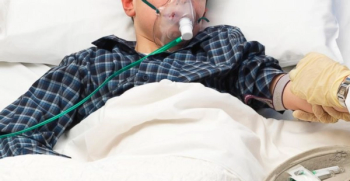
Notable outbreaks over the past 2 decades have qualified enterovirus D68 as an emerging pathogen.

Offering advice on healthy eating and exercise to overweight or obese pregnant women can improve birth outcomes.

The vaccine that prevents illness and death from pneumococcal infection also combats severe antibiotic-resistant disease in young children.

Nearly 700 children across 46 states are now infected with the severe respiratory illness.
Parents who know about the human papillomavirus are not more likely to get their adolescent daughters vaccinated.
The child showed no symptoms of the respiratory virus prior to his death.
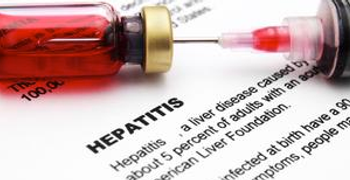
Researchers from Saint Louis University Medical Center will test the safety and efficacy of sofosbuvir and ribavirin in children with hepatitis C.
Four children who recently died have tested positive for enterovirus D68, though it is not yet clear what role, if any, the virus played in their deaths.

ADHD medications are prone to the same abuse, misuse, and diversion as opioids.
Enterovirus-D68 could soon be in the rearview mirror, according to a Hartford, CT, pediatric intensivist who has treated more than 20 children hospitalized with the infection.
In many cases, children between the ages of 6 months and 8 years should receive 2 doses of the influenza vaccine separated by a minimum of 4 weeks.

Influenza boosts the ability of pneumococci to cause middle ear and throat infections.
Respiratory illness now confirmed in 27 states, with significant growth expected in coming weeks.

Clinical pharmacists can reduce anti-epileptic drug (AED) prescription errors that commonly result from incomplete or poor documentation.
Combined with bolus insulin aspart (NovoLog), insulin degludec (Tresiba) improves long-term glycemic control in children and adolescents with type 1 diabetes.

The severe respiratory virus that is hospitalizing children across the United States has now been confirmed in 17 states.

Just a dozen drug ingredients are the culprits behind nearly half of all emergency hospitalizations for unsupervised prescription drug ingestions among young children.

The FDA has granted approval for the use of hemophilia B treatment Rixubis in pediatric patients.