



Analysis assessing data from the world’s largest twin registry also finds evidence that genetic factors for strong headaches may differ between men and women.
Analysis assessing data from the world’s largest twin registry also finds evidence that genetic factors for strong headaches may differ between men and women.

The medication is the first oral therapy specifically to treat the virus evaluated in a pediatric clinical trial.
Effectiveness is estimated at approximately 91% against any SARS-CoV-2 infection and approximately 85% effective against asymptomatic infection, analysis results show.

The decision is informed by the results of a phase 2b proof-of-concept study that assessed the immunogenicity and safety of the drug in healthy pregnant women and their infants.

During spring to fall 2020 related visits to emergency departments declined compared with a year earlier, study results show.
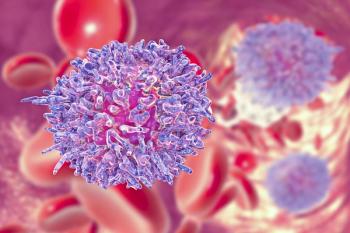
The investigators identified this in 9% of relapsed cases of pediatric acute myeloid leukemia, but it also was present in primary samples.

New study results show that rapidly adding pounds in the first and final months of gestation likely plays a key role in the development of excess fat tissue in female children and adolescents.
New study results show that of those who tested or were presumed positive for SARS-CoV-2, 44% developed neurological symptoms.

Study results show that unvaccinated pregnant women with the disease are more likely to experience poor childbirth outcomes, even if they did not have severe respiratory problems.

Study data showed that increased levels of infection, inflammation, and metabolic alterations frequently observed in people with depression and psychosis may be a cause rather than a consequence of these disorders.
The agency previously granted a priority review for the supplemental new drug application and also approved the drug in 2015 to treat adults.

GeneSight Mental Health Monitor finds that many struggle to know the difference between teenage behavior and a mental health challenge.
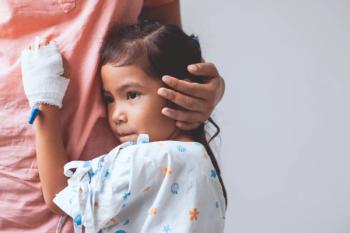
Study results show that these regimens increased the chances of treatment success among individuals aged 3 to 18 years compared to standard therapeutics.

Study results show that fetal cognitive development in the assessed areas was age-appropriate and there was no indication of infection.

Lomecel-B (Longeveron) is an investigational allogeneic, bone marrow-derived medicinal signaling cell medication that is being evaluated in a phase 2 trial.

In a report, the World Health Organization and a partner ask developers, funders, and investigators to accelerate developing a vaccination.

Study shows that about half the pediatric cases were symptomatic compared with 88% for individuals aged 18 years and older.

Linda Mendonça, DNP, RN, PHNA-BC, president of the National Association of School Nurses, discusses a new poll released by the COVID-19 Vaccine Education and Equity Project and the National Association of School Nurses about parents’ plans to vaccinate their school-aged children.
The results of a review by Murdoch Children’s Research Institute finds that pediatric patients who are vaccinated get protection from the long-term effects of the disease.

Investigators observed improvements in inflammation of the cornea and ocular itching among patients receiving Verkazia in both trials.

The condition is not preventable, but there are steps that can be taken to reduce LDL-C levels in children.

Jay Lieberman, MD, a pediatric infectious disease specialist and the senior medical director of PRA Health Sciences, discusses the value of the pharmacist in administering COVID-19 vaccines to adolescents and children.
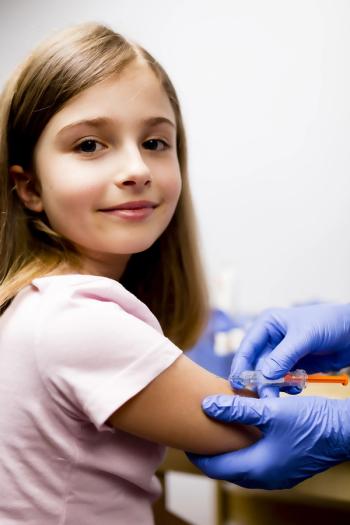
Jay Lieberman, MD, a pediatric infectious disease specialist and the senior medical director of PRA Health Sciences, discusses how health care professionals should approach discussing issues around vaccine hesitancy with parents.

Jay Lieberman, MD, a pediatric infectious disease specialist and the senior medical director of PRA Health Sciences, discusses his decision to enroll his twin daughters in the Moderna COVID-19 vaccine trial.
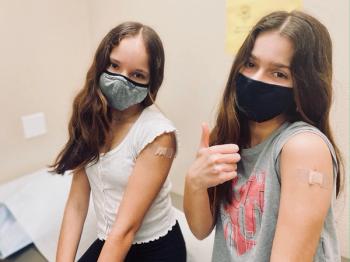
Jay Lieberman, MD, a pediatric infectious disease specialist and the senior medical director of PRA Health Sciences, on the future of COVID-19 disease and vaccines for adolescents and children.