






























































































































As outbreaks occur nationwide, pharmacists should bolster their knowledge about the MMR vaccine and treatment recommendations.
As outbreaks occur nationwide, pharmacists should bolster their knowledge about the MMR vaccine and treatment recommendations.

Two retail pharmacy case studies are presented.

Two shingles vaccines are licensed and recommended in the United States.

Vaccine skepticism, or a hesitancy or unwillingness to get vaccinated or to vaccinate one’s children, may be the result of some people overestimating the likelihood of negative events.

Study finds that there is no benefit associated with performing adult booster vaccinations against tetanus or diphtheria.

Rotovirus infection is a hypothesized risk factor for type 1 diabetes, according to the authors.

The United States now has more than 100 confirmed cases and 10 deaths, according to the CDC.

Top news from across the health care landscape.

Several immunization recommendations were updated for pediatric patients, including haemophilus influenza type b (Hib) vaccination, and Tdap vaccinations.
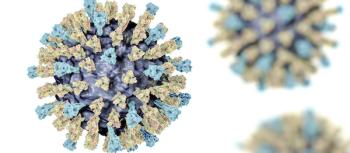
Pharmacists can administer the MMR vaccine without a prescription in most states and US territories.

Pharmacists can ease fears and offer counseling to dispel common misconceptions and myths and help promote immunization.

The CDC is making strides toward better understanding the pneumonia-like coronavirus (2019-nCoV) that originated in Wuhan, China.

Pharmacists should advise patients to get vaccinated at least 1 month before going abroad.

Since 2006, the CDC has tracked increases in cases and outbreaks about every 5 years.

Nearly 1 in 3 individuals do not receive vaccinations against influenza, nor do almost 30% of patients with insurance and access to regular medical care, according to findings presented at the American Heart Association Scientific Sessions held November 2019 in Philadelphia, Pennsylvania.

Pharmacists can protect patient lives by getting more involved in areas of the immunization policy discussion.

The CDC has reported 34800 new cancer diagnoses linked to HPV annually, and the virus is predicted to account for more than 90% of all cervical and anal cancers, more than 60% of all penile cancers, and 70% of all oral cancers.

At the recent ASHP (American Society of Health-System Pharmacists) Midyear Clinical Meeting & Exhibition in Las Vegas, Nevada, 3 speakers discussed new developments in influenza management.

There Is Room for Improvement in Treating Malignancies Caused by Infectious Agents, Especially Considering the Cost Differential

Since 2005, the CDC has enforced National Influenza Vaccination Week to emphasize the importance of continuing flu vaccination even through the winter months. Although it is the holiday season, the CDC and other organizations want to remind the general public that it is never a bad time to get your flu vaccine. Sam Nass, PharmD, MBS and Walgreens Immunizations Manager weighed in on the subject in an interview with Pharmacy Times®.

Pharmacy team members have the amazing opportunity to help ensure that people and communities are protected with proper immunizations during influenza (flu) season and beyond, but they may struggle with identifying patients who may benefit because it can be difficult to gather information from patients.

Perhaps no sector has benefited more from technological advancement than health care, and within that world, community pharmacy is among the biggest beneficiaries.
Community pharmacy-based immunization services have a proven track record for serving patients.

Immunization needs for patients aged 19 to 64 years and afflicted with chronic conditions are often overlooked, and necessitate more attention and resources. Pharmacies traditionally do not focus on this patient population; instead often choosing to focus primarily on the population 65 years and over. However, engaging with patients in the 19- to 64-year-old group could go a long way in helping to fill the current immunization void in this population.

The study evaluated the safety and efficacy of a live, attenuated zoster vaccine patients receiving tumor necrosis factor inhibitor therapies for various indications.