






Flu
Latest News
Advertisement
Latest Videos






CME Content

















Advertisement
More News
With the end of the national public health emergency for COVID-19 in May 2023, what can be expected as we look ahead to the 2023-2024 influenza season and beyond?
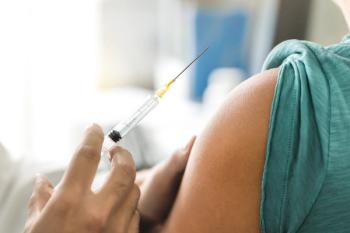
Every pharmacist can make a difference in patients’ lives by taking the time to understand and fulfill the community’s social and cultural needs.
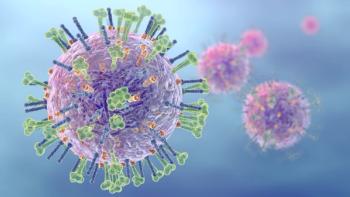
The effectiveness of influenza vaccines varies each season and is determined by the circulating influenza virus subtype(s) and the extent to which there is an antigenic match in the vaccines to the circulating virus subtypes.
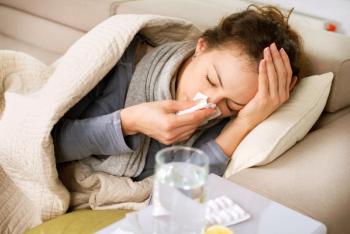
Expanding pharmacist–patient care services to include vaccine promotion and administration within ambulatory clinics is an example of the expanding role of pharmacists and their contribution to primary care practice.
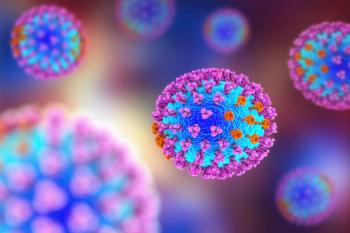
Older adults are vulnerable to severe influenza-associated complications and risks, but influenza vaccines may be less effective in this population.
Preliminary estimates from the 2022 to 2023 season suggest that the burden of influenza is returning to a pre-pandemic level.
Novavax announced the development of a protein-based monovalent XBB COVID-19 vaccine with the intention of it being manufactured and available for the fall vaccination campaign.

Pharmacists who immunize must ensure their knowledge about routine vaccinations for adults and children is up-to-date by reviewing the changes to the immunization schedule each year.

The CDC has recommended a follow-up nucleic acid amplification test to be used for patients clinically suspected to have influenza, despite a negative POC test.

As the summer months approach, pharmacists can offer many services to ensure patients remain safe and healthy during their travels.
The diagnosis should change from an influenza infection if the patient has gradually increasing chest pain after the original diagnosis.

Nanoparticles could improve the solubility of drugs, aid in treatment escape from the immune system, and increase the half-life of drugs in the circulatory system against viral lung infections such as influenza, coronavirus, and respiratory syncytial virus.

At least 150 minutes per week of moderate intensity aerobic activity, or 75 minutes of vigorous intensity aerobic activity found to improve outcomes in patients with flu or pneumonia.
Investigators of the phase 2 study also found a comparable reactogenicity to the individual influenza and COVID-19 vaccines from Novavax or authorized vaccine comparators.
Vaccination is especially important for older adults with any chronic health conditions because vaccines can prevent serious illness and resulting complications down the road.
Study sheds light on the importance of the source of vaccine information and other factors that prevent lifesaving influenza or pneumococcal vaccination.
Arexvy is the first respiratory syncytial virus (RSV) vaccine approved in the United States for the prevention of lower respiratory tract disease caused by RSV in individuals 60 years of age and older.
FDA Approves Prevnar 20 Vaccine to Prevent Invasive Pneumococcal Disease in Children 6 Weeks Through 17 Years
ByPT Staff
Prevnar 20 is a next-generation pneumococcal conjugate vaccine that includes capsular polysaccharide conjugates for the 13 serotypes already included in Prevnar 13.
The test did not reach the World Health Organization’s minimum performance requirement, which is 80% sensitivity for SARS-CoV-2, in the study population.

Staff members, especially immunizers, should look at every encounter as an opportunity to educate, support patients.
Among the participants who were initially unsure or hesitant about vaccination, 82% received flu and Tdap vaccines during pregnancy after the online intervention.
Vaccination rates were significantly higher in study groups who received a letter highlighting the potential cardiovascular benefits of vaccination and who received repeat letters about the importance of flu vaccination in general.

Interventions targeting respiratory viruses should be considered as a means of protecting against invasive pneumococcal disease in children, study finds.

The COVID-19 and flu test is a single-use at-home test kit that uses self-collected nasal swab samples and provides results in approximately 30 minutes.
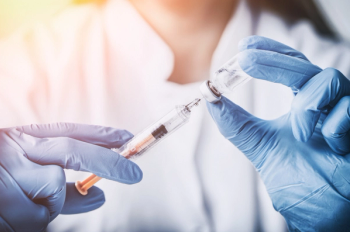
One of the major concerns about getting a flu vaccine is its safety for women during pregnancy.
Advertisement
Advertisement
Trending on Pharmacy Times
1
TrumpRx Launches, Offering Cash-Paying Patients Discounted Drugs
2
Pharmacist Takeover: CAR T Therapy Signals a Shift in ALL Treatment
3
SGLT2 Inhibitors in T2D Lower 5-Year Risk of CKD and Acute Kidney Injury
4
Evaluating Pharmacists’ Role In Veterinary Medication Management and Education
5