



Regular vaccine workflow re-education helps promote standard workflows and prevent vaccine errors.

Regular vaccine workflow re-education helps promote standard workflows and prevent vaccine errors.
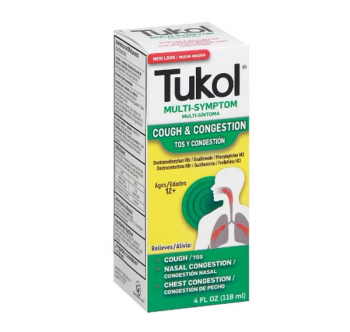
Tukol helps loosen mucus and thin bronchial secretions to drain bronchial tubes.
Experts from the Infectious Diseases Society of America recommend enhanced protection measures against the Omicron COVID-19 variant.
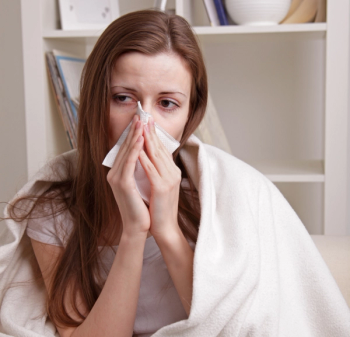
A few key points differentiate between the symptoms of a cold, flu, or possible COVID-19 infection.

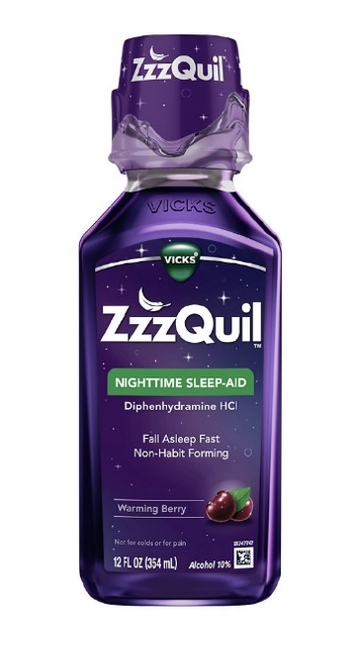
Diphenhydramine is an antihistamine used to relieve symptoms of allergy, hay fever, and the common cold.


Joanna Lewis, PharmD, MBA, discusses practical considerations when selecting over-the-counter medications to treat common cough, cold and flu symptoms.


A new poll shows that this year 64% of individuals between aged 50 and 64 years say they already got or are likely to get their influenza shots up from 54% last year.

Overall vaccine efficacy was 54.6%, which met the pre-specified endpoint for success and showed benefit across 3 influenza seasons and all 8 countries.
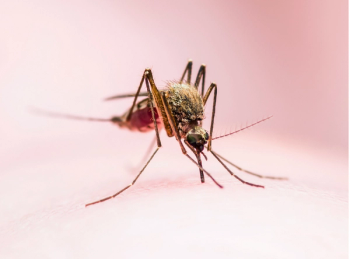
Mild dengue fever causes a high fever and flu-like symptoms.

Walgreens Chief Medical Officer Kevin Ban, MD, said the Walgreens 2021-2022 Flu Index is showing high flu activity in several regions of the country.
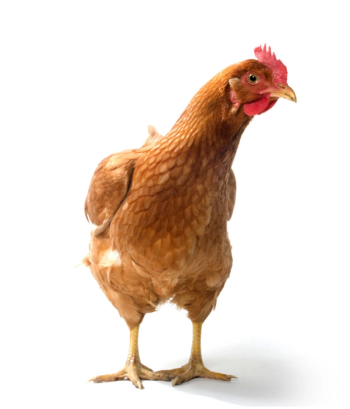
Symptoms of bird flu include cough, fever, sore throat, muscle aches, headache, and shortness of breath.
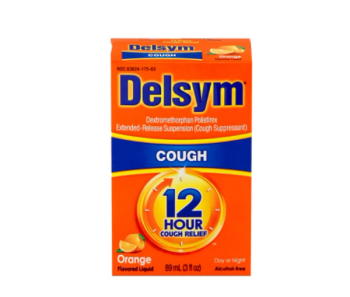
Dextromethorphan works on the part of the brain responsible for the cough reflex.

Study results show that individuals who were vaccinated against the flu were 37% less likely to be hospitalized and 82% less likely to be admitted to the ICU that those who were unvaccinated.

The approval marks the first and only cell-based influenza vaccine approved in the United States.

The study aimed to examine the impact of masking and social distancing practices used to control the spread of COVID-19.

There is a real opportunity for technology to alleviate some of the administrative burdens pharmacists face so that they have more time to focus on patient care.
Samples for the test are isolated from nasopharyngeal swabs, anterior nasal swabs, and mid-turbinate swabs.

Labcorp’s collection kit can simultaneously detect the coronavirus and influenza A/B in individuals aged 2 years and older, and results can be determined in 1 to 2 days.
With the arrival of flu and cold season, note the differences between symptoms for both illnesses.
The researchers noted the importance of maintaining vaccination rates for conditions that can lead to respiratory issues, especially with COVID-19 cases still raising concern throughout the United States.

Laura Lee Hall, PhD, president of the Center for Sustainable Health Care Quality and Equity (SHC), discusses the SHC’s recently released Flu DRIVE Toolkit, which was designed to help overburdened health systems improve flu vaccination rates among vulnerable populations.

Aaron Clark, DO, medical director of value based care at Ohio State University and clinical associate professor of family medicine, discusses vaccine hesitancy and racial disparities around flu vaccinations.