


Cholesterol
Latest News
Advertisement
Latest Videos

Advertisement
More News

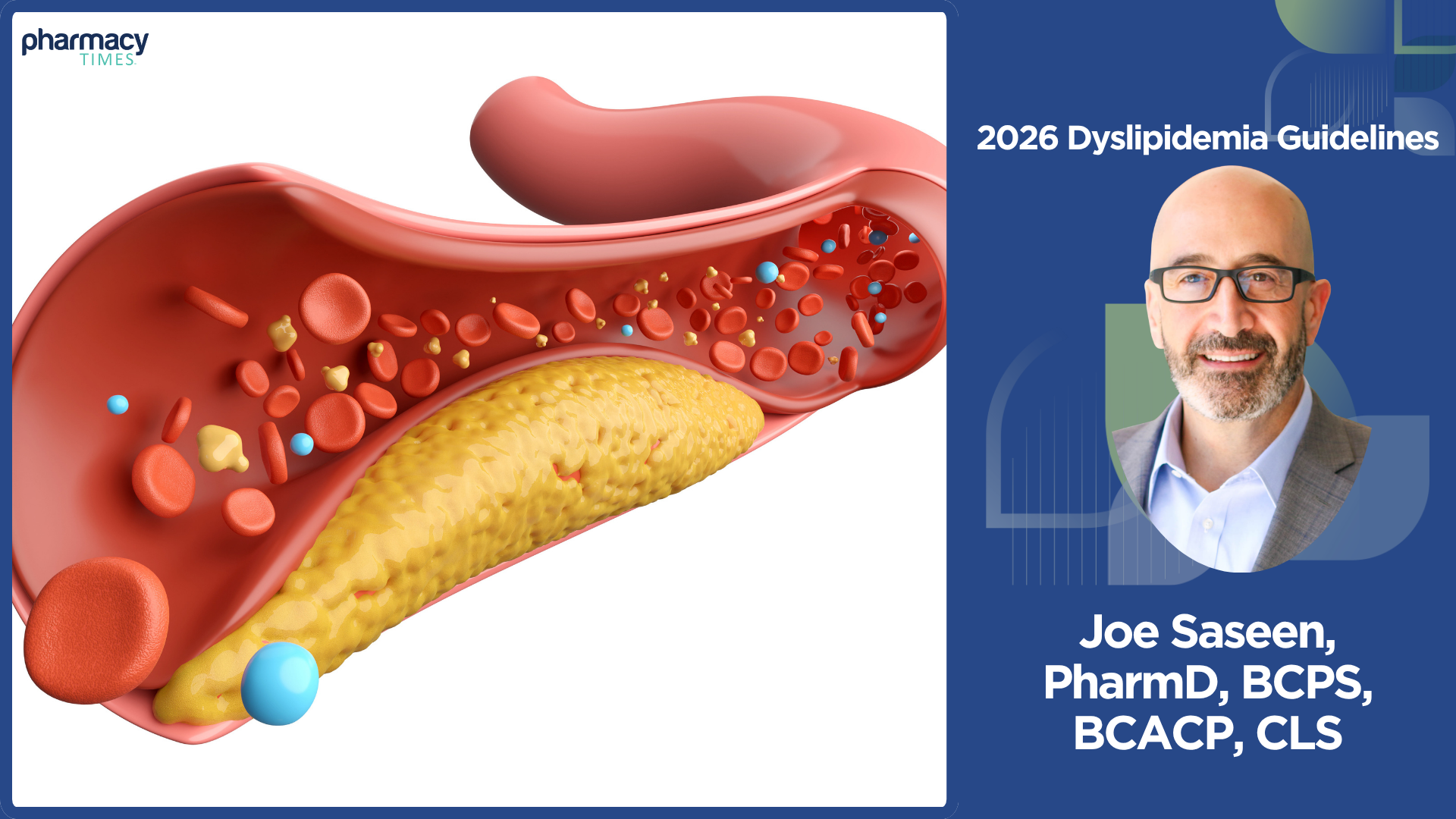
Joseph Saseen, PharmD, breaks down how the new PREVENT ASCVD calculator improves on its predecessor and what the expanded LDL-C goal framework means for treatment decisions in pharmacy practice.
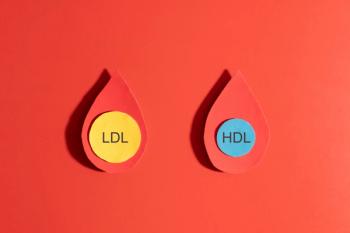
New American College of Cardiology/American Heart Association dyslipidemia guidelines reset LDL goals, add PREVENT risk scoring, and expand Lp(a)/apoB testing for earlier, tougher prevention.
Laxmi Mehta, MD, explains how pharmacists can counsel patients on inherited lipid risk factors like lipoprotein(a) and why combining pharmacologic therapy with lifestyle modification is essential for reducing cardiovascular risk.
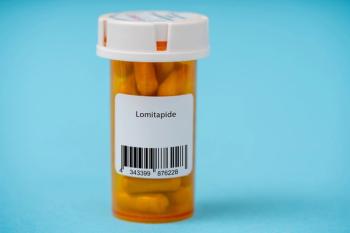
Lomitapide demonstrated substantial LDL cholesterol reductions in a pivotal trial.

Sheryl L. Chow, PharmD, outlines the pharmacist's evolving role in cardiovascular prevention, heart failure management, and medication adherence during American Heart Month and beyond.
Beyond Statins: How Pharmacists Can Help Patients Understand All Their Cholesterol Treatment Options
Laxmi Mehta, MD, discusses widespread patient unawareness of nonstatin cholesterol therapies, common statin misconceptions, and the critical role pharmacists play in bridging the lipid treatment knowledge gap.
Joseph Saseen, PharmD, explains how population health strategies and team-based care create new opportunities for pharmacists to identify lipid treatment gaps and lead evidence-based ASCVD prevention.
Joseph Saseen, PharmD, highlights how pharmacists can close treatment gaps in dyslipidemia by initiating appropriate statin intensity early, using combination therapy when needed, and proactively assessing adherence.
Ann Marie Navar, MD, PhD, explains how enlicitide’s sustained LDL-C lowering, favorable tolerability, and structured dosing may improve adherence and expand oral add-on options for patients not at goal on statins.

The VESALIUS-CV trial demonstrates that adding evolocumab to maximally tolerated statin therapy significantly reduces major cardiovascular events in both high-risk primary and secondary prevention patients.

Full results detailing the safety and efficacy of enlicitide decanoate, an oral PCSK9 inhibitor, were published in The New England Journal of Medicine.
Joseph Saseen, PharmD, explains how persistent cholesterol myths undermine care and why emerging oral proprotein convertase subtilisin/kexin type 9 (PCSK9) inhibitors could expand access to intensive LDL-C lowering.

Multidisciplinary coordination and streamlined workflows enabled rapid patient access to plozasiran after FDA approval at Stony Brook University Hospital.

On Chen, MD; and Tahmid Rahman, MD, join Pharmacy Focus to discuss the world's first commercial administration of plozasiran at Stony Brook Medicine.

Multidisciplinary coordination and streamlined workflows enabled rapid patient access to plozasiran after FDA approval at Stony Brook University Hospital.

Ann Marie Navar, MD, PhD, explains how enlicitide decanoate delivers LDL-C reductions comparable with injectable PCSK9 inhibitors, which could improve access to nonstatin therapy for patients not at goal.
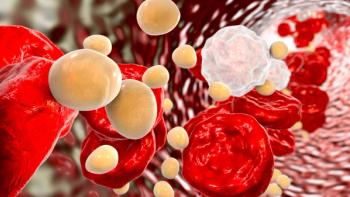
On Chen, MD, and Tahmid Rahman, MD, explain the real-world safety, dosing advantages, and pharmacist-driven identification strategies for patients who may benefit from plozasiran therapy.

Plozasiran offers a novel RNA-based mechanism to significantly reduce triglyceride levels in patients with familial chylomicronemia syndrome.
FDA Grants National Priority Vouchers to Enlicitide Decanoate, Sacituzumab Tirumotecan
Published: | Updated:
The vouchers are intended to speed up review times for drugs that could fill key unmet needs for Americans.

Intravenous laser irradiation of blood shows promise in lowering triglycerides and improving lipid profiles in patients with dyslipidemia.
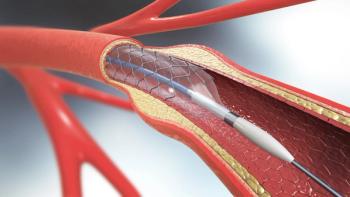
In patients with ST-segment elevation myocardial infarction, lowering low-density lipoprotein cholesterol to optimal levels prevented neoatherosclerosis, a complication following stent implantation.

Lerodalcibep, a new PCSK9 inhibitor, offers a convenient monthly injection to effectively lower LDL cholesterol in patients with hypercholesterolemia.
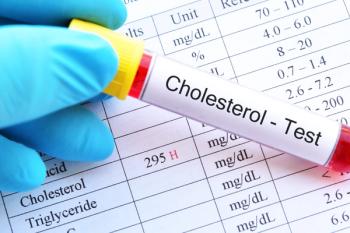
New research reveals that low cholesterol levels may indicate increased severity in Crohn disease, offering a potential new biomarker for monitoring inflammation.

Implementing a best practice advisory into physicians’ electronic health records improved lipid therapy initiation and diagnoses of hyperlipidemia and hypercholesterolemia.

A more significant association with cardiovascular disease (CVD) was observed among individuals with diabetes compared with those without.
Advertisement
Advertisement
Trending on Pharmacy Times
1
Kidney Week 2026: What to Know for Nephrology's Biggest Meeting
2
Flu Vaccination Linked to Fewer Severe Outcomes in Older Adults, Fewer ED Visits in Children
3
FDA Approves Awiqli, Once-Weekly Insulin, for Children Aged 10 Years and Older With T2D
4
Combined Cardiometabolic Biomarker Burden Tracks CKM Progression
5