

























































































The researchers familiarized mice with objects and gave them doses of melatonin and the 2 melabolites 1 hour later, followed by a test on their memory the next day.
The researchers familiarized mice with objects and gave them doses of melatonin and the 2 melabolites 1 hour later, followed by a test on their memory the next day.
The papers in the special issue highlight the research team’s focus on understanding the experiences of caregivers of persons with TBI and illustrate the team’s ability to efficiently capture those experiences through a tool known as TBI-CareQOL Measurement System.

Delirium was the sixth most common presenting symptom in all patients, suggesting the clinical importance of including delirium on checklists of presenting signs and symptoms for COVID-19.

A recently published meta-analysis by the UConn Institute for Collaboration on Health, Intervention, and Policy (InCHIP) is the first-ever to explore the use of yoga, meditation, and mindfulness-based interventions for the effective treatment of chronic concussion symptoms.

Using multiple languages may help to protect the brain against age-related cognitive decline.

A brain circuit that is critical for maintaining motivation may be responsible for a decline in learning as people age.

Maintaining brain health is especially important in the senior population, because once brain cells die, dementia typically follows.

Nursing home residents who are transferred to the emergency department potentially face long-term health consequences.

In addition to increasing physical power, physical training reduced participants’ body fat percentage and increased their oxygen-uptake efficiency.

A new study found a combination of physical activity and cognition-boosting tasks, such as reading a book, is the best way to preserve brain health.

Daily mindfulness contributed to less same-day sleepiness, and those with greater mindful attention were 66% less likely to experience symptoms of insomnia.
Some of these behaviors are not considered indicators of Alzheimer disease or other memory-impairing illnesses.

The new study reveals that consuming these beverages during the breastfeeding period may also lead to poorer cognitive development in children nearly 2 years later.

Children with a previous diabetes diagnosis showed lower performances compared with newly diagnosed children, suggesting that the deficits may worsen over time.

Take note of patients’ emotional states, family and social history, health challenges and conditions, and personality.

Study participants who had dietician sessions, an exercise physiologist session, and online brain training had higher cognition scores after 6 months.

Study results provide an opportunity for pharmacists to ensure their patients are on an appropriate dosage or to council on alternatives for older adults at risk of cognitive decline.

Iron deposits may be the cause of cognitive decline in those who have high alcohol consumption, which vitamin B1 may help prevent.

Mindfulness training may hold the key to reducing the risk of cardiovascular disease, which is rapidly becoming the leading cause of death worldwide.
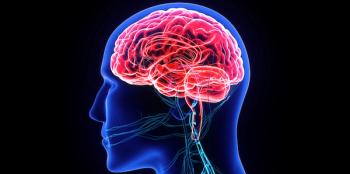
Necessary measures taken during the pandemic may exacerbate some underlying factors that can lead to decline.
Necessary measures taken during the pandemic may exacerbate some underlying factors that can lead to decline.

A study linked cognitive impariment to worse prognoses in a larger group of heart failure patients.

Adding a few practices to one’s daily routine can help to mitigate the effects from some of the challenges in daily life that can impair mental cognition.

As misconceptions surround some OTC supplements, changes to the diet may be beneficial in supporting brain health in populations experiencing age-related memory loss.
Study finds a link between lower cognitive functioning in baby boomers with less weatlh, along with higher levels of loneliness, depression, inactivity, and obesity.