






























The most important thing you must do is listen to the patient, understand their concerns, and by doing that, you will gain their trust to be able to treat them appropriately.
The most important thing you must do is listen to the patient, understand their concerns, and by doing that, you will gain their trust to be able to treat them appropriately.

Hawaii has a distinct culture, and the students said that has led them to have unique perspectives on culturally competent care.

Pharmacy managers should have recommendations for how staff pharmacists and even technicians will improve the education and mentoring of future pharmacists.

Students from the Daniel K. Inouye College of Pharmacy discuss their experience at the University of Hawaii.

Though around 42% of medical students in study experience headaches, many of these causing significant functional disability, most choose to self-manage symptoms with sleep and medication.
This month, we spoke with several interesting people in the pharmacy field, including the author of a children's book and hosts of a new podcast.
Each year, the NCPA Annual Convention is able to showcase student business plans in a competition that correlates to a real life business plan.

A new case study found that depictions of diverse female scientists on social media inspired other women in STEM, but stereotypes of how women in STEM should look and dress persist in comments section.
This month, we tackled how to find and utilize a mentor both as a pharmacy student and after graduation.

After noticing that there were few, if any, children’s books on the subject, Katrina Zearley wrote and published I Think When I Am Older I Might Be a Pharmacist!

Andrea Iannucci, PharmD, BCOP, member of the Board of Directors of the Hematology/Oncology Pharmacy Association (HOPA), discusses some common challenges hematology oncology pharmacists face in the field during their pursuit of professional growth and development.
We spoke with Carlie Traylor, PharmD, of the National Community Pharmacy Association to learn about a fellowship program offered by NCPA and CPESN
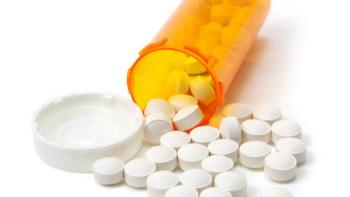
The Opioid and Naloxone program at North Dakota State University School of Pharmacy aims to make a difference.
Suzanne Soliman, PharmD, BCMAS, discussed student and pharmacy associations with guest Helen Sairany, PharmD, MBA, BCACP.

In light of the growing numbers of students opting for post-graduate trainings, colleges and schools of pharmacy may want to consider offering electives geared toward exposing students to post-graduate career possibilities and provide guidance toward success.

Managers can mitigate transition-related stress in new pharmacists by encouraging mentoring from senior staff.
A new APPE rotation at the Xavier University of Louisiana College of Pharmacy allows students to explore the pharmaceutical supply chain and their role within it.

To maximize this challenging experience, pharmacy students should be eager to learn and inquisitive.
Students are being exposed to new patient experiences through collaboration with practitioners.

Students in the ISU/UAA pharmacy program discuss the impact of Alaska’s first pharmacy program and what it means to learn about and work in rural communities.

Imposter syndrome is a phenomenon that affects self-confidence, significantly limiting the effectiveness of professionals affected by it.

In 2019, an article in the Journal of the American College of Clinical Pharmacy encouraged pharmacists to engage professionally on social media, despite their having mostly avoided it for such purposes.
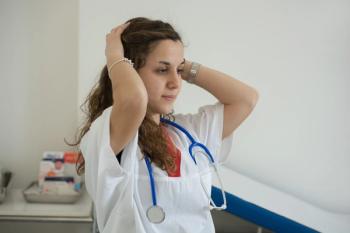
Owning your time and scheduling self check-ins can help students avoid burnout.
In addition, YouTube can supplement and inform students’ academic experiences.

Although COVID-19 paused our original plans, we were ultimately able to reach more people than we ever could have via in-person presentations alone.