

At 1- and 2-year follow-up points, ruxolitinib led to considerable improvements in survival in patients with myelofibrosis who develop graft-versus-host disease (GVHD).
At 1- and 2-year follow-up points, ruxolitinib led to considerable improvements in survival in patients with myelofibrosis who develop graft-versus-host disease (GVHD).
Elevidys offers significantly higher dystrophin production than existing Duchenne muscular dystrophy treatments but requires intensive monitoring for adverse events.

Following allogeneic hematopoietic stem cell transplantation (allo-HSCT), luspatercept effectively improved signs of anemia in patients with a variety of hematologic conditions.

The FDA is issuing new changes to labels on testosterone products, clarifying that there are no increases in major cardiac events among men with hypogonadism but noting an increase in blood pressure with the use of such products.

The action follows pooled data from 2 studies that enrolled patients with hemophagocytic lymphohistiocytosis (HLH)/macrophage activation syndrome (MAS) in Still disease.

Obinutuzumab is effective in reducing proteinuria and preserving kidney function in lupus nephritis, with consistent benefits across high-disease activity subgroups.

Pharmacists are integral to setting patient expectations, monitoring liver health, and ensuring adherence to long-term follow-up for optimal outcomes with etranacogene dezaparvovec.

In this episode, Jill Simonian and Codi Peterson explore the evolving role of pharmacists in medical cannabis, addressing legal complexities, patient counseling, and key considerations for safe and effective use.

Although tenofovir amibufenamide and tenofovir disoproxil fumarate (TDF) had similar effects, the former resulted in better renal safety and did not impact lipid levels.

Intravenous immunoglobulin therapy for patients with CIDP requires navigating insurance coverage and prolonged therapy.

Although more research is needed in pediatric patients, biosimilars could improve treatment access and reduce costs.

Etranacogene dezaparvovec offers a long-term, cost-effective solution for hemophilia B by providing sustained factor IX expression but requires careful patient selection and post-infusion liver monitoring.

Plasma therapy can involve burdensome procedures and infusions for patients, but pharmacists can use their expertise to make the process easier and more convenient.

The new data demonstrates the effectiveness of Mim8 in children with hemophilia A regardless of inhibitor status, expanding the populations in which the novel drug in development could have a treatment benefit.

Improvements in baseline for markers of hemolysis (indirect bilirubin, lactate dehydrogenase, and haptoglobin) were observed only in the mitapivat arm.

Identifying and managing IVIG-related side effects early on in treatment can improve efficacy and safety for patients with CIDP.

Prescribing and dosing appropriate treatments for patients with sickle cell disease while managing episodes of acute pain are some of the integral roles of pharmacists.

Future research can explore the underlying cause of recurrent pericarditis with systemic Sjögren syndrome and the combination of rilonacept with immunosuppressive therapies.

Steven Pipe, MD, explains the long-term efficacy data surrounding etranacogene dezaparvovec in patients with hemophilia B.

Amlenetug could provide a treatment option for patients with multiple system atrophy, a progressive and rare condition that causes damage to the brain’s nerve cells.

A one-time infusion of etranacogene dezaparvovec-drlb led to sustained bleeding control and a reduction in factor IX prophylaxis in patients with hemophilia B.

Pharmacists can help educate patients, identify adverse events, and help patients communicate with other health care professionals or drug companies.

Through frequent interactions, pharmacists can discuss patients' treatment satisfaction, adherence issues, or potential adverse events.

The approval is based on positive clinical trial results that indicated deep and durable reductions in plexiform neurofibroma.

Richard Lewis discusses the critical role pharmacists and health care providers play in ensuring safe administration of IVIG for patients with CIDP.
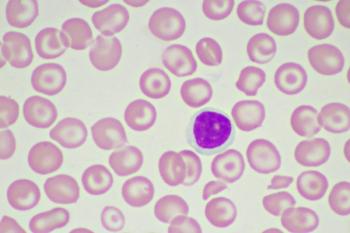
Thalassemia, a chronic blood condition that reduces hemoglobin levels, requires a hands-on approach from pharmacists in patient monitoring and diagnosis.

Pharmacists should educate patients on abelacimab's potential therapeutic impact on atrial fibrillation patients at risk of stroke.

These findings can lay the foundation for the development of machine learning models in chronic kidney disease (CKD) and kidney failure.

Compared with other treatments for myasthenia gravis, nipocalimab demonstrated more significant improvements in disability scores, with tolerable safety.

The designation builds on previous regulatory action for ADI-001 and allows for expedited development of the treatment for systemic lupus erythematosus.