

Effective management of immune checkpoint inhibitor-related toxicities requires early intervention, evolving guideline adherence, and multidisciplinary collaboration, with steroids remaining a key treatment.
Effective management of immune checkpoint inhibitor-related toxicities requires early intervention, evolving guideline adherence, and multidisciplinary collaboration, with steroids remaining a key treatment.

The risk of developing HZ in this population is 10 to 30 times higher than in the general population.
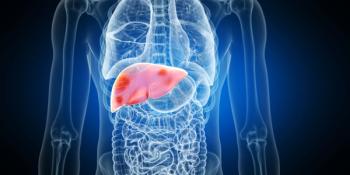
Currently, BEAM-302 is undergoing a phase 1/2 clinical trial to evaluate its efficacy in patients with alpha-1 antitrypsin deficiency (AATD) who have lung disease and liver disease.

Approval of fitusiran, a small interfering RNA drug, was found effective in patients with hemophilia regardless of inhibitor status.

In certain patients with chronic kidney disease (CKD), peritoneal dialysis maintained hemodynamic stability, optimal nutritional status, reduced hospitalization, and lowered diuretics reliance.

The approval fills a treatment gap for patients with this rare disease, which can severely diminish quality of life.

As the COVID-19 pandemic moves into an endemic phase, the major impacts on drug research, collaboration, and use of new technologies due to the spread of the virus warrant recognition.

Pharmacists can promote prevention through the implementation of antimicrobial stewardship initiatives and advocate for fecal microbiota transplant.

The innovative neonatal cardiac progenitor cell therapy is designed to repair heart tissue in patients with heart failure with preserved ejection fraction (HFpEF).

Specialty distribution models, including limited drug distribution systems, ensure safe medication access but can create barriers for patients, making medically integrated pharmacies essential in coordinating care.
The study aims to address lingering public concerns, but its findings and communication have the potential to impact vaccine confidence and public health efforts.

The new indication for guselkumab in Crohn disease builds off a previous approval in ulcerative colitis, providing patients a treatment option for the major forms of inflammatory bowel disease.
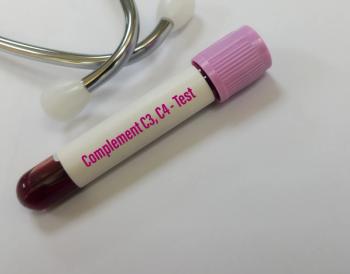
The agent is the only approved therapy designed to address the underlying mechanisms of the disease.

Exidavnemab is a novel monoclonal antibody with disease-modifying potential.

Results highlight promising advancements in novel treatments for patients with HIV-1, including a combination regimen with broadly neutralizing antibodies and long-term data on bictegravir, emtricitabine, and tenofovir alafenamide (Biktarvy).

Patients with a disorder from this family of neurodevelopmental conditions face a lack of approved treatment options, making radiprodil poised to transform the treatment paradigm.

As indicated by prior literature, a second dose of intravenous immunoglobulin (IVIG) in patients with Guillain-Barré syndrome increases serum immunoglobulin G levels without improving clinical outcomes.

Although dietary changes have historically been a key approach to managing eosinophilic esophagitis, their limitations highlight the need for pharmacologic treatments.
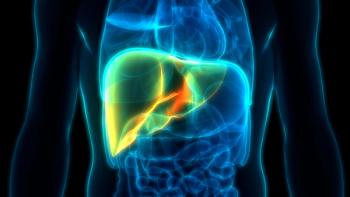
DC646 had a strong safety profile, targeted intestinal FXR, and disrupted FXR-co-activator interactions in metabolic dysfunction-associated steatohepatitis (MASH).

Matthew Zirwas, MD, addresses the significant financial burden associated with the medication, emphasizing the importance of pharmacists in navigating prior authorizations and access patient support programs.

Some of these approaches for chronic kidney disease (CKD) include cystatin C, SGLT2 inhibitors, point-of-care testing in remote areas, and acid-lowering medications.

Pharmacists are crucial in Elevidys administration, ensuring accurate dosing, coordinating treatment timing, and managing adverse effects to optimize patient outcomes.

Eculizumab, a humanized monoclonal antibody, was first approved for adults with generalized myasthenia gravis in 2017.
Patients may have concerns about the boxed warning and other potential adverse effects associated with topical ruxolitinib for atopic dermatitis and vitiligo.


Icotrokinra, an oral pill that blocks the IL-23 receptor, had a favorable safety profile in adults and adolescents 12 years and older with moderate-to-severe plaque psoriasis.

Currently, EN001 is undergoing evaluation in a phase 1b trial.

The novel formulation of trametinib has the potential to change the treatment paradigm of human papillomavirus (HPV) and prevent infections before they progress to deadly cancers.

The treatment's expanded indication for chronic kidney disease (CKD) is expected to be available by April 2025.
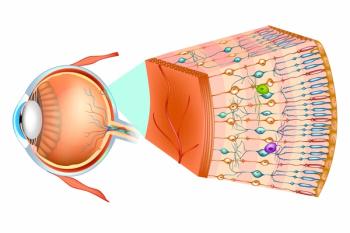
With the new designation, OpCT-001 can receive expedited investigations into its potential to improve vision function in patients with primary photoreceptor diseases.