The new normal
Five years ago, the spread of COVID-19 was considered widespread enough to be declared a global pandemic, marking the official onset of a health care crisis that has since claimed more than 7 million lives with an impact that continues to resonate today. Initial containment efforts for the evasive and evolving SARS-CoV-2 virus required unprecedented collaboration between nations, health care agencies, and industry innovators. This pandemic has become a pivotal moment in history, not only for its impact on human lives, but for fundamentally transforming modern drug discovery approaches.1,2
The “new normal”—an expression so often heard in the throes of the crisis—now necessitates deeper collaboration and strategic use of data, automation, and artificial intelligence (AI) to deliver rapid innovation. Agility, flexibility, and collaboration were paramount to the world’s pandemic response, and these key tenets remain essential to both driving progress against other hard-to-treat diseases and preparing for future public health emergencies.
What specifically has changed in the realm of drug discovery?
Principles of Post-Pandemic Research and Development (R&D)
COVID-19 disrupted traditional R&D paradigms, compelling research teams to become more agile, flexible, and collaborative. Saving lives meant shattering traditional timelines, sharing data for the greater good, and leveraging established knowledge to rapidly deliver breakthroughs.
AI-Aided Research and Development
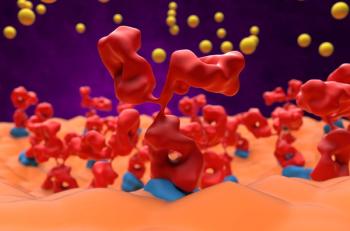
Building upon established knowledge and leveraging advanced technologies, particularly AI, were key to quickly delivering COVID-19 breakthroughs. For example, AI-based protein modeling helped researchers quickly identify treatment targets, and machine learning was used to accelerate clinical trial data analysis.3,4
Following the emergency phase of the COVID-19 pandemic, innovators are increasingly looking for ways to strategically integrate AI into their R&D workflows in order to reduce timelines and manage costs across the board. Today, AI applications include modeling proteins and molecular interactions, optimizing new drug candidates, and guiding drug repurposing initiatives.
Adaptive Accelerated Trials
Departing from conventional clinical trial design proved essential when evaluating urgently needed vaccine candidates throughout the pandemic. Accelerated trial phases and adaptive designs with interim analyses enabled researchers to quickly identify effective interventions. In this new stage of the pandemic, adaptive trial design software has gained recognition as an innovative and effective tool for designing clinical trials, particularly for therapeutics targeting complex conditions such as cancer, Ebola, Alzheimer disease, and other challenging medical conditions.5,6
Non-Traditional Modalities
Researchers embraced nontraditional vaccine development, pursuing mRNA vaccines by leveraging existing mRNA platforms. The rapid vaccine turnaround comes on the coattails of platforms that were developed over the course of 20 years. The distinctive value of these platforms lies in their flexibility and adaptability. Researchers were able to build off decades of work on mRNA vaccines and quickly adapt solutions for COVID-19.7
This success has stimulated broader interest in mRNA vaccine applications, such as for personalized immunotherapy, as well other alternative vaccine platforms, such as those based on adenovirus-vectors and DNA monoclonal antibodies, which aim to serve as flexible immunization options for conditions such as influenza, Ebola, HIV, malaria, and more.8