

Omidubicel-onlv therapy aims to quicken the recovery of neutrophils and reduce the risk of infection in patients with cancer.
Omidubicel-onlv therapy aims to quicken the recovery of neutrophils and reduce the risk of infection in patients with cancer.
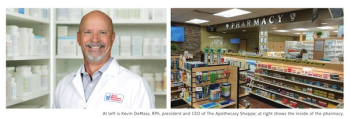
The Apothecary Shoppe in Utah knows patients by name, garners new business via word of mouth.

Although payers have become somewhat accustomed to the high cost of specialty drugs, the price tags for gene therapies are causing “sticker shock.”

These study results are the first to demonstrate randomized evidence that a personalized neoantigen approach could be beneficial for patients with cancer.

These data support using this combination therapy as a new first-line treatment option in patients with previously untreated metastatic or unresectable BTC.

Based on the study results, investigators concluded that there is justification for a randomized clinical trial.

The Aquilino Cancer Center established the Bill Richards Center for Healing inside the same building, so patients with cancer can receive psychedelic-assisted therapy in the same location as their cancer care.

Establish procedures, including training employees, to address shortages, back-order situations.

Remote services allow unrivaled opportunities for outreach to vulnerable populations and those in rural areas.

Pharmacy professionals can bring in the right people at the right time to identify needed changes and develop an action plan.

During the 12-month trial period, Hyqvia was shown to be efficacious treating the occurrence of acute serious bacterial infections in children aged 2 through 16 years with primary immunodeficiency.

The FDA’s temporary Guidance for 503A compounding of shortage drugs was meant to be temporary and withdrawn once COVID-19 ended.

Individuals treated with the drugs from AstraZeneca demonstrate clinically meaningful and statistically significant improvement.
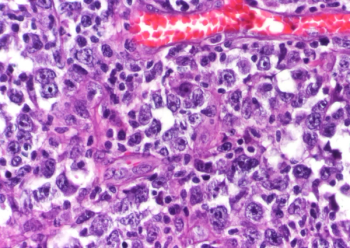
Accelerated approvals for ibrutinib (Imbruvica) for patients with mantle cell lymphoma and with marginal zone lymphoma voluntarily withdrawn based on data that were insufficient to support conversion to full approval.

Pharmacists are cited as one of the most stressed professions and a creative habit can help to improve focus, enhance productivity, and reduce stress.
Enfortumab vedotin-ejfv (Padcev, Astellas Pharma and Seagen Inc) with pembrolizumab (Keytruda, Merck) approved for the treatment of patients with locally advanced or metastatic urothelial carcinoma who are ineligible for cisplatin-containing chemotherapy.

Additionally, study results show a clinically meaningful overall survival trend in the overall population among individuals with primary advanced or recurrent disease.

Investigators suggest that funding mechanisms and interpersonal support systems are unsustainable for long-term care.
This method has proven economically appealing, but further confirmation of these findings is needed, according to investigators.

Clinical trial findings show that olaparib, given in the neoadjuvant setting, was feasible with 100% of participants able to receive the planned 2 cycles.

The data underscore the need for biomarker testing to identify patients who may be eligible for this therapy, according to physician from Memorial Sloan Kettering Cancer Center.

The drug from AstraZeneca and Ionis Pharmaceuticals demonstrates a sustained benefit through 66 weeks for those with hereditary transthyretin-mediated amyloid polyneuropathy.

Studies show that patients who are introduced to patient support programs through digital platforms are more likely to use support services.

Follow Pharmacy Times®’ live coverage of the Hematology/Oncology Pharmacy Association (HOPA) Annual Conference in Phoenix, Arizona from March 29 to April 1, 2023.

Given the promising results, the company is advancing Rinvoq to a phase 3 clinical trial for the autoimmune disorder.

Remote work has been a growing trend across many different areas of pharmacy.
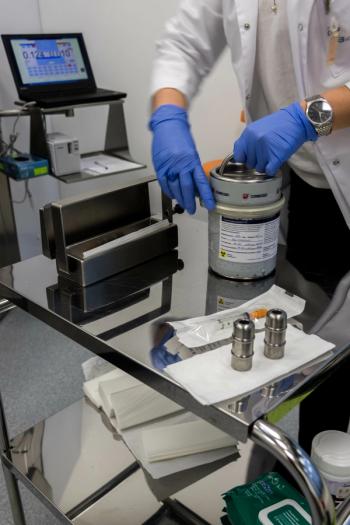
Akram Hussein, PharmD, MBA, BCNP, discusses the treatment process when treating a patient with prostate cancer with a radiopharmaceutical.

The portfolio of oral oncology products has evolved over the past few years and so has the traditional model of distribution.

Trastuzumab deruxtecan was approved by the FDA for HER2-low breast cancer treatment in 2022 and could also benefit some patients with hormone receptor-positive or triple-negative disease.

Trofinetide is the first and only drug approved for the treatment of Rett syndrome.