

When treating vasomotor symptoms (VMS), 15- and 20-mg doses of estetrol (E4) did not significantly hinder postmenopausal women’s blood pressure, including those with cardiovascular risks.
When treating vasomotor symptoms (VMS), 15- and 20-mg doses of estetrol (E4) did not significantly hinder postmenopausal women’s blood pressure, including those with cardiovascular risks.

Chronic graft-vs-host disease (cGVHD) is the leading cause of late, non-relapse mortality for patients who have undergone an allogeneic hematopoietic stem cell transplant. Axatilimab, which has durable responses and an attractive safety profile, offers a novel mechanism of action for the treatment for patients who have not succeeded with at least 2 prior lines of systemic therapy.

A digital therapeutic app enhances access to behavioral cough suppression therapy.

Community pharmacists are especially valuable amid lower interest and staff shortages.

Infectious disease experts provide the latest updates in RSV, pneumococcal disease, whooping cough, and multidrug-resistant tuberculosis.

New research reveals how menopausal hormone therapy impacts cognitive health in postmenopausal women, highlighting the importance of administration routes and estrogen types.

Overdoses remain alarmingly high despite new tools like OTC Naloxone, highlighting persistent barriers to care.

Experts outline innovative approaches to reduce inequities in diagnostic access and optimize patient outcomes.

James Chalmers, MBChB, PhD, discusses the ASPEN trial's findings on brensocatib's impact on lung structure and function in bronchiectasis patients.

Megan Dulohery Scrodin, MD, discusses COPD management challenges and the need for accessible care and cost reduction.

From embedded PrEP care to rapid outbreak response logistics, new models are showing how pharmacists can establish successful public health partnerships to enhance patient access and equity.

Elinzanetant was effective in women with low vasomotor symptom (VMS) burden and those with endocrine therapy-caused VMS.


Compared with late postmenopausal women, menopausal hormone therapy (MHT) may influence certain Alzheimer disease-related biomarkers in early postmenopausal women.

Discover effective solutions for dry eyes, contact lens care, allergy relief, and conjunctivitis treatment in these insightful case studies.

Sara Assaf, MD, shares insights on selecting biologic therapies for severe asthma, including biomarkers, patient factors, and managing nonresponders effectively.

The FDA's approval of GLP-1 for obstructive sleep apnea enhances treatment options, emphasizing pharmacists' vital role in patient care and management.

Increasing vaccine confidence demands that pharmacists move beyond simply sharing facts to utilizing effective communication strategies.

The FDA approves obinutuzumab (Gazyva; Genentech) for lupus nephritis, offering a new treatment option with improved renal outcomes for patients.

Samantha Picking, PharmD, outlines how Walgreens enhances immunization access through digital innovation, patient engagement, and ongoing pharmacist training.

Pharmacists play a vital role in managing respiratory virus season by providing vaccinations, counseling, and recommending effective treatments for patients.
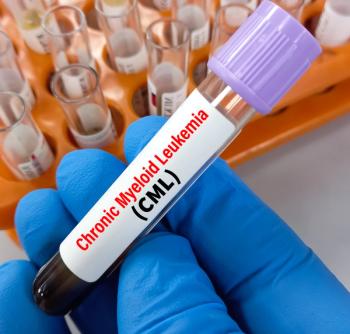
Novel mechanism offers hope for improved tolerability and efficacy in patients facing resistance or long-term toxicity with existing TKIs.

Pranav Garimella, MBBS, MPH, emphasizes that pharmacists are essential partners in managing chronic kidney disease, ensuring safe medication use, adherence, and coordinated care alongside physicians.

An index of total cholesterol, high-density lipoprotein (HDL), and fasting glucose levels was found to indicate the prevalence of type 2 diabetes in a nationally representative US cohort.

Revised recommendations include new thresholds for initiating antihypertensive therapy using the PREVENT equation.

Glofitamab-GemOx improves survival in transplant-ineligible patients with R/R DLBCL.

The mean time intervals between injection and complete retinal vascularization were similar between the biosimilar and its reference product.
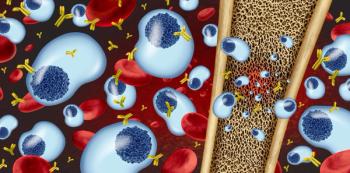

Three targeted inhibitors offer new strategies for HR-positive, HER2-negative breast cancer with PIK3CA mutations.
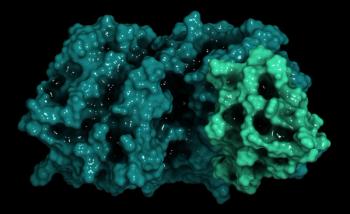
Individuals without a previous heart attack or stroke demonstrated significant cardiovascular risk reduction when treated with evolocumab.