

Pharmacists enhance patient care by managing CDK4/6 inhibitors, addressing adverse effects and ensuring effective therapy selection in oncology.
Pharmacists enhance patient care by managing CDK4/6 inhibitors, addressing adverse effects and ensuring effective therapy selection in oncology.

The authors wrote that patients with CKD who are younger than 60 years may be at a greater risk of depression.

Using the United States Vaccine Adverse Event Reporting System database, investigators found that pneumococcal vaccination led to predominantly nonserious adverse events.

Recent studies reveal that simvastatin does not enhance escitalopram's effects in treating depression, despite improving metabolic health in obese patients.

Pharmacists learn to recognize and combat burnout through self-awareness, open dialogue, and supportive workplace strategies for lasting well-being.

Pharmacists enhance food safety by identifying foodborne illness symptoms, especially as FoodNet narrows its focus on E coli and Salmonella.


New intravenous formulation GTx-104 shows promise in improving brain health outcomes for patients with aSAH, offering safer treatment options for pharmacists.


Real-world data from nearly 1.5 million administrations of intranasal esketamine (Spravato) show that its safety profile—including risks of sedation, blood pressure changes, and dissociation—remains consistent with clinical trial findings.
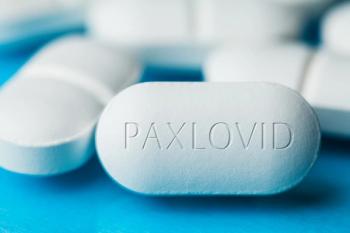
New research raises questions regarding the efficacy of nirmatrelvir-ritonavir in preventing long COVID, with limited protection found among older adults and high-risk individuals.
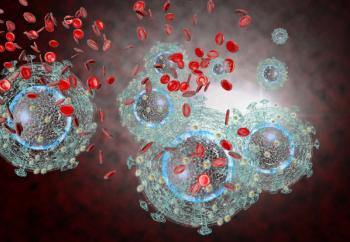
Pneumococcal 21-valent conjugate vaccine (PCV21) was found to be immunogenic and safe in individuals living with HIV, providing significant indications of efficacy in immunocompromised patients.
Pharmacists contribute across direct patient care and education, adherence, and facilitating access.

Pharmacists are central to patient education, adherence monitoring, and collaboration within multidisciplinary teams.
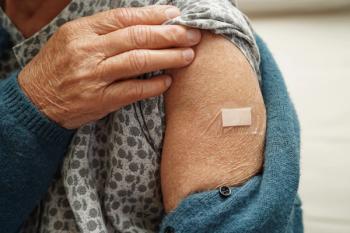
Older adults face heightened risks from RSV due to declining immunity and chronic conditions, making vaccination crucial for prevention and health.

Explore the impact of CDK4/6 inhibitors in HR+/HER2– breast cancer treatment and the essential role of oncology pharmacy practice.

However, experts say that a causal relationship between acetaminophen and autism has not been established.

New clinical trial results reveal that giredestrant combined with everolimus significantly enhances progression-free survival in patients with advanced ER-positive breast cancer.
Host Craig Beavers discusses the validity of meta-analyses and highlights analyses from European Society of Cardiology (ESC) 2025 with Bill Baker, PharmD, FCCP, FACC, FAHA.
Individualized interventions, medication reconciliation, and postdischarge follow-up help reduce errors and elevate care continuity.

Explore the evolving landscape of biological medicine, focusing on quality standards and innovations in cell and gene therapies for chronic diseases.

Careful selection of pharmacotherapy and close monitoring are crucial to ensuring safety and efficacy.

Pharmacists are key to closing care gaps and supporting long-term recovery.

Fast-melt tablets may help improve adherence by offering patients a convenient alternative to traditional pills, especially for those experiencing pill fatigue or managing multiple medications.

The Advisory Committee on Immunization Practices (ACIP) voted to recommend that COVID-19 vaccines be administered through individual-based decision-making.

Discover effective strategies for managing eczema, dry skin, sun protection, and acne with expert recommendations for OTC treatments.

Expert highlights how taste-masking, dose, and particle size influence patient adherence and the clinical performance of fast-dissolving delivery systems.

A multicenter registry analysis reveals that high-risk cardiovascular patients often miss opportunities to receive pneumococcal and influenza vaccinations, showcasing gaps that could be filled by pharmacists.

The BMJ study highlights that young children vaccinated against influenza in October experience the greatest protection, with lower infection rates than those vaccinated earlier.
Members of the Advisory Committee on Immunization Practices (ACIP) voted to restrict the combined measles, mumps, rubella, and varicella (MMRV) vaccine and hepatitis B vaccine for certain age groups.