

The new at-home test aims to increase comfort and screening timeliness through a more accessible method.
The new at-home test aims to increase comfort and screening timeliness through a more accessible method.

The most substantial reduction was achieved 2 to 3 years after vaccination with a sustained protective effect lasting up to 8 years.
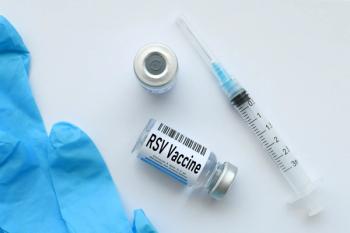
A recent study highlights the promising immune response and safety of the Arexvy vaccine in lung transplant recipients, crucial for preventing RSV infections.

These findings demonstrate an association that is independent of the disease’s genetic predisposition.

Plozasiran shows promise in reducing cholesterol and triglyceride levels in patients with mixed hyperlipidemia and other harmful conditions, addressing significant cardiovascular risks.

Student pharmacists can work toward a better future for patients, themselves, and the profession.

The fixed-dose combination yielded a 49% greater reduction in low density lipoprotein cholesterol (LDL-C) compared with placebo.

New research reveals that B vitamins and choline may slow glaucoma progression, offering hope for innovative treatments beyond traditional methods.

The Ensuring Community Access to Pharmacist Services (ECAPS) Act would enhance Medicare coverage for pharmacist services and ensure seniors can access essential care in underserved areas.

These results build off prior studies which demonstrated effectiveness of Bergen 4-day treatment (B4DT) in patients with panic disorders.

Dracey Poore explores the future of biosimilars, emphasizing the need for increased adoption.
Specialty pharmacy experts discuss how emotional support, addressing patient loneliness, and peer-to-patient programs can significantly improve medication adherence and patient care.
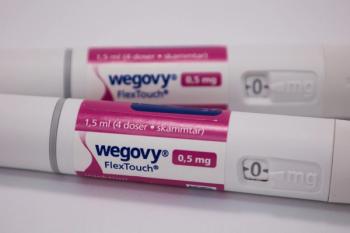
Adherence to GLP-1 receptor agonists showed a 59% drop in inpatient hospital costs.
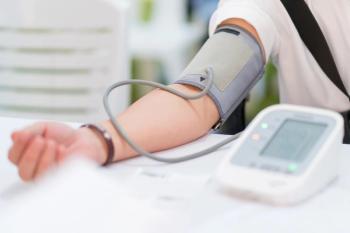
The 12.5-mg dose tablet enhances hypertension treatment options and reduces adverse effects for patients.

UPMC enhances care for patients with heart failure through integrated pharmacy and cardiology team collaboration.

AI transforms pharmacy practice by streamlining workflows and enhancing patient care, while pharmacists adapt to new roles and challenges in health care.
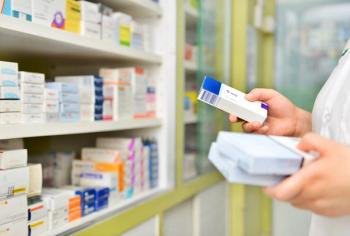
The time frame concept is an underappreciated through line in most planning efforts.

Experts emphasized the importance of addressing regulatory and payer-side challenges to fully leverage AI's potential in pharmacy settings.

Digital pharmacy solutions are revolutionizing patient care.

A rehabilitation method commonly used in patients who experience a traumatic brain injury was found to improve symptoms of long COVID, including brain fog and measures of daily living.

This screening method can help empower patients to better manage their health and seek additional care.
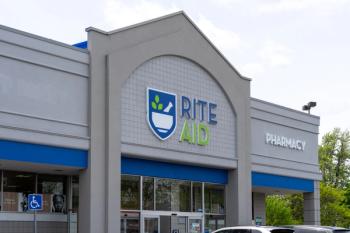
An insider expressed skepticism about the company’s future, indicating that Rite Aid may be looking to close up shop entirely.

A recent study reveals a significant number of patients with psychiatric histories experience emergency visits after starting glucagon-like peptide-1 (GLP-1) medications, raising safety concerns.

Jennifer Guthrie, RPh, district leader at CVS pharmacy describes the different medications to treat allergy symptoms and highlight how CVS stands out when addressing patients’ needs.

Cardinal Health is investing in cold chain logistics and packaging solutions to expedite the delivery of novel therapies from FDA approval to patient access.

New trials reveal xanomeline and trospium effectively alleviate schizophrenia symptoms, offering a novel treatment option with minimal adverse effects.
Reductions of approximately 32% were observed during the study.