

The new guidelines urge health care professionals to offer local anesthetics and other medications for intrauterine device (IUD) insertions and other gynecologic procedures.
The new guidelines urge health care professionals to offer local anesthetics and other medications for intrauterine device (IUD) insertions and other gynecologic procedures.

Omalizumab expands its role in allergy management, now FDA-approved for food allergies, showcasing potential for broader applications in allergic rhinitis.

A new study reveals that heart failure patients with implantable devices are more likely to receive the pneumococcal conjugate vaccine 13, impacting vaccination rates and mortality.

Pharmacy staff can be instrumental members of shortage management teams.

Cure Rare Disease's CRD-002 receives FDA orphan drug designation, advancing hope for SCA3 treatment with innovative oligonucleotide therapy.

The approved injection contains dihydroergotamine (DHE), which is the same medication used in hospitals, in a ready-to-use device.

Explore the latest advancements in RSV vaccination strategies for newborns, focusing on maternal immunization and post-birth protection options.

Logan Schneider, MD, highlights the importance of integrating patient-reported outcomes into clinical trials to better capture the full therapeutic impact of low-sodium oxybate (Xywav) beyond traditional sleep metrics.
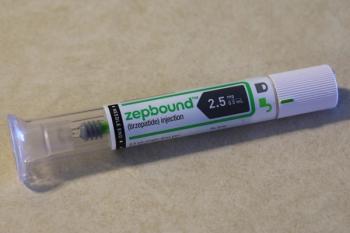
The announcement came shortly before updated results from the SURMOUNT-5 clinical trial, which found Zepbound had superior weight-loss effects over Wegovy.

The seasonal surge in skin irritations underscores the ongoing need for effective and convenient remedies.
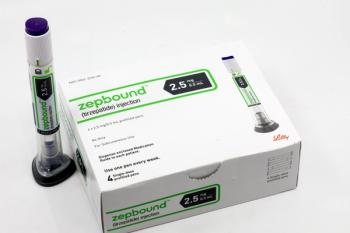
Tirzepatide outperforms semaglutide in weight loss, achieving an average reduction of 20.2% in a pivotal trial for obesity management.

Effectively communicating research findings to patients, health care professionals, and policy payers is necessary for engagement.


Like other high-risk groups, children with sickle cell disease have a heightened risk of invasive pneumococcal disease, even if they receive proper pneumococcal conjugate vaccine coverage.

This new generic will impact both oncology and community pharmacists.

Administration during peak vaccine effectiveness provides maximal protective benefit

FDA and CDC halt Ixchiq chikungunya vaccine for adults 60 years and older due to severe adverse events, including fatalities, urging caution in vaccination practices.

The executive order gives pharmaceutical companies 30 days to voluntarily lower prices.




A natural aging supplement enhances muscle strength and reduces biological age, promoting healthier aging.
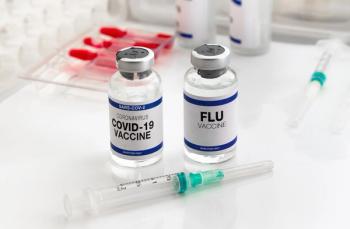
A new multicomponent vaccine, mRNA-1083, shows promise in enhancing immune responses against influenza and COVID-19, addressing vaccine hesitancy effectively.

Maternal cardiometabolic issues during pregnancy significantly elevate children's blood pressure, highlighting the need for preventive health measures.
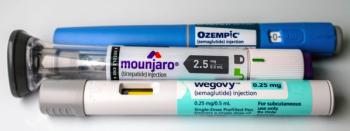
Pharmacists are positioned to significantly impact weight management by offering accessible expertise in medication, lifestyle guidance, and long-term support for healthier choices.

During a panel discussion, 3 experts highlighted ways health care professionals and researchers can help provide patient-centered care.

Emma Murter, PharmD, MPH, and Madison N. Irwin, PharmD, BCPS, discuss the potential role of low-dose naltrexone in managing chronic pain in palliative care, highlighting its anti-inflammatory properties, limited adverse effects, and current evidence gaps—particularly in comparison to traditional opioids and adjuvant analgesics.

While vaccine research and approvals continue to break new ground, use and faith in them are faltering.

PharmStart empowers pharmacy technicians to pursue their education with tuition-free prerequisites, addressing barriers to entering pharmacy school.

The study found that only 38% of nations have risk-based pneumococcal vaccine policies.