

Research reveals that adults who were hospitalized with RSV experience significant long-term health issues, impacting quality of life and physical function.
Research reveals that adults who were hospitalized with RSV experience significant long-term health issues, impacting quality of life and physical function.

Discover the latest FDA-approved treatments, including lumateperone for depression and elinzanetant for menopause symptoms, plus innovative health supplements.

Effective SCD pain management requires an integrated, multimodal strategy across outpatient and inpatient settings.

New research explores the gut-brain connection, suggesting that improving gut health may enhance mental well-being.

Pimavanserin offers a serotonin-targeted option for Parkinson disease psychosis that improves hallucinations and delusions with minimal impact on motor symptoms.

A promising multistage malaria vaccine shows potential for broader protection against the disease, highlighting the evolving role of pharmacists in vaccination efforts.

High levels of C-reactive protein in the blood and lower heart rate variability were linked to cardiovascular events in patients with depression, anxiety, or both.


Lowering blood glucose levels significantly reduces heart disease risks in prediabetes, offering new hope for prevention and management strategies.

The FDA's 2025 biosimilar approvals enhanced treatment options for chronic diseases, improving accessibility and affordability for patients and health care providers.

Continuous glucose monitoring (CGM) significantly reduces the risk of high birth weight in babies born to mothers with gestational diabetes.

Medication errors are major public health issues, disproportionately affecting populations such as children, Ooder adults, and those with limited health literacy.

FDA approves lumateperone as a new adjunct therapy for major depressive disorder, offering hope for those with persistent symptoms despite treatment.

Six months following pneumococcal vaccination, over 70% of patients lost their protective titers, suggesting the need for more optimal vaccination strategies.
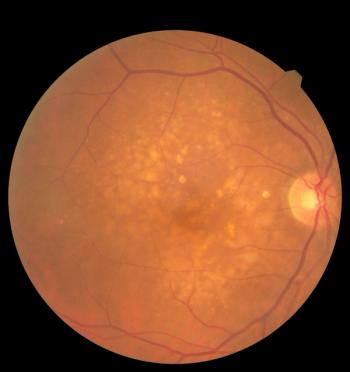
Nufymco, the FDA-approved ranibizumab biosimilar, enhances treatment options for retinal diseases, improving patient access and affordability.

Discover how AI-engineered nasal antiviral platforms revolutionize flu prevention, enhancing mucosal immunity and offering new treatment possibilities.

Sarah J. Billups, PharmD, highlights the disconnect between medication adherence metrics and actual patient outcomes, urging a reevaluation of adherence measures in health care.


Orforglipron shows promise in maintaining weight loss for individuals transitioning from injectable therapies, offering a convenient oral option for obesity management.

In patients with ST-segment elevation myocardial infarction, lowering low-density lipoprotein cholesterol to optimal levels prevented neoatherosclerosis, a complication following stent implantation.

The FDA approved the first oral GLP-1 pill for weight management, offering a convenient alternative for obesity treatment and enhancing patient access.

Prateek Bhatia discusses optimizing staffing and workflows in infusion centers to enhance patient care and reduce delays in treatment.

Tracking your net worth monthly can shift your financial mindset and build lasting wealth.

The FDA approves Accrufer for children 10 and older, offering a well-tolerated solution for iron deficiency, enhancing pediatric health outcomes.

IV compounding robotics and next-generation dispensing technology enhance pharmacy workflows, boost staff engagement, and improve patient care outcomes.


A series of workplace factors were found to increase the risk of long COVID, including close contact with colleagues and commuting through public transportation.

Vitamin D is vital for bone health and immune function, yet many Americans remain deficient.

Pharmacy technicians enhance patient safety and efficiency by mastering communication, situational awareness, and leadership skills.

The novel agent has demonstrated efficacy in symptomatic and less severe patients with obstructive hypertrophic cardiomyopathy in thorough phase 3 clinical trials.