

The FDA is modernizing its approach to drug development and optimization.
The FDA is modernizing its approach to drug development and optimization.
Memantine/donepezil and everolimus are used to treat dementia of the Alzheimer type and tuberous sclerosis complex-associated subependymal giant cell astrocytoma, respectively.

Stem cell transplantation rates increased the longer patients remained on therapy for myelofibrosis.
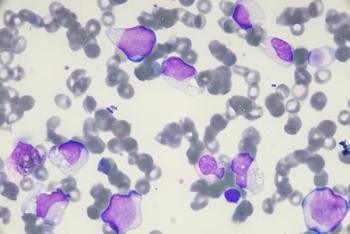
The FDA approved treosulfan, in combination with fludarabine, for patients 1 year of age and older with acute myeloid leukemia (AML) or myelodysplastic syndrome (MDS).

Vusolimogene oderparepvec in combination with nivolumab is being assessed to treat individuals with unresectable or metastatic stage IIIb-IV cutaneous melanoma.

A panel of experts discuss treatment of HR+, HER2– breast cancer with therapies such as ribociclib, alpelisib, everolimus, and elacestrant.

Black and Native American patients were about 2 to 3 times more likely to die of cancer compared with White patients, and women younger than 50 years were affected more than male patients.
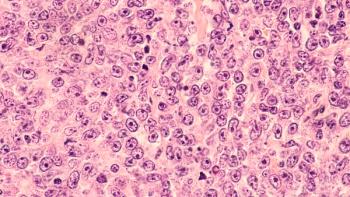
A phase 2 trial investigates MRD detection and therapy advancements.

At the start of 2025, 590 drug prices changed, with only 7 drugs seeing decreases in wholesale acquisition costs (WAC).

KN026 is a humanized bispecific antibody that targets and binds to HER2 proteins on the surface of cancer cells.
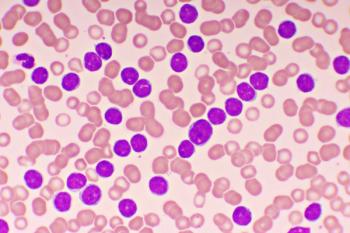
Investigators assessed fixed-duration venetoclax plus acalabrutinib with or without obinutuzumab vs chemoimmunotherapy.

The closure of Baxter’s North Cove facility has significantly impacted existing IV fluid shortages into 2025.

Experts presented results that may transform treatment and clinical practice strategies.
Presentations detail clinical trial results and drugs in the pipeline.

Palbociclib is an oral CDK4/6 inhibitor that was approved by the FDA in 2017.
The report from the Office of Inspector General highlights inconsistencies, lack of transparency, and the need for stronger safeguards.

Compared with chemotherapy, Dato-DXd demonstrates favorable median progression-free survival and overall survival in a phase 3 clinical trial.

The FDA proposes to cap the nicotine level at 0.7 mg per gram of tobacco in cigarettes and certain other combusted tobacco products.

The authors note that future research will observe personality changes when psilocybin is used in patients with opioid-use disorder.

These drugs are set to revolutionize their respective disease states in 2025.

Data from the CodeBreaK 300 trial supported the FDA's approval.

Acalabrutinib with bendamustine and rituximab shows efficacy in patients with untreated mantel cell lymphoma by increasing progression-free survival in the ECHO trial.

As per the Inflation Reduction Act, the negotiations with the drug companies of the 15 drugs will occur in 2025, with the negotiated prices going into effect in 2027.
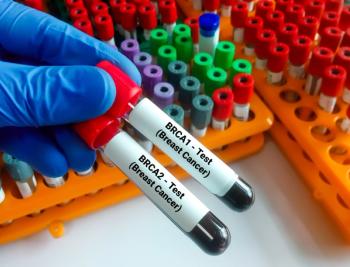
Hormonal contraceptives did not increase breast cancer risk in patients with BRCA2 mutations.

The combination yields promising results but was associated with high incidence of toxicity and infection.

However, investigators also find that the combination did not meet the primary end point of increasing progression free survival.


Judith Alberto, MHA, RPh, BCOP, director of clinical initiatives at Community Oncology Alliance, discusses key policy issues affecting community oncology pharmacists in 2025.

Studies shows that Red Dye No. 3 was associated with tumor growth in male rats.

Radon is a tasteless, odorless radioactive gas associated with DNA damage and high genomic tumor instability.