
The approval is based on positive clinical trial results that indicated deep and durable reductions in plexiform neurofibroma.
The approval is based on positive clinical trial results that indicated deep and durable reductions in plexiform neurofibroma.
Presence of leptomeningeal disease is associated with poorer treatment outcomes and quality of life for patients with breast cancer.



Circulating lactate is increased in patients with myelofibrosis and corresponds with the remodeling of lactate export channel monocarboxylate transporter 4, suggesting a link with fibrosis establishment.

If approved, HLX11 could offer a more cost-effective alternative to pertuzumab for the treatment of human epidermal growth factor receptor 2-positive breast cancer.
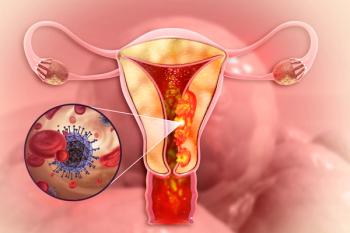
The indication is for patients with endometrial cancer who may benefit from treatment with ACR-368 (Acrivon Therapeutics).

J Ryan Shaw, PharmD, BCPS, BCOP, CPP, discusses the value of the ASTCT and CIBMTR Tandem Meeting 2025 as a platform for multidisciplinary collaboration, cutting-edge education, and advancing pharmacy practice in transplant and cellular therapy.

Zahra Mahmoudjafari, PharmD, BCOP, FHOPA, discusses the logistical challenges and interprofessional strategies essential for delivering cellular therapies in outpatient settings, emphasizing the pharmacist's role in improving patient outcomes and addressing health disparities.
The therapeutic vaccine could provide patients with a non-surgical alternative to traditional treatment approaches.

Molly Schiffer, PharmD, BCOP, discusses the logistical and operational challenges of delivering outpatient CAR T-cell therapy, emphasizing the benefits of outpatient treatment, including reduced costs, improved access to therapy, and better quality of life for patients.

Africa's unparalleled genetic diversity presents both a challenge and an opportunity to advance precision medicine, with a focus on leveraging pharmacogenetics to improve drug efficacy and reduce adverse reactions.

Catriona Jamieson, MD, PhD, discusses the role of stress-activated base editors like ADAR1p150 and APOBEC enzymes in cancer progression and highlights innovative approaches to halt these processes and improve therapeutic outcomes.

The quadruple treatment was active and safe as initial therapy for older patients with transplant-ineligible multiple myeloma.

γδ T cells are emerging as a transformative immunotherapy approach in oncology, offering unique mechanisms for targeting hematologic and solid tumors, with clinical trials demonstrating promising survival outcomes and durable immune responses.
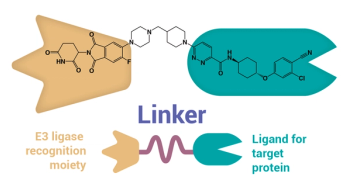
Proteolysis-targeting chimeras hold enormous potential, but also present significant challenges to drug developers.

Edward Kim, MD, MBA, discusses critical points of patient leakage in precision medicine, emphasizing the role of multidisciplinary teams in streamlining care, managing medications, and improving patient outcomes.

The Trop-2-tagreting antibody drug conjugate facilitated improved intracranial penetration with favorable tolerability.

Edward Kim, MD, MBA, highlights the challenges of patient disengagement, data fragmentation, and provider education in precision medicine, emphasizing the need for personalized approaches to enhance patient outcomes, particularly in oncology.

Encorafenib in combination with cetuximab and mFOLFOX6 met its dual primary end point of overall response rate of 61%.

The study results build on the “obesity paradox,” which suggests that patients with cancer and obesity have better outcomes.

Nivolumab plus ipilimumab demonstrated a 38% reduction in the risk of disease progression or death.

In the study, 50% of the deaths amongst patients were linked to central nervous system-related causes.

Overall, there is no long-term increased risk of developing thyroid cancer after initiating treatment with a glucagon-like peptide-1 (GLP-1) receptor agonist, although there is a short-term increase.

World Cancer Day, observed annually on February 4th, is a global initiative aimed at raising awareness, reducing stigma, and promoting equitable access to cancer care, with pharmacy professionals playing a vital role in prevention, treatment, and support for patients and communities.

Topical, targeted drug delivery increases drug concentrations at the desired site while also reducing toxicity and unwanted adverse effects.

Sara Rogers, PharmD, discusses the value of the Precision Medicine World Conference 2025 for pharmacy professionals, highlighting key sessions and opportunities aimed to advance precision medicine and pharmacogenomic (PGx) practices.

Naga Vara Kishore Pillarsetty, PhD, discusses advancements in radiopharmaceuticals for cancer therapy, noting common supply chain challenges, radiation safety measures, and patient misconceptions with the use of these drugs.
Judith Alberto, MHA, RPh, BCOP, discusses the COA 2025 Community Oncology Conference, emphasizing its focus on transparency in oncology and the role of data in supporting pharmacists' contributions to patient care.
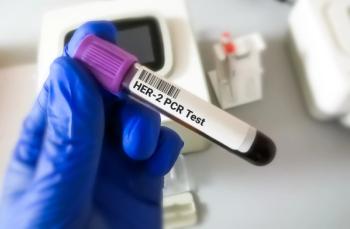
The diagnostic identifies patients who may be eligible for treatment with fam-trastuzumab-deruxtecan-nxki (Enhertu; Daiichi-Sankyo, AstraZeneca).