

Continuing education supports pharmacy technician career advancement, retention, and skill development.
Continuing education supports pharmacy technician career advancement, retention, and skill development.

The meaningful results were reported in the DESTINY-Breast09 trial.

Delayed pegaspargase reduces hepatotoxicity without affecting outcomes.

Real-world data support momelotinib as an effective and well-tolerated treatment for myelofibrosis-related anemia.

The 2025 SPPCP Virtual Conference on Tuesday, May 20, 2025, will offer pharmacists and clinicians a full day of CE-accredited sessions on complex pain management, opioid use disorder, mentorship, and innovative approaches in palliative care, with opportunities for networking and professional development.

Sequencing of antibody-drug conjugates (ADCs) in HER2-mutated breast cancer is crucial for optimizing treatment outcomes.
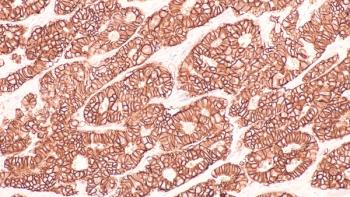
Antibody-drug conjugates have revolutionized metastatic breast cancer treatment and classification.
Undetectable minimal residual disease rates improved with ongoing therapy.

The data showed improvements in overall response rates, progression-free survival, and duration of response.

Medically integrated pharmacies improve collaboration, patient care, communication, and therapy management.

Iman Ahmed, PharmD, BCOP, shared key insights about how social determinants of health impact treatment access and outcomes for patients with leukemia.

Zahra Mahmoudjafari, PharmD, BCOP, FHOPA, shared insight from the HOPA Annual Meeting 2025.

Arefa Bacchus, PharmD, shared key insights about the use of POMP therapy in patients with acute lymphoblastic leukemia (ALL).

Peer Reviewed
A palliative care pharmacist highlights a spectrum of clinical opportunities for patients, caregivers, and clinicians when rounding at the bedside.

Monica Sawiris, PharmD, said there were noticeable differences in toxicities between each regimen.

Erin Lexner, PharmD, BCPS, discussed her team’s experience transitioning to outpatient BEAM from inpatient CBV.

Peer Reviewed
The high acceptance rates of these interventions demonstrate the key role in optimizing patient care that clinical oncology pharmacists with access to medical records play.
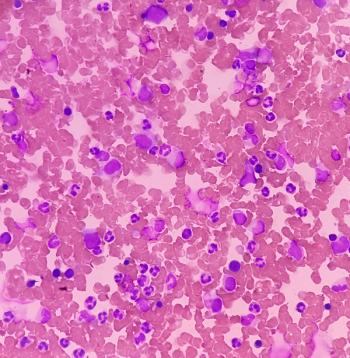
Current treatment strategies are aimed at reducing hematocrit and symptom burden through phlebotomy, aspirin, and cytoreductive agents, while emerging therapies offer promise for better disease control and quality of life.

Imlunestrant is an investigational, brain-penetrating, oral selective degrader of estrogen receptor.
Pharmacists share key insights about the use of ADCs for treatment of breast cancer.

There are no clearly defined, widely accepted clinical pharmacist metrics.

Christine Barrett, PharmD, BCOP, shares insights, challenges, and advice for oncology pharmacists navigating neoadjuvant therapy.

Scott A. Soefje, PharmD, MBA, BCOP, explained how the expanding use of the FDA’s 505(b)(2) drug approval pathway is creating operational and reimbursement challenges for oncology infusion centers.

Jessica Davis, PharmD, BCOP highlights the role of pharmacy technicians in ambulatory oncology clinic settings.
Patients with unresectable or metastatic hepatocellular carcinoma (HCC) receiving this regimen had favorable median overall survival (23.7 months) compared with standard of care (20.6 months).

In business, growth for the sake of growth mirrors the ideology of the cancer cell.

This approval marks bevacizumab-nwgd as the sixth reference product to bevacizumab (Avastin).

Metrics should empower pharmacists rather than burden them.


Lauren Dietz, PharmD, highlighted the role of oncology pharmacists in guiding prophylaxis decisions to optimize transplant outcomes.