
Explore innovative supplemental screening options for breast cancer, enhancing access and accuracy for women with dense breasts and inconclusive mammograms.
Explore innovative supplemental screening options for breast cancer, enhancing access and accuracy for women with dense breasts and inconclusive mammograms.
Discover how innovative imaging detection methods, including MRI and proteomics, enhance breast cancer screening and support pharmacists in patient care.

Exploratory analysis shows 1 in 4 patients maintain a long-term response to ribociclib.
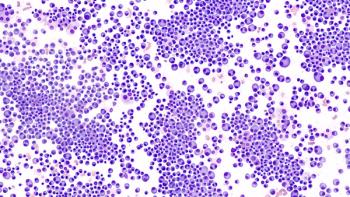
Teclistamab combined with daratumumab and hyaluronidase shows significant efficacy in relapsed multiple myeloma, potentially redefining treatment standards.

Explore the advancements and challenges of allogeneic CAR T-cell therapies, including immune rejection and innovative engineering strategies for cancer treatment.


Multidisciplinary approaches are crucial in treating complex cancer patients, focusing on tailored therapies and symptom management strategies.
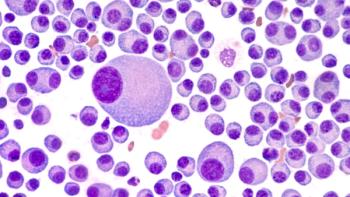
Pharmacists play a crucial role in optimizing CAR-T therapy outcomes by guiding bridging therapy decisions and enhancing patient safety through proactive collaboration.

New research reveals that effective bridging therapy before cilta-cel infusion significantly enhances safety and long-term outcomes in patients with multiple myeloma.
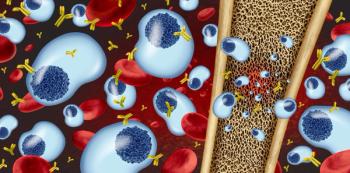
In an analysis of the intention-to-treat population of the BENEFIT study, investigators demonstrated improved sustained minimal residual disease negativity with the Isa-VRd regimen in newly diagnosed multiple myeloma (NDMM).
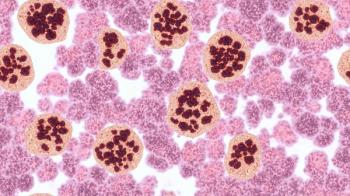
Experts at the ASH Annual Meeting and Exposition in Orlando, Florida, explored innovative strategies and treatments for improving outcomes in diffuse large B-cell lymphoma.

Project Optimus transforms cancer treatment by optimizing dosing strategies, enhancing efficacy, and reducing toxicities in modern therapies.

The American Cancer Society updates cervical cancer screening guidelines, introducing self-collection options and new exit criteria to enhance accessibility and compliance.

The American Society of Hematology (ASH) Annual Meeting and Exposition will feature the latest news, clinical trial updates, and key opinion leaders in the hematology field.

Although highly efficacious, patient selection and adverse event management are crucial.

Discover how the combination of palbociclib, trastuzumab, and endocrine therapy enhances survival in HER2-positive advanced breast cancer patients.


Breyanzi becomes the first FDA-approved CAR-T therapy for relapsed marginal zone lymphoma, offering hope with impressive response rates and durable outcomes.

MRD and ctDNA testing could revolutionize monitoring and diagnosing precursor diseases of multiple myeloma.
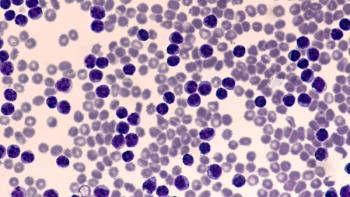
Pirtobrutinib’s indication was expanded for patients with chronic lymphocytic leukemia or small lymphocytic lymphoma, allowing for treatment in earlier lines of therapy.

Pharmacists can help close the lung cancer screening gap by identifying high-risk tobacco users, increasing awareness, and connecting eligible patients to lifesaving early detection.


A cohort study of over 6 million US veterans revealed a 76% increased risk of pancreatic cancer following chronic hepatitis C infection.
The blood test helps patients avoid unnecessary and invasive biopsies.
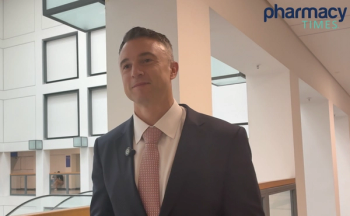
Sam Klempner, MD, discusses early findings for the bispecific T-cell engager ASP2138, including monotherapy response, combination activity, and safety enhancements through subcutaneous dosing.

Long-term follow-up data showed that about 50% of patients achieved the trial's primary end point.

New research uncovers diverse tumor subgroups in triple-negative breast cancer, paving the way for personalized treatment strategies and improved patient outcomes.