

Oral chemotherapies can be effective treatments for children with low-grade gliomas, although clinicians should consider available formulations and administration schedules.
Oral chemotherapies can be effective treatments for children with low-grade gliomas, although clinicians should consider available formulations and administration schedules.
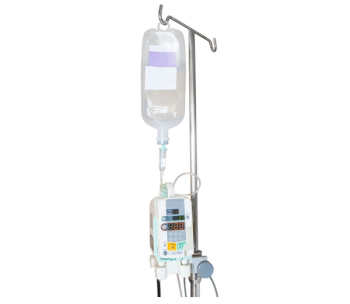
Home infusion within the larger ambulatory infusion setting poses some specific advantages and disadvantages in relation to the other location options available.
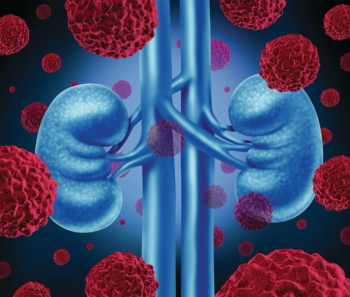
In each trial, overall response rate and median progression-free survival in the novel treatment arm showed significant improvement over the sunitinib treatment arm in patients with renal cell carcinoma.

Lakesha M. Butler, PharmD, BCPS, diversity and inclusion coordinator and clinical professor at Southern Illinois University Edwardsville, discussed causes of health inequity and how pharmacists can prevent and mitigate them to improve patient outcomes.
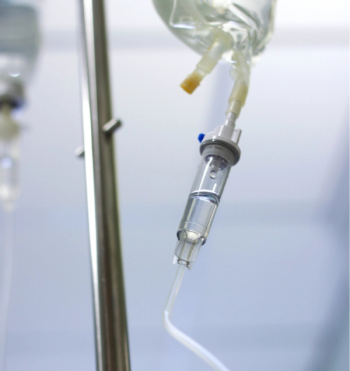
A drug recycling program can help increase patient access and minimize waste of expensive oral cancer medications.
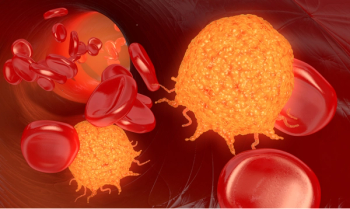
Promising investigational oncology drugs include oral taxanes, small molecule drugs, and immunotherapies.
Common factors that contributed to reported increased dissatisfaction at work include role conflict, quantity of work, workflow disruptions, organizational culture, and leadership support.
Even while therapeutically anticoagulated, patients with cancer have risk factors for recurring venous thromboembolism and bleeding, according to a session at the Hematology/Oncology Pharmacy Association 2021 Virtual Annual Conference.
Sacituzumab govitecan (Trodelvy) approved for patients with locally advanced or metastatic urothelial cancer who previously received a platinum-containing chemotherapy and either a PD-1 or PD-L1 inhibitor.
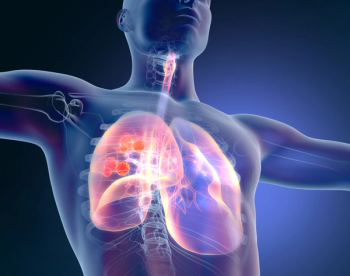
A session at the Hematology/Oncology Pharmacy Association Virtual Annual Conference provided an overview of how treatment options are changing with potential new therapies in development for patients with non-small cell lung cancer.
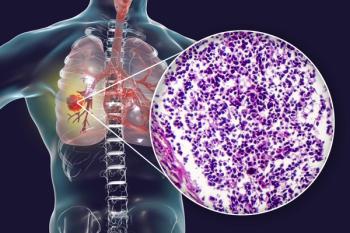
Because each of these methods targets 1 of 2 subtypes of tumor cell, both methods must be utilized simultaneously in order to kill the majority of the tumor mass, according to the study.
The Association of Community Cancer Centers (ACCC) Oncology Pharmacy Education Network (OPEN) provides resources that are pharmacist driven and developed.
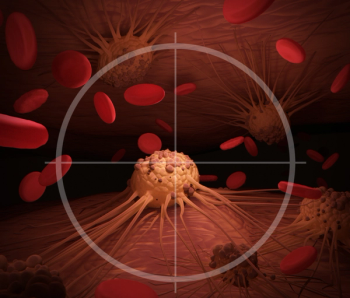
During the initial CAR T-cell therapy period, the total cost of care ranged from $350,000 to more than $2 million.
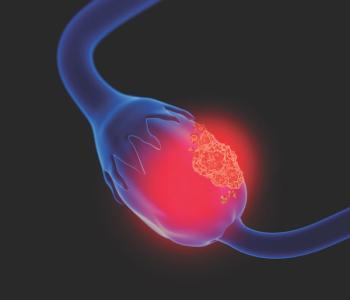
The safety profile was consistent with the profiles associated with each drug as a monotherapy, with no clinically significant drug-drug interactions observed with the combination.

Pharmacists may provide nutritional counseling regarding dietary adjustments or recommendations for over-the-counter supplements to assist patient with cancer.

A presentation at the Community Oncology Alliance 2021 Virtual Conference focused on the latest developments in gastrointestinal oncology and how the field of gastroesophageal cancer is responding to 3 major, practice-changing trials.

For the future of precision medicine, many health care providers hope to see a flood of new therapies for biomarker testing to be approved in the next few months.
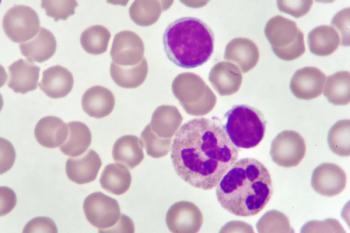
In a presentation at the Community Oncology Alliance 2021 Virtual Conference, Jeff Sharman, MD, summarized the most important developments in care for CLL.

A survey shows that 13% of respondents started or increased substance use to cope with pandemic-related stress or emotions.

Over the past 18 months, the FDA has approved 4 new regimens for HER2-positive metastatic disease.

The data were presented for the first time at the virtual 2021 American Association for Cancer Research (AACR) Annual Meeting, April 10-15, 2021.

The researchers found that patients who reduced their calorie intake by 10% or more and adopted a moderate exercise program immediately after their diagnosis had, on average, 70% less chance of having lingering leukemia cells after a month of chemotherapy than those not on the diet-and-exercise regimen.
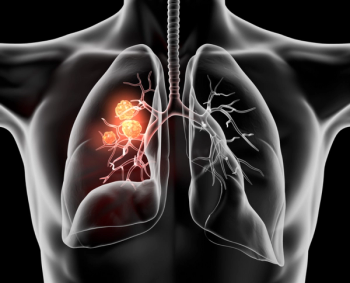
In the United States, non–small cell lung cancer accounts for 80% to 85% of all lung cancers, with most patients initially diagnosed with advanced or metastatic disease.

The first step toward operationalizing the uptake of biosimilars is having a program-level discussion that not only describes what biosimilars are, but also assesses how they impact the bottom line and could get incorporated into treatment plans.

For patients with no previous PARP treatment and multiple prior lines of therapy, PARPs may be an appropriate choice.

The discovery points to a novel treatment target for shrinking brain tumors that arise secondary to breast cancer, according to the study authors.
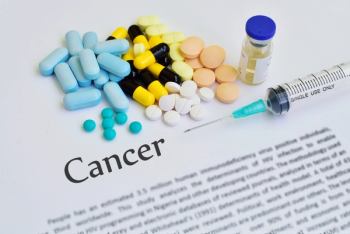
Opdivo-based combinations show benefit for patients with esophageal cancer who are often diagnosed after their disease has spread and would benefit from new therapeutic options.
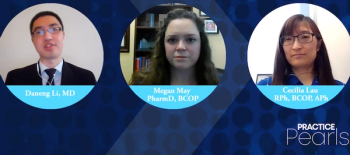
Megan May, PharmD, BCOP, Cecilia Lau, RPh, BCOP, APh, and Daneng Li, MD, share their thoughts on unmet needs in the management of neuroendocrine tumors.

A session at the Community Oncology Alliance virtual 2021 conference noted that clinical trials have found promising new treatments for patients with breast cancer, offering opportunities for future new approvals and indications.
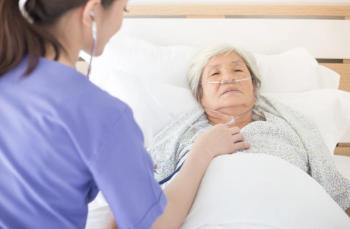
In patients who received early palliative care, researchers noted a lower percentage of patients with depression, improved quality of life, and, significantly, longer survival.